We Compared 6 Poultry Wound Sprays on Egg Withdrawal
We compared six poultry wound sprays on the specification most buyers skip, the egg withdrawal statement, because the wound is on a hen whose eggs you eat.

By Sam Reddick Lead gear reviewer, Chicken Geek
Fact checked by Marta Voss
Published Prices and stock checked 7 min read
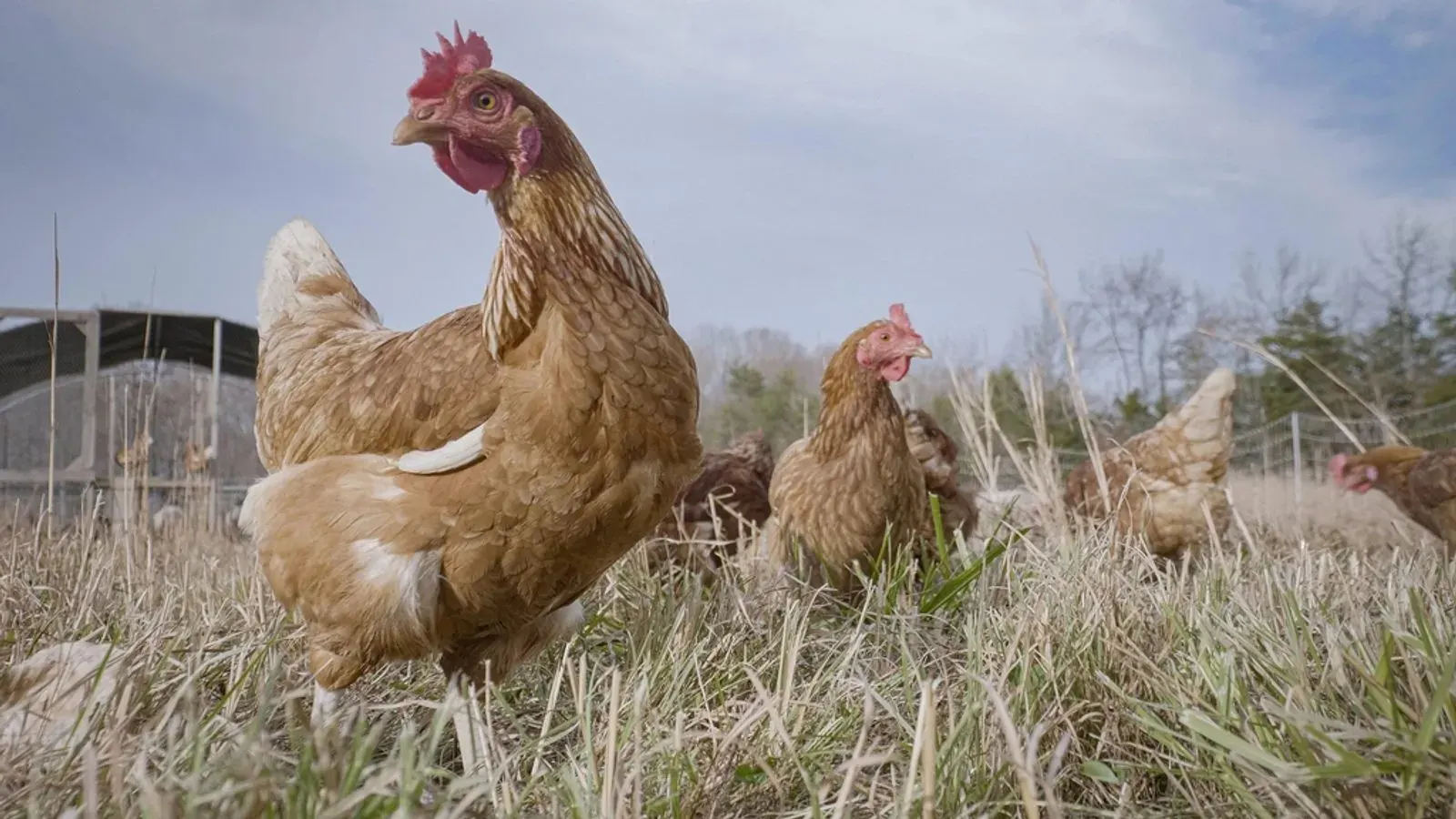
Most people arrive here after a hen has been pecked raw, caught herself on wire, or come off worse in a scuffle. The usual search is for Blu-Kote, because that is the name people know.
Almost every buying guide sorts these bottles by the list of wounds on the label. That is the wrong first question. The wound is on a bird whose eggs go in your kitchen, so the specification that matters is what the product says about egg withdrawal, and only two of these six say anything at all. Vetericyn Plus Poultry states no egg withdrawal period. Reroaoi states no withdrawal period and no effect on eggs or meat. The other four are silent on it, including the $28.47 PetSilver, which is the most expensive bottle here.
One thing to be clear about before you spend anything. These are topical antiseptic washes and dressings. They clean a surface and cover it. They are not antibiotics, they do not draw out an infection, and a hard cored bumblefoot, a swollen hock or a deep flank wound is a job for a vet, not a bottle.
Our picks at a glance
Every product below wins one specific situation. Pick the row that matches your flock, your yard and your budget rather than reading top to bottom.
-
Best Overall

Vetericyn Plus Poultry
A laying flock where eggs go straight to the kitchen and you want a single bottle that covers most backyard injuries.
-
Best Budget

Reroaoi Wound Spray
A keeper who wants a named active ingredient and a clear statement about eggs without paying the price of the premium bottles here.
-
Best for a First Coop First Aid Kit

Chicken's Choice 8 oz
A first time keeper stocking a coop first aid kit who wants one poultry labelled bottle and no extra steps to learn.
-
Best for a Bird You Cannot Catch

PetSilver 12 oz
A flighty or half wild bird who cannot be caught without a chase that does more harm than the wound itself.
Check price on Amazon for PetSilver Chicken Wound Spray, Silver Spray for Wounds, USA Made, 12 fl oz on AmazonAbout $28.47 checked Aug 8, 2026
-
Best for Certified Organic Egg Sellers

Flock First Organic
A keeper selling certified organic eggs who needs every input on the birds to carry an organic credential.
-
Best Two Applicator Set for a Mixed Livestock Barn
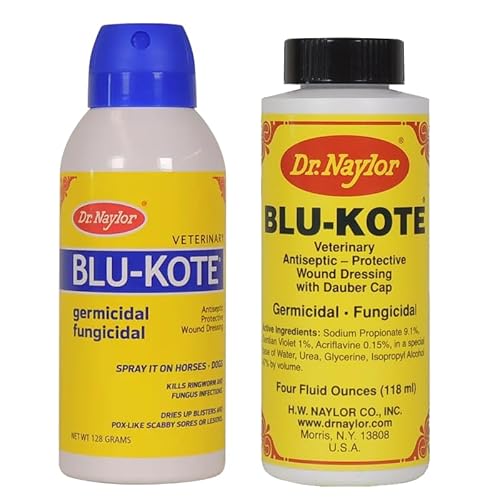
Blu-Kote Aerosol Set
A mixed livestock barn where the same wound dressing has to serve horses, goats or cattle as well as the chickens.
Compare every pick side by side
Swipe the table sideways to see every column on a phone.
| Product | Award | Price band | Bottle Size | Active Ingredient | Egg Withdrawal | Staining | Applicator | Labelled Uses | Best use case | Buy link |
|---|---|---|---|---|---|---|---|---|---|---|
| Vetericyn Plus Poultry | Best Overall | Under $30 | 8 oz | Not stated, listing says antibiotic free and non-toxic | Listing states no egg withdrawal period | Listing states non-dyeing and non-irritating | Spray, listing says use a few times daily | Pecking sores, flank wounds, breast blisters, vent prolapse, frost bite, bumblefoot | A laying flock where eggs go straight to the kitchen and you want a singl… | Check price for Vetericyn Plus Poultry Care Spray | Healing Aid and Skin Repair for Chicken Wounds, Pecking Injuries, Bumblefoot, Vent Prolapses, and More. 8 ounces on Amazon |
| Reroaoi Wound Spray | Best Budget | Under $30 | 300 ml | Hypochlorous acid (HOCl) | Listing states no withdrawal period, no effect on eggs or meat | Listing states no sticky residue, no strong odour, does not stain feathers | Spray on and air dry, no rinse and no handling of the bird | Cuts, stabs, abrasions and foot abscesses | A keeper who wants a named active ingredient and a clear statement about… | Check price for Reroaoi Chicken Wound Spray, Poultry Wound Wash, No Rinse, No Contact, for Cuts,Stabs,Abrasions and Foot Abscesses, Safe for All Animals, 300ml on Amazon |
| Chicken's Choice 8 oz | Best for a First Coop First Aid Kit | Under $30 | 8 fl oz | Proprietary ProH technology, low pH and antibiotic free, ingredients not stated | Not stated, listing only says peck and lick safe when used as directed | Listing states no staining and no strong odours | Ready to use spray, no rinsing and no bandages needed | Bumblefoot, vent prolapse, pecking sores, burns and skin irritations | A first time keeper stocking a coop first aid kit who wants one poultry l… | Check price for Chicken's Choice Wound Care for Chickens & Birds. Advanced Wound Care Spray for Poultry. Works for Bumblefoot, Vent Prolapse, Pecking Sore, Burns & Skin Irritations. 8 oz Ready to Use Spray on Amazon |
| PetSilver 12 oz | Best for a Bird You Cannot Catch | Under $30 | 12 fl oz | Chelated silver and distilled water, nothing else listed | Not stated, listing only says it is safe for birds to peck and lick during and after application | Not stated | Spray or stream setting, listing says it can be applied from up to 6 ft away | Pecking sores, bumblefoot, cuts, burns and skin irritations, including head, beak, feet and wings | A flighty or half wild bird who cannot be caught without a chase that doe… | Check price for PetSilver Chicken Wound Spray, Silver Spray for Wounds, USA Made, 12 fl oz on Amazon |
| Flock First Organic | Best for Certified Organic Egg Sellers | Under $30 | 8 oz | Not stated, listing says USDA Certified Organic and natural | Not stated | Not stated | Spray bottle, listing says it will not burn or sting | Cuts, scrapes, pecking wounds, sores, minor burns and bumblefoot; title also claims frostbite and scaly leg mites, which the bullets do not repeat | A keeper selling certified organic eggs who needs every input on the bird… | Check price for Eaton Pet and Pasture Flock First USDA Organic Chicken Wound Spray – Natural Poultry First Aid for Bumblefoot, Pecking Wounds, Cuts, Frostbite & Scaly Leg Mites, Vet Recommended, 8 oz on Amazon |
| Blu-Kote Aerosol Set | Best Two Applicator Set for a Mixed Livestock Barn | Under $30 | 128 g aerosol can plus a 4 oz dauber bottle | Not stated, listing describes a germ killing fungicidal antiseptic formula | Not stated | Not stated | Aerosol spray can plus a separate dauber bottle, title says fast drying | Open cuts, wounds and lesions on animals; no poultry-specific uses listed | A mixed livestock barn where the same wound dressing has to serve horses,… | Check price for Dr. Naylor Blu-Kote Aerosol (128 Gram) and Dauber (4 oz.) - Fast Drying Antiseptic Wound Dressing Pack of 2 on Amazon |
The full reviews
Each review below follows the same order: what it is, why it won its category, how it behaves in real use, and who should buy something else.
1 Best Overall
Vetericyn Plus Poultry Care Spray | Healing Aid and Skin Repair for Chicken Wounds, Pecking Injuries, Bumblefoot, Vent Prolapses, and More. 8 ounces
The only bottle here that pairs a stated no egg withdrawal period with the longest poultry specific use list, from pecking sores and flank wounds through vent prolapse, frost bite and bumblefoot.
What we liked
- States no egg withdrawal period, which is the specification most listings in this category ignore
- Names the widest poultry specific use list here, including vent prolapse and frost bite
- Stated non-dyeing and non-irritating, so it leaves no colour on feathers or hands
- Listed as antibiotic free and non-toxic, which matters on a bird that will preen the treated area
What we did not
- Names no active ingredient at all, so you cannot look up what is doing the work
- Asks for a few applications daily, which means catching and holding the same hen several times a day
- At $23.99 for 8 oz it works out around $3.00 an ounce, well above the $1.77 an ounce of the Reroaoi bottle
- Non-dyeing means nothing hides the red wound, so flockmates keep pecking unless the bird is penned
Key specifications
- Dimensions
- 2.2047244072 x 2.2047244072 x 6.4960629855 in (L x W x H)
- Weight
- 0.6 pounds
- Colour
- Multicolored
- Kit Type
- Wound spray
- Contents
- 8 oz hypochlorous wound spray
- Egg Safe
- Yes, no withdrawal stated
- Use Case
- Cuts, pecking wounds, bumblefoot aftercare
- Shelf Life
- About 2 years unopened
- Bottle Size
- 8 oz
- Active Ingredient
- Not stated, listing says antibiotic free and non-toxic
- Egg Withdrawal
- Listing states no egg withdrawal period
- Staining
- Listing states non-dyeing and non-irritating
- Applicator
- Spray, listing says use a few times daily
- Labelled Uses
- Pecking sores, flank wounds, breast blisters, vent prolapse, frost bite, bumblefoot
Why Vetericyn Plus Poultry wins this category
Because it answers the question the category is actually about. Your patient is a laying hen and her eggs go in your kitchen, and this listing states plainly that there is no egg withdrawal period. Four of the six bottles on this page say nothing about eggs at all, including the $28.47 PetSilver, which is the most expensive one here.
The label range is the second reason. Pecking sores, flank wounds, breast blisters, vent prolapse, frost bite and bumblefoot is the longest poultry specific list here, which means one bottle in the cupboard covers most of what a backyard flock throws at you rather than two or three.
Living with Vetericyn Plus Poultry
It is a trigger spray, so the usual rules apply. Part the feathers, hold them back, clean off dried blood and dirt with plain warm water first, then get the spray onto skin rather than onto a feathered back where it will run off.
The stated non-dyeing and non-irritating properties are worth having on a bird that will immediately preen the area. Nothing transfers to your hands, and nothing marks the feathers.
Where Vetericyn Plus Poultry falls short
It names no active ingredient. The listing says antibiotic free and non-toxic, which describes what is not in the bottle rather than what is. The $17.99 Reroaoi bottle names hypochlorous acid outright, so disclosure at this price is a fair thing to expect and it is not here.
The application schedule is the practical cost. A few applications daily means catching the same hen, holding her, parting feathers and spraying, several times a day for as long as the wound takes. That is stressful for a bird already carrying an injury and it is more handling than a once daily product would need.
Then the pecking problem. Non-dyeing is a benefit for your hands and a drawback in the run, because the wound stays exactly as red and as interesting to the rest of the flock after treatment as before it. Plan on penning the bird within sight of the others until the skin closes.
Price is the last consideration. At $23.99 for 8 oz this works out around $3.00 an ounce, and the $17.99 Reroaoi gives you 300 ml for less money while stating the same thing about eggs.
Research based, not hands-on
Assessed on the stated egg withdrawal position, the labelled poultry uses, the stated application frequency, the non-dyeing claim and the price per ounce against the other five bottles in this guide.
- Best for
- A laying flock where eggs go straight to the kitchen and you want a single bottle that covers most backyard injuries.
- Skip it if
- You want to know exactly what you are applying, because this listing describes the product without naming an active ingredient.
- The limitation to plan around
- It is a topical antiseptic dressing, not a medicine. It cleans and covers a wound surface and it will not resolve a hard cored bumblefoot, a swollen hock or a deep puncture, all of which need a vet.
2 Best Budget
Reroaoi Chicken Wound Spray, Poultry Wound Wash, No Rinse, No Contact, for Cuts,Stabs,Abrasions and Foot Abscesses, Safe for All Animals, 300ml
The cheapest bottle in this guide at $17.99, and the only one under $20 that names its active ingredient, hypochlorous acid, while also stating no withdrawal period for eggs or meat.
What we liked
- Cheapest bottle in this guide at $17.99, and 300 ml is more volume than the 8 oz options
- Names hypochlorous acid as the active ingredient, which you can go and read about
- States no withdrawal period and no effect on eggs or meat, one of only two here to address it
- Spray on and air dry with no rinsing, so the bird spends less time held
What we did not
- Labelled uses are narrow, covering cuts, stabs, abrasions and foot abscesses and nothing beyond that
- Hypochlorous acid solutions lose potency once opened and with light exposure, so an old bottle is weaker than a new one
- The no contact claim still needs feathers parted, or the spray lands on plumage and runs off
- Clear with no residue means nothing masks the red wound from the rest of the flock
Key specifications
- Dimensions
- 2 x 1 x 2 in (L x W x H)
- Colour
- clear
- Bottle Size
- 300 ml
- Active Ingredient
- Hypochlorous acid (HOCl)
- Egg Withdrawal
- Listing states no withdrawal period, no effect on eggs or meat
- Staining
- Listing states no sticky residue, no strong odour, does not stain feathers
- Applicator
- Spray on and air dry, no rinse and no handling of the bird
- Labelled Uses
- Cuts, stabs, abrasions and foot abscesses
Why the Reroaoi Wound Spray is the budget pick
Because being cheap here does not mean telling you less. This is the lowest priced bottle on the page at $17.99, and it is the only one under $20 that names what is in it. Hypochlorous acid is a documented topical wound cleansing agent used in human and veterinary care, so you can look it up rather than take a marketing phrase on trust.
It also states the thing this category exists to answer. No withdrawal period, no effect on eggs or meat. The $28.47 PetSilver and the $24.99 Flock First state neither of those things.
Living with the Reroaoi Wound Spray
Three hundred millilitres is more liquid than the 8 oz bottles here, which matters if you are treating a wound daily for a week or dealing with more than one bird.
Application is meant to be simple: spray on, let it air dry, no rinsing. The listing describes it as no contact, which is a fair description of what happens after the spray lands and not of getting it there. You still need the feathers parted and the wound clean before you spray.
Where the Reroaoi Wound Spray falls short
The label is narrow. Cuts, stabs, abrasions and foot abscesses is the whole list. If your problem is a vent prolapse, a breast blister or frost bitten combs, this label does not cover it and the Vetericyn one does.
Hypochlorous acid also has a shelf life issue worth planning around. These solutions are known to lose potency over time once opened and with exposure to light and air, so a bottle that has sat half used on a shelf for a year is not the product you bought. Buy the size you will use, keep it out of direct sun, and replace it rather than nursing an old bottle through a second season.
It is clear and leaves no residue, which is good for feathers and unhelpful in the run. Nothing about the wound looks different to the other hens afterwards, so a pecked bird still needs penning until the skin closes.
And the usual limit applies. This is an antiseptic wash, not an antibiotic. A foot abscess with a hard core, a swollen hock or a wound that smells needs a vet, not a second bottle.
Research based, not hands-on
Assessed on the named hypochlorous acid active, the stated no withdrawal position, the 300 ml volume against price, the labelled uses and the described no rinse application method.
- Best for
- A keeper who wants a named active ingredient and a clear statement about eggs without paying the price of the premium bottles here.
- Skip it if
- You want one bottle covering the widest range of poultry problems, because this label names only four kinds of wound.
- The limitation to plan around
- The labelled uses stop at cuts, stabs, abrasions and foot abscesses. Vent prolapse, frost bite and breast blisters are not on this label, so a broader problem needs a different bottle or a vet.
3 Best for a First Coop First Aid Kit
Chicken's Choice Wound Care for Chickens & Birds. Advanced Wound Care Spray for Poultry. Works for Bumblefoot, Vent Prolapse, Pecking Sore, Burns & Skin Irritations. 8 oz Ready to Use Spray
A ready to use 8 oz spray with a poultry specific label covering bumblefoot, vent prolapse, pecking sores and burns, and no bandaging or rinsing step for a keeper handling a first injury.
What we liked
- Ready to use with no dilution, no rinsing and no bandages, which suits a first time keeper
- Poultry specific label naming bumblefoot, vent prolapse, pecking sores, burns and skin irritations
- Stated as leaving no staining and no strong odours, so it is easy to use indoors on a held bird
- Listed as antibiotic free, which is worth knowing on a bird that preens the treated area
What we did not
- Ingredients are not stated at all, only a proprietary ProH technology and a low pH description
- Says nothing about egg withdrawal, only that it is peck and lick safe when used as directed
- At $19.90 for 8 oz it costs more per ounce than the larger Reroaoi bottle does
- Naming bumblefoot on the label can leave a new keeper treating a foot that needs a vet instead
Key specifications
- Dimensions
- 8 x 2 x 2 in (L x W x H)
- Colour
- Clear
- Bottle Size
- 8 fl oz
- Active Ingredient
- Proprietary ProH technology, low pH and antibiotic free, ingredients not stated
- Egg Withdrawal
- Not stated, listing only says peck and lick safe when used as directed
- Staining
- Listing states no staining and no strong odours
- Applicator
- Ready to use spray, no rinsing and no bandages needed
- Labelled Uses
- Bumblefoot, vent prolapse, pecking sores, burns and skin irritations
Why Chicken's Choice 8 oz suits a first aid kit
Because a first coop kit needs one bottle that does not ask you to learn anything. This is ready to use out of the box, there is no dilution to get right, no rinsing step and no bandaging, and the label is written for chickens rather than for animals in general.
The named uses are the ones a new keeper actually meets first: pecking sores from a flock that has found a red spot, bumblefoot, vent prolapse, minor burns and skin irritation. Having those printed on the bottle helps when you are standing in the run at dusk trying to work out whether the thing in your hands is the right thing.
Living with Chicken's Choice 8 oz
No staining and no strong odour is more useful than it sounds. A bird brought into a utility room for treatment is easier to deal with when nothing marks the surfaces and nothing lingers in the air.
The usual application rule still applies. Part the feathers, clean the wound with plain warm water, then spray directly onto skin. A spray onto a dry feathered back mostly ends up on the floor.
Where Chicken's Choice 8 oz falls short
Disclosure is the weak point. The listing gives you ProH technology, a low pH and antibiotic free, and no ingredients whatsoever. That is a description rather than a specification, and it means neither you nor your vet can check what is going on the bird or whether it interacts with anything else you are using.
On eggs it is quiet. The listing says peck and lick safe when used as directed and stops there. That is a statement about the bird eating it, not about the eggs she lays afterwards. Two other bottles here state a withdrawal position outright, and one of them costs less.
There is also a risk in how the label reads to a beginner. Bumblefoot is on the list, and a new keeper may reasonably take that to mean the spray will handle it. Early surface irritation, perhaps. A hard core in the footpad, a swollen foot or a limping bird is a vet job, and a topical antiseptic will not reach it.
At $19.90 for 8 oz it is also dearer per ounce than the 300 ml Reroaoi bottle, which names its active and states its egg position.
Research based, not hands-on
Assessed on the poultry specific labelled uses, the ready to use application method, the absence of any stated ingredients or egg withdrawal position, and the price per ounce against the other bottles here.
- Best for
- A first time keeper stocking a coop first aid kit who wants one poultry labelled bottle and no extra steps to learn.
- Skip it if
- You sell or share eggs, because this listing does not state an egg withdrawal position at all.
- The limitation to plan around
- The listing names no ingredients. ProH technology and a low pH are descriptions, not disclosure, so neither you nor your vet can check what is being applied.
4 Best for a Bird You Cannot Catch
PetSilver Chicken Wound Spray, Silver Spray for Wounds, USA Made, 12 fl oz
A stream setting the listing says works from up to 6 ft away, in the largest bottle here at 12 fl oz, with chelated silver and distilled water as the only two ingredients named.
What we liked
- Spray or stream setting listed as usable from up to 6 ft, so a flighty bird does not have to be caught
- Largest bottle in this guide at 12 fl oz, which lasts longer on a repeated daily treatment
- Names chelated silver and distilled water and nothing else, a short and checkable ingredient list
- Labelled for head, beak, feet and wings as well as pecking sores, cuts and burns
What we did not
- Says nothing about egg withdrawal, despite being the most expensive bottle in this guide at $28.47
- Spraying from 6 ft means most of the dose lands on feathers rather than on the wound underneath
- Nothing is stated about staining, so residue on light plumage is an unknown before you buy
- Silver based topicals are not a substitute for veterinary treatment of an established infection
About $28.47 checked Aug 8, 2026
Key specifications
- Dimensions
- 3 x 3 x 8 in (L x W x H)
- Bottle Size
- 12 fl oz
- Active Ingredient
- Chelated silver and distilled water, nothing else listed
- Egg Withdrawal
- Not stated, listing only says it is safe for birds to peck and lick during and after application
- Staining
- Not stated
- Applicator
- Spray or stream setting, listing says it can be applied from up to 6 ft away
- Labelled Uses
- Pecking sores, bumblefoot, cuts, burns and skin irritations, including head, beak, feet and wings
Why PetSilver 12 oz suits an uncatchable bird
Because catching a half wild hen has a cost of its own. A long chase around a run leaves a stressed bird, sometimes a broken feather shaft, and occasionally a worse injury than the one you set out to treat. This listing states a stream setting that can be applied from up to 6 ft away, which is the only distance application option on this page.
The ingredient list helps as well. Chelated silver and distilled water, and nothing else listed, is the shortest and clearest ingredient statement in this guide.
Living with PetSilver 12 oz
Twelve fluid ounces is the biggest bottle here, which matters when a wound needs treating daily for a week or more, or when there is more than one bird involved.
The label covers a wide area of the body: head, beak, feet and wings, alongside pecking sores, bumblefoot, cuts, burns and skin irritations. Beak and head coverage is unusual and useful, because comb and wattle injuries from a scuffle are common and awkward to treat.
Where PetSilver 12 oz falls short
It is the most expensive bottle on this page at $28.47, and it still says nothing about egg withdrawal. The listing says it is safe for birds to peck and lick during and after application, which is about the bird eating it, not about her eggs. The cheapest bottle in this guide addresses eggs directly, which makes this a poor showing at the top of the price range.
The distance application needs honest framing. From 6 ft you are spraying a bird's plumage, and feathers shed liquid. Whatever reaches the skin is a fraction of the dose. Use it when catching the bird would genuinely do more harm than good, and understand you are trading effectiveness for calm. Where you can hold the bird, part the feathers and apply directly, do that instead.
Staining is not stated anywhere, so if your bird is white or pale you are finding out about residue after the fact.
And the category limit applies here as much as anywhere. This is a topical antiseptic. It is not an antibiotic, and an established infection with heat, swelling or a bad smell needs a vet.
Research based, not hands-on
Assessed on the stated chelated silver and distilled water ingredients, the spray and stream applicator with its 6 ft claim, the 12 fl oz volume and the absence of any egg withdrawal statement.
- Best for
- A flighty or half wild bird who cannot be caught without a chase that does more harm than the wound itself.
- Skip it if
- The egg withdrawal answer matters to you, because at $28.47 this listing still says nothing about eggs.
- The limitation to plan around
- Distance application is a compromise, not a feature. From 6 ft you are wetting feathers, so the wound underneath gets far less than it would from a spray applied with the feathers parted.
5 Best for Certified Organic Egg Sellers
Eaton Pet and Pasture Flock First USDA Organic Chicken Wound Spray – Natural Poultry First Aid for Bumblefoot, Pecking Wounds, Cuts, Frostbite & Scaly Leg Mites, Vet Recommended, 8 oz
A USDA Certified Organic wound spray, which is the one credential here that a certified egg producer can actually put in front of an inspector, though the listing states nothing about egg withdrawal.
What we liked
- USDA Certified Organic, the only third party certification claimed by any product in this guide
- Listed as not burning or stinging, which makes a held bird easier to treat a second time
- Labelled for cuts, scrapes, pecking wounds, sores, minor burns and bumblefoot
- An 8 oz spray bottle is enough for repeated daily treatment of one or two birds
What we did not
- The title claims frostbite and scaly leg mites and its own bullet list does not repeat either claim
- States nothing about egg withdrawal, which is the specification a certified producer most needs
- Names no active ingredient, so organic certification is the only thing you can check
- Scaly leg mites are a parasite problem, and treating them with a wound spray delays what actually works
Key specifications
- Colour
- Beige
- Kit Type
- Wound spray
- Contents
- USDA organic wound spray
- Egg Safe
- Yes, no withdrawal stated
- Use Case
- Minor wounds and skin irritation
- Shelf Life
- About 2 years unopened
- Bottle Size
- 8 oz
- Active Ingredient
- Not stated, listing says USDA Certified Organic and natural
- Egg Withdrawal
- Not stated
- Staining
- Not stated
- Applicator
- Spray bottle, listing says it will not burn or sting
- Labelled Uses
- Cuts, scrapes, pecking wounds, sores, minor burns and bumblefoot; title also claims frostbite and scaly leg mites, which the bullets do not repeat
Why Flock First Organic suits a certified producer
Because certification is the one thing it has that nothing else here does. If you sell eggs under a USDA Organic label, every input that touches the birds has to hold up, and a product carrying the certification saves a conversation you would otherwise have to have.
For a keeper without that requirement, the certification is worth less than it looks. It describes how the product was made and sourced. It says nothing about how well it cleans a wound and nothing about eggs.
Living with Flock First Organic
The listing says it will not burn or sting, which is worth having on a bird you have to treat more than once. A hen who associates being held with pain gets harder to catch every day, and the second treatment is usually the difficult one.
Eight ounces in a spray bottle is a normal size for this category, enough for repeated daily use on one or two birds. Part the feathers, clean the wound first, then spray onto skin rather than onto plumage.
Where Flock First Organic falls short
The title and the bullets disagree, and that is the first thing to notice. The title claims frostbite and scaly leg mites. The bullet list names cuts, scrapes, pecking wounds, sores, minor burns and bumblefoot, and drops both of those claims. When a listing's own detail does not repeat its headline, believe the detail.
Scaly leg mites matter especially here. That is a burrowing mite living under the leg scales, and it is a parasite problem with established treatments. A wound spray is not one of them, and a keeper who buys this expecting it to clear scaly leg is losing weeks while the mites carry on. If the scales on your birds' legs are lifting and crusting, look up scaly leg treatment or ask a vet rather than reaching for this.
On eggs the listing says nothing, which is the odd part given who it is aimed at. A certified organic egg producer is exactly the buyer who most needs a withdrawal statement, and two cheaper bottles in this guide give one.
No active ingredient is named either. Natural and USDA Certified Organic is what you get, so beyond the certification there is nothing to check.
Research based, not hands-on
Assessed on the USDA Organic certification claim, the gap between the title claims and the bullet list of uses, the absence of a stated active ingredient and the absence of any egg withdrawal statement.
- Best for
- A keeper selling certified organic eggs who needs every input on the birds to carry an organic credential.
- Skip it if
- You are buying it for scaly leg mites, because that is a parasite problem the product's own bullet list does not claim to treat.
- The limitation to plan around
- The organic certification is about how the product is made, not about what it does. It tells you nothing about egg withdrawal, and this listing states no withdrawal position at all.
6 Best Two Applicator Set for a Mixed Livestock Barn
Dr. Naylor Blu-Kote Aerosol (128 Gram) and Dauber (4 oz.) - Fast Drying Antiseptic Wound Dressing Pack of 2
An aerosol can and a dauber bottle in one pack, which covers both a broad spray over a large animal and a precise dab on a small wound, in a barn where poultry are not the only stock.
What we liked
- Two applicators in one pack, an aerosol can and a separate dauber bottle for precise spots
- A dauber puts the dressing exactly where you want it without wetting surrounding feathers
- Aerosol suits larger stock where a broad fast application matters more than precision
- Listed as fast drying, which shortens the time a treated animal has to be held still
What we did not
- Lists no poultry specific uses at all, only open cuts, wounds and lesions on animals generally
- Names no active ingredient, describing only a germ killing fungicidal antiseptic formula
- States nothing about egg withdrawal, which matters most for the product people search for by name
- An aerosol propellant near a bird's head is a poor choice for comb, wattle or eye area wounds
Key specifications
- Dimensions
- 12 x 2 x 2 in (L x W x H)
- Weight
- 0.62 pounds
- Colour
- Aerosol
- Bottle Size
- 128 g aerosol can plus a 4 oz dauber bottle
- Active Ingredient
- Not stated, listing describes a germ killing fungicidal antiseptic formula
- Egg Withdrawal
- Not stated
- Staining
- Not stated
- Applicator
- Aerosol spray can plus a separate dauber bottle, title says fast drying
- Labelled Uses
- Open cuts, wounds and lesions on animals; no poultry-specific uses listed
Why the Blu-Kote Aerosol Set suits a mixed barn
Because the two applicators do different jobs and a mixed barn needs both. The aerosol covers ground quickly on a large animal, where you want a broad application and you are not fussy about the edges. The 4 oz dauber puts the dressing precisely on a small wound, which is what you want on a hen's comb or a goat's leg, without wetting everything around it.
Buying both in one pack means the barn cupboard holds one dressing in two formats rather than two different products with two different sets of instructions.
Living with the Blu-Kote Aerosol Set
Fast drying is the practical claim, and it is the one that shortens the handling. The less time an animal has to stand still, the easier a second treatment is.
For a chicken, the dauber is the applicator to reach for. A dab of dressing on the exact spot beats an aerosol cloud over a feathered back, and a dauber lets you work with the feathers parted in one hand.
Where the Blu-Kote Aerosol Set falls short
It says nothing about chickens. The uses given are open cuts, wounds and lesions on animals, with no poultry specific list at all. That is a notable gap for the product more backyard keepers search for by name than any other in this guide, and it means the poultry information the Vetericyn and Chicken's Choice labels give you is simply not here.
It names no active ingredient. A germ killing fungicidal antiseptic formula is a description, and it leaves you and your vet with nothing to check.
There is no egg withdrawal statement. If eggs from the treated hen are going into your kitchen or to a neighbour, this listing does not answer the question, and two bottles in this guide do, one of them for less money.
The aerosol also has a placement problem on poultry. Comb, wattle and face wounds are common after a scuffle, and an aerosol propellant is the wrong delivery method that close to a bird's eyes and nostrils. Use the dauber there, or use a trigger spray instead.
Research based, not hands-on
Assessed on the two applicator pack contents, the fast drying claim, the general animal use list with no poultry specific uses, and the absence of a named active ingredient or any egg withdrawal statement.
- Best for
- A mixed livestock barn where the same wound dressing has to serve horses, goats or cattle as well as the chickens.
- Skip it if
- Your only stock is a laying flock, because this listing gives no poultry uses and no egg withdrawal statement.
- The limitation to plan around
- The information gap is the thing to plan around. No named active, no poultry use list and nothing about eggs means you are buying on the strength of the brand's reputation rather than on published detail.
How we compared these poultry wound sprays
We started with one line on the label, and it sorted the field faster than anything else did.
Egg withdrawal. Two of these six address it. Vetericyn Plus Poultry states no egg withdrawal period. Reroaoi states no withdrawal period and no effect on eggs or meat. The other four say nothing. Chicken's Choice says only that it is peck and lick safe when used as directed. PetSilver says the same about pecking and licking and does not mention eggs. Eaton Flock First states nothing beyond USDA Organic certification. Blu-Kote states nothing at all.
Second, we looked at what is actually in the bottle. Reroaoi names hypochlorous acid. PetSilver names chelated silver and distilled water. Vetericyn says antibiotic free and non toxic and names no active. Chicken's Choice describes a proprietary ProH technology with a low pH and lists no ingredients. Eaton says natural and USDA Certified Organic and names no active. Blu-Kote describes a germ killing fungicidal antiseptic formula and names no active.
Then price against volume, the poultry problems each label names, how the product is applied, and what each says about residue and staining.
What actually matters in a poultry wound spray
The egg withdrawal statement
This is the specification the category is built on and it is the one buyers skip. You are treating a laying hen. Her eggs are going in your kitchen or to a neighbour, and a withdrawal statement is the maker telling you whether that is a question at all.
Note what the price does not buy you here. The cheapest bottle on this page, the $17.99 Reroaoi, states a clear position on eggs and names its active ingredient. The $28.47 PetSilver and the $24.99 Flock First state neither. Cost is not a proxy for disclosure in this category.
A named active ingredient
Two of these name one. Hypochlorous acid is a well documented wound cleaning agent used in human and veterinary care, and chelated silver is a stated ingredient you can go and read about. The other four use description in place of disclosure: antibiotic free, low pH, natural, germ killing.
A named active does not automatically make a product better. It does mean you can find out what you are putting on a bird, and it means a vet can tell you whether it clashes with anything else you are doing.
What the label actually names, versus the title
Read the bullets, not the headline. Eaton Flock First's title claims frostbite and scaly leg mites, and its own bullet list drops both, naming cuts, scrapes, pecking wounds, sores, minor burns and bumblefoot instead. Blu-Kote's listing names open cuts, wounds and lesions on animals and gives no poultry specific use at all, which is notable for a product this many keepers buy specifically for chickens.
Vetericyn names the longest poultry specific list here: pecking sores, flank wounds, breast blisters, vent prolapse, frost bite and bumblefoot.
How you get it onto the bird
Most of these are trigger sprays that need the bird held still, the feathers parted and the wound cleaned first. PetSilver is the exception worth knowing about, with a spray or stream setting the listing says can be applied from up to 6 ft away, which is aimed squarely at the bird you cannot catch.
Frequency matters too. Vetericyn asks for a few applications daily, which means catching the same hen several times a day, and that is a real cost in stress to the bird and time to you.
When a spray is the wrong answer
A hard core in the footpad, a swollen hock, a wound that smells, heat spreading away from the edges, a bird that is hunched, off feed or off lay, or any sign of fly strike. None of those are spray problems. They are vet problems, and a topical antiseptic does not reach them.
Deep flank wounds, especially from a dog or a raccoon, are also worse than they look. Puncture wounds close over the surface and the damage carries on underneath.
Final recommendation
Vetericyn Plus Poultry is the best buy for most keepers. It states no egg withdrawal period, and it names the widest set of poultry problems on this page, so one bottle covers pecking sores through to frost bite.
If you want the same egg answer for less money, Reroaoi at $17.99 is the cheapest bottle here and the only one under $20 that names its active ingredient. If you have a bird you cannot get near, PetSilver 12 oz can be applied from up to 6 ft away. And if you keep other stock and want a fast drying dressing plus a dauber for precise spots, the Blu-Kote Aerosol Set is the mixed barn option, with the caveat that it publishes nothing about eggs and names no poultry use.
Questions people ask before buying
Do I have to throw eggs away after treating a hen?
Read the bottle you actually bought, because the answer differs by product and most of them do not address it. Two listings here state a position: Vetericyn Plus Poultry states no egg withdrawal period, and Reroaoi states no withdrawal period and no effect on eggs or meat. The other four say nothing about eggs at all. Silence is not the same as safe, and it is not the same as unsafe either, it just means the maker has not told you. If you sell or share eggs and the bottle is silent, ask your vet or your state extension poultry service rather than guessing, and keep that hen's eggs separate until you have an answer.
Is Blu-Kote safe for chickens?
Dr. Naylor Blu-Kote is a long standing antiseptic wound dressing for animals and it is the product most people search for by name. What is worth knowing before you buy it for a hen is what the listing does and does not say. It describes a germ killing fungicidal antiseptic formula, it names no active ingredient, it states nothing about egg withdrawal, and it lists no poultry specific uses at all. The uses given are open cuts, wounds and lesions on animals generally. That does not make it wrong for a chicken, and it does mean the poultry specific information other products publish is not there. If eggs from that hen are going in your kitchen, the two bottles here that address withdrawal are the ones that answer the question.
Will a wound spray treat bumblefoot?
Not on its own, and this is worth being blunt about. Bumblefoot is an infection in the footpad, and mild early cases are often managed with cleaning, dry bedding and keeping the bird off rough perches. Once there is a hard core in the pad, or the foot and hock are swollen, or the bird is limping badly, that is a vet job. A topical spray cleans and covers a surface. It cannot draw an infection out of tissue and it is not an antibiotic. Four of the labels here name bumblefoot among their uses, and a fifth names foot abscesses. Read that as help with the surface, not as a treatment for what is underneath.
Why does the spray run straight off the bird?
Because feathers are built to shed water and the spray hits feathers before it reaches skin. This is the thing owners learn after the first bottle. Part the feathers with your fingers and hold them back, clean any dirt and dried blood off the wound with plain warm water first, then apply directly to the skin surface. A spray delivered onto a dry feathered back mostly ends up on the floor. If the bird will not sit still enough for that, a second pair of hands or a towel wrap does more for the outcome than a different bottle will.
Should I separate a bird after spraying her?
Usually yes, and for a reason that has nothing to do with the product. Chickens peck at red, and three of these sprays are clear or state that they leave no colour behind. That means the wound still looks exactly as interesting to the rest of the flock after treatment as it did before. If a hen has an open pecking sore on her back or vent, put her somewhere she can be seen but not reached until the skin has closed. Separation also lets you see the wound daily and catch it going the wrong way early.
Are any of these antibiotics?
No, and none of them claim to be. Two listings here say specifically that they are antibiotic free. These products are topical antiseptic washes and dressings that clean a wound surface and cover it, which is a useful job and a limited one. If a wound smells, if there is heat or swelling spreading away from it, if the bird is hunched, off feed or off lay, or if flies have reached the wound, that is a vet call. Fly strike in particular moves fast. A bottle on the shelf does not change any of that, it just handles the minor cuts and scrapes that make up most backyard injuries.
Why you can trust this guide
- Written by
- Sam Reddick, Lead gear reviewer, Chicken Geek. Specialist areas: Coop design and predator proofing, Feeding and watering systems, Cold-weather flock management, Incubation and brooding.
- Fact checked by
- Marta Voss
- Published
- August 8, 2026 · Last updated August 8, 2026 · Products and links rechecked August 8, 2026
- How we picked
- We read every listing for one statement first, what it says about egg withdrawal, then compared disclosed active ingredients, the poultry problems each label actually names, bottle size against price per ounce, how the product is applied, and what each one says about staining and residue on feathers.
- Evidence used
- None of the 6 products on this page were sent to us or bought for a hands-on test. Every recommendation here is research based: manufacturer specifications, listed dimensions and materials, owner feedback at volume, and comparison against equipment our team has owned. Each review states this again above the buy button so you are never guessing which kind of evidence sits behind a pick.
- Editorial standards
- No brand pays for placement, and no manufacturer sees this page before it goes live. Read our editorial policy and testing method.
- Affiliate disclosure
- Chicken Geek is reader supported. We earn a commission from qualifying purchases made through links on this page, at no extra cost to you, and no brand has paid for a placement or an award here.
About the author

Lead gear reviewer, Chicken Geek
Sam has kept a backyard laying flock for eleven years, through two coop rebuilds, one very determined raccoon and several winters cold enough to freeze a waterer solid overnight. He writes the buying guides at Chicken Geek and is responsible for how products get compared.
- Eleven years keeping a mixed laying flock of 8 to 14 birds
- Has built, bought and replaced six different coops
- Runs the product comparison framework used across Chicken Geek
- Reads manufacturer manuals, spec sheets and warranty terms before every recommendation