We Compared 6 Chicken Vitamin and Electrolyte Supplements
A flock on complete feed does not need daily vitamins. We compared six chicken vitamin and electrolyte supplements on the moments they actually earn their place.

By Marta Voss Editor and fact checker, Chicken Geek
Fact checked by Sam Reddick
Published Prices and stock checked 7 min read
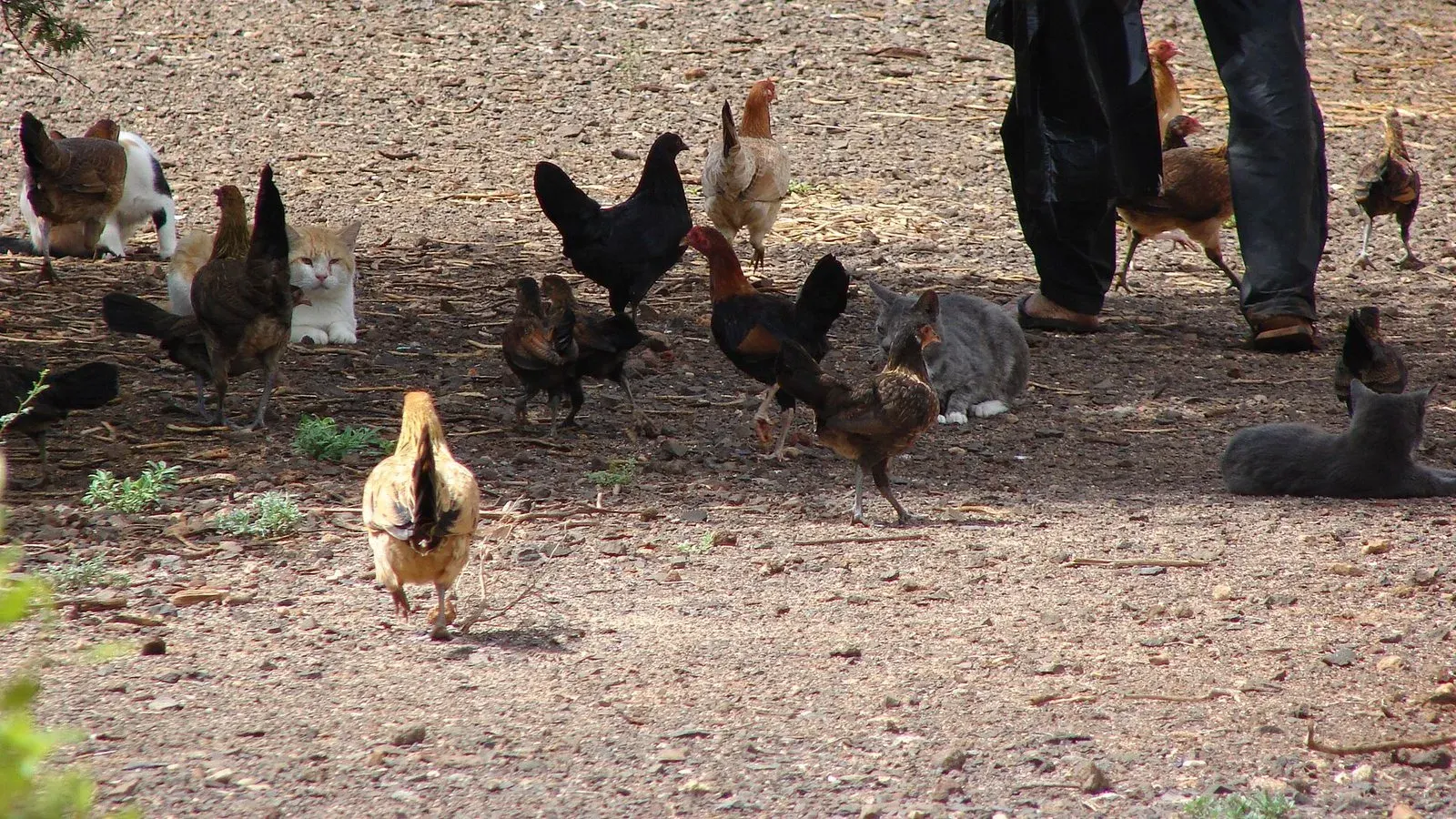
Most backyard flocks do not need a vitamin supplement. A complete layer feed is already fortified to cover a laying hen's requirement, and tipping more on top of that every week does nothing you can measure except empty the tub faster.
What these products are genuinely for is a short list of moments. The day chicks arrive after a shipping journey. The third day of a heat wave. The week after a course of antibiotics. A hard moult. A bird coming back from illness. In those windows a bird is drinking far more than it is eating, or losing more than a full feeder can replace, and a mix in the water does something the feed cannot.
That changes what you should actually buy. Mixed electrolyte water goes off inside a day, so a tub quietly encourages daily use while a pre-measured sachet does not. We compared six supplements on which moment each one is built for, whether the pack size matches how rarely you will need it, and what the label does not do. Ducks are the one real exception to all of this, and there is a pick below for them.
Our picks at a glance
Every product below wins one specific situation. Pick the row that matches your flock, your yard and your budget rather than reading top to bottom.
-
Best Overall

Sav-A-Chick 9-Pack
Keepers who want a supplement sitting in the cupboard for the two or three days a year it is genuinely needed.
-
Best with Probiotics

Manna Pro Hydro-Hen
Keepers dealing with heat stress and gut recovery in the same period, or anyone who would rather buy one tub than two products.
Check price on Amazon for Manna Pro Hydro-Hen Chicken Electrolyte & Probiotic for Poultry, 20 oz on AmazonAbout $19.99 checked Aug 8, 2026
-
Best Value
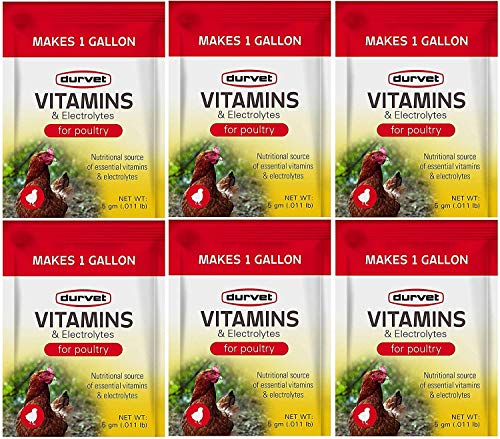
Durvet 6-Pack
A first supplement for a small flock, where the point is having something correct in the cupboard rather than stocking up.
Check price on Amazon for Durvet 6 Pack of Vitamins and Electrolytes for Poultry, 5 Grams, Makes 6 Gallons on AmazonAbout $9.07 checked Aug 8, 2026
-
Best for Heat Waves

Fresh Eggs Daily Powder
Keepers facing a long run of hot weather who will be mixing fresh electrolyte water every morning for a week or more.
-
Best Probiotic Only

Equa HealthyGut
A flock that has just finished a course of antibiotics, or a bird recovering from a digestive upset over several days.
-
Best for Ducks

Brewer's Yeast + Niacin
Anyone raising ducklings or keeping ducks alongside chickens on a standard chicken starter or layer feed.
Compare every pick side by side
Swipe the table sideways to see every column on a phone.
| Product | Award | Price band | Supplement Type | Form | Servings | Main Use | Best use case | Buy link |
|---|---|---|---|---|---|---|---|---|
| Sav-A-Chick 9-Pack | Best Overall | Under $30 | Electrolytes and vitamins | Single-dose powder sachets | 9 sachets, 1 gallon each | Heat stress and transport recovery | Keepers who want a supplement sitting in the cupboard for the two or thre… | Check price for Sav-A-Chick 9 Pack of Electrolyte and Vitamin Supplement Strip for Poultry , Birds, Chickens, Ducks, Turkeys on Amazon |
| Manna Pro Hydro-Hen | Best with Probiotics | Under $30 | Electrolytes with probiotics | Bulk powder, 20 oz tub | Many, scoop measured | Heat stress plus gut support | Keepers dealing with heat stress and gut recovery in the same period, or… | Check price for Manna Pro Hydro-Hen Chicken Electrolyte & Probiotic for Poultry, 20 oz on Amazon |
| Durvet 6-Pack | Best Value | Under $30 | Electrolytes and vitamins | Single-dose powder sachets | 6 sachets, 1 gallon each | Heat stress and transport recovery | A first supplement for a small flock, where the point is having something… | Check price for Durvet 6 Pack of Vitamins and Electrolytes for Poultry, 5 Grams, Makes 6 Gallons on Amazon |
| Fresh Eggs Daily Powder | Best for Heat Waves | Under $30 | Electrolytes with herbs | Bulk powder | Many, scoop measured | Hot weather hydration | Keepers facing a long run of hot weather who will be mixing fresh electro… | Check price for Fresh Eggs Daily Poultry Electrolyte Powder - Hydration Support Drink Mix with Probiotics for Chickens & Ducks - Natural Supplement for Environmental Challenges, Immune Health & Egg Quality - 8 Oz on Amazon |
| Equa HealthyGut | Best Probiotic Only | Under $30 | Probiotic only | Freeze-dried powder with a scoop | About 30 scoops | Gut recovery after antibiotics or stress | A flock that has just finished a course of antibiotics, or a bird recover… | Check price for Equa Holistics HealthyGut Probiotics for Chickens & Poultry, All-Natural Digestive System Dietary Supplement (30 Scoops) on Amazon |
| Brewer's Yeast + Niacin | Best for Ducks | Under $30 | Niacin and B vitamin supplement | Bulk powder, 10 oz | Many, scoop measured | Niacin support for ducks and waterfowl | Anyone raising ducklings or keeping ducks alongside chickens on a standar… | Check price for Brewer's Yeast + Probiotics + Niacin + Vitamins Supplement for Ducks, Chickens and Poultry. (Molt Recovery, Severe Stress, Egg Quality and Development) 10-Ounce Resealable Foil-Lined Pouch on Amazon |
The full reviews
Each review below follows the same order: what it is, why it won its category, how it behaves in real use, and who should buy something else.
1 Best Overall
Sav-A-Chick 9 Pack of Electrolyte and Vitamin Supplement Strip for Poultry , Birds, Chickens, Ducks, Turkeys
Nine sealed sachets, each measured for one gallon, which matches how a vitamin and electrolyte mix should actually be used: occasionally, mixed fresh and finished the same day.
What we liked
- Pre-measured sachets remove the guesswork of scooping powder into a waterer
- Nine gallons covers several heat waves and a chick delivery with room to spare
- Foil strips keep the powder dry between uses, which an opened tub does not
- Works out around a dollar a gallon, the lowest of the pre-measured packs here
What we did not
- No probiotics in the mix, so it does nothing for gut recovery after a course of antibiotics
- Each sachet doses a full gallon, so a small waterer means mixing a gallon and tipping most of it away
- Sachets cannot be resealed once opened, so a part dose either gets used at the wrong strength or wasted
Key specifications
- Dimensions
- 5 x 0.1 x 3 in (L x W x H)
- Weight
- 0.18 pounds
- Colour
- B01K27VJ8C
- Supplement Type
- Electrolytes and vitamins
- Form
- Single-dose powder sachets
- Servings
- 9 sachets, 1 gallon each
- Main Use
- Heat stress and transport recovery
- Probiotics
- No
Why the Sav-A-Chick 9-Pack wins this category
Because the packaging enforces the right behaviour. A vitamin and electrolyte mix is a response to an event, not a weekly habit, and a tub of loose powder quietly invites you to use it far more often than you need to. Nine sealed sachets, each measured for one gallon, make it obvious that this is something you reach for a handful of times a year.
The mix itself is the standard combination. Salts to replace what a panting bird loses, plus vitamins to cover a stretch of poor eating. That is what you want on the day chicks arrive after shipping, or on the third day of a heat wave when birds are drinking and barely touching the feeder.
Living with the Sav-A-Chick 9-Pack
Nine gallons goes further than it sounds. A run of hot days might use two or three sachets, a chick delivery uses one, and most keepers will still have some in the box the following summer.
The foil strips matter for exactly that reason. Loose powder in an opened tub draws moisture out of the air and cakes, and a supplement you touch twice a year is the one most likely to have gone solid by the time you need it.
Where the Sav-A-Chick 9-Pack falls short
There are no probiotics in it. If your reason for buying is a bird coming off a course of antibiotics, this is not the product that addresses that, and you want a probiotic alongside it or instead of it.
The gallon dose is the other awkward part. A three hen waterer might hold a quart, so you either mix a gallon and tip most of it out, or split a sachet by eye.
One thing it does not do at all: treat illness. A bird that is genuinely unwell needs a vet, not a drink mix.
Research based, not hands-on
Assessed on the published pack format, sachet count and stated dilution rate, and compared against bulk tubs on how supplement water gets used in practice.
- Best for
- Keepers who want a supplement sitting in the cupboard for the two or three days a year it is genuinely needed.
- Skip it if
- You want probiotics in the same mix, because this is electrolytes and vitamins only and nothing else.
- The limitation to plan around
- Every sachet is measured for a full gallon of water. If your waterer holds a quart, you either mix a gallon in a bucket and throw most of it out, or split a sachet by eye and lose the accuracy you paid for.
2 Best with Probiotics
Manna Pro Hydro-Hen Chicken Electrolyte & Probiotic for Poultry, 20 oz
A 20 oz tub that puts electrolytes and probiotics in the same scoop, which saves buying two products when a bird needs both hydration support and gut recovery at once.
What we liked
- Electrolytes and probiotics in one powder, so a post-antibiotic bird gets both from a single tub
- 20 oz is enough for a long hot spell without opening a new pack every few days
- Scoop dosing lets you mix a quart or a half gallon rather than committing to a full gallon
- Resealable tub keeps the remainder usable between separate events
What we did not
- A bulk tub has no natural stopping point, so it encourages routine weekly dosing that a fortified feed already covers
- Probiotic organisms in a waterer standing in the sun have a short useful life, so the gut benefit depends on birds drinking it quickly
- Scoop measuring is easier to get wrong than a sachet, and an over-salted mix puts birds off drinking entirely
- Once opened, the powder takes on atmospheric moisture and cakes, which matters if you only need it twice a year
About $19.99 checked Aug 8, 2026
Key specifications
- Dimensions
- 10 x 8 x 1.5 in (L x W x H)
- Weight
- 1.25 pounds
- Colour
- White
- Supplement Type
- Electrolytes with probiotics
- Form
- Bulk powder, 20 oz tub
- Servings
- Many, scoop measured
- Main Use
- Heat stress plus gut support
- Probiotics
- Yes
Why the Manna Pro Hydro-Hen wins this category
Because the two problems do sometimes arrive together. A bird that has just finished a course of antibiotics in hot weather needs fluid replacement and a gut that has been stripped of its normal bacteria, and buying two separate products for one bird feels like overkill.
The Hydro-Hen puts both in one scoop, and 20 oz is a realistic quantity if you are dosing a flock through a fortnight of heat rather than a single afternoon.
Living with the Manna Pro Hydro-Hen
Scoop dosing is the practical advantage over sachets. If your waterer holds a quart, you measure a quart's worth. Nobody is tipping three quarters of a gallon of mixed water into the grass because the pack decided the dose.
The resealable tub also means one event does not consume a fixed unit. A two day heat spell uses what it uses, and the rest is there in September.
Where the Manna Pro Hydro-Hen falls short
The format works against the honest advice, which is that most flocks need this rarely. A tub with a scoop in it has no natural stopping point, and it is easy to drift into adding a scoop every week because it is there. A fortified layer feed already covers the vitamin side, so that habit buys nothing.
Probiotics in drinking water are the other thing to be clear about. Live organisms sitting in a warm, open waterer for a day are not in good shape by the evening. Mix small amounts, put it out fresh in the morning, and expect the benefit to come from birds drinking it early rather than from the tub itself.
And an opened tub of powder cakes. If your realistic use is three days a year, the sachets are the better buy even though they cost more per ounce.
Research based, not hands-on
Assessed on the published formulation, tub size and scoop dosing method, and compared against single-dose sachets and probiotic-only powders on shelf behaviour and dosing accuracy.
- Best for
- Keepers dealing with heat stress and gut recovery in the same period, or anyone who would rather buy one tub than two products.
- Skip it if
- You only need a supplement two or three days a year, because 20 oz of opened powder will cake long before you finish it.
- The limitation to plan around
- The convenience of one tub is also its weakness. Electrolytes are a same-day fix and probiotics are a course over days, so a single product invites you to treat two different problems with one habit rather than dosing each for the right length of time.
3 Best Value
Durvet 6 Pack of Vitamins and Electrolytes for Poultry, 5 Grams, Makes 6 Gallons
Six pre-measured sachets for the lowest total outlay here, which is the cheapest way to get a proper single-dose supplement into the cupboard for the two or three days a year it is needed.
What we liked
- Lowest total price of any pre-measured pack in this guide
- Six gallons is a realistic year of use for a flock that only needs dosing at events
- Single-dose sachets keep the powder sealed and dry until the day you open one
- The 5 gram sachet and 1 gallon dilution match the standard advice, so there is nothing to work out
What we did not
- Six sachets at this price is more per gallon than the nine-sachet Sav-A-Chick pack, so the saving is on the box rather than the dose
- No probiotics, so it is no help for a bird recovering from a course of antibiotics
- Six gallons runs out quickly in a long hot summer with a flock of a dozen birds
- Each sachet doses a full gallon, so a small waterer means mixing more than the birds will drink in a day
About $9.07 checked Aug 8, 2026
Key specifications
- Dimensions
- 5 x 6 x 0.6 in (L x W x H)
- Weight
- 0.0110231131 pounds
- Supplement Type
- Electrolytes and vitamins
- Form
- Single-dose powder sachets
- Servings
- 6 sachets, 1 gallon each
- Main Use
- Heat stress and transport recovery
- Probiotics
- No
Why the Durvet 6-Pack wins this category
Because the barrier to owning a supplement at all is the price on the shelf, not the price per gallon, and this is the cheapest correct product on the page. Six sachets, 5 grams each, one gallon each, which is the standard dilution and leaves nothing to interpret.
For a keeper with four or five hens who has never bought electrolytes and wants something on hand for a hot week, this is the right amount of commitment.
Living with the Durvet 6-Pack
The sachet format does the same job here as it does on the more expensive packs. The powder stays sealed and dry, which matters for a product that spends 51 weeks of the year in a cupboard, and there is no scoop to misjudge.
Six is also a sensible number for a small flock, and you are unlikely to have three year old sachets sitting around.
Where the Durvet 6-Pack falls short
The value case is narrower than the price tag suggests. Divide the cost across six gallons and it works out dearer per gallon than the nine-sachet Sav-A-Chick pack. If you expect to need this more than once, you save money by spending a little more up front, so the win here is genuinely for people who want the smallest sensible purchase.
There are no probiotics in the mix. Post-antibiotic gut recovery is a different product and this is not it.
Six gallons is also thin cover for a bigger flock. Twelve birds in a heat wave can drink through several gallons a day, and the pack could be empty before the weather breaks.
As with everything in this category, it supports a bird through a stressful few days. It does not treat an illness, and a bird that is genuinely sick needs a vet.
Research based, not hands-on
Assessed on the published sachet count, 5 gram sachet size and 1 gallon dilution rate, and compared on cost per gallon against the other pre-measured packs in this guide.
- Best for
- A first supplement for a small flock, where the point is having something correct in the cupboard rather than stocking up.
- Skip it if
- You keep a large flock in a hot climate, because six gallons will not carry you through a serious heat wave.
- The limitation to plan around
- This is the cheapest box, not the cheapest dose. Spread across six gallons it costs more per gallon than the nine-sachet pack, so if you expect to use it more than once or twice the larger pack is the better buy.
4 Best for Heat Waves
Fresh Eggs Daily Poultry Electrolyte Powder - Hydration Support Drink Mix with Probiotics for Chickens & Ducks - Natural Supplement for Environmental Challenges, Immune Health & Egg Quality - 8 Oz
An 8 oz electrolyte powder built around hot weather hydration, and a heat wave is the one situation where a bulk tub genuinely beats single-dose sachets.
What we liked
- Formulated for hot weather hydration rather than sold as a general tonic
- Bulk powder is less wasteful than tearing open a sachet a day through a two week heat spell
- Scoop dosing lets you mix exactly what a waterer holds, down to a quart
- Suitable for chickens and ducks, so a mixed flock does not need two hydration products
What we did not
- The listing name mentions probiotics while the spec sheet records the formulation as electrolytes with herbs, so check the current label if probiotics are your reason for buying
- Claims about immune health and egg quality reach well past what hydration support can be expected to deliver
- The herbal ingredients are the selling point and there is no controlled evidence behind them for poultry
- An opened tub cakes with atmospheric moisture, which is a problem if your real use is three days a year
Key specifications
- Supplement Type
- Electrolytes with herbs
- Form
- Bulk powder
- Servings
- Many, scoop measured
- Main Use
- Hot weather hydration
- Probiotics
- No
Why the Fresh Eggs Daily Powder wins this category
Because a real heat wave breaks the usual advice. A pre-measured sachet is normally the better format, since it stops you dosing out of habit. But when the forecast is 95F for ten days straight, you are not making one gallon, you are making one a day for a fortnight.
At that point a tub and a scoop is cheaper, tidier and less wasteful than opening ten sachets, and this powder is aimed squarely at that use rather than being sold as a year-round tonic.
Living with the Fresh Eggs Daily Powder
The scoop is the practical part. Panting birds drink far more than usual, but a small flock still empties a quart waterer rather than a gallon, and being able to mix exactly what fits means less going into the grass.
It is intended for ducks as well as chickens, which is convenient in a mixed flock, though that is a hydration point only and no substitute for the extra niacin waterfowl need.
Where the Fresh Eggs Daily Powder falls short
The labelling deserves a careful read before you buy. The listing title mentions probiotics, while the specification we hold records the mix as electrolytes with added herbs. If probiotics are your reason for choosing it, check the current ingredient panel and be prepared to buy a dedicated probiotic instead.
The wider claims are the other issue. Immune health and egg quality are a long way past what replacing salts and fluid can be expected to do, and the herbal component is a marketing position rather than a body of poultry evidence. Buy it for hydration in hot weather, which it does well, and treat the rest as packaging.
Finally, once opened the tub draws moisture and cakes, so if your genuine need is three days a year the sachets are the better answer.
Research based, not hands-on
Assessed on the published formulation, tub size and stated hot weather use case, and compared against single-dose sachets on waste and shelf behaviour during sustained use.
- Best for
- Keepers facing a long run of hot weather who will be mixing fresh electrolyte water every morning for a week or more.
- Skip it if
- You want a supplement for occasional single days, because sachets stay dry in the cupboard and an opened tub does not.
- The limitation to plan around
- A heat wave is the only situation where this format is the right choice. Mixed electrolyte water spoils within a day, so outside a sustained hot spell you are opening a tub to make one waterer and then storing the rest until it cakes.
5 Best Probiotic Only
Equa Holistics HealthyGut Probiotics for Chickens & Poultry, All-Natural Digestive System Dietary Supplement (30 Scoops)
A 240 g probiotic with no electrolytes and no vitamins attached, which is the right shape of product for the one job it is for: repopulating a gut after antibiotics or a digestive upset.
What we liked
- Probiotics are the primary ingredient rather than an extra on an electrolyte label
- 30 scoops is enough for a proper multi-day course rather than a single dose
- No added salts, so it does not put birds off drinking the way an over-mixed electrolyte can
- Scoop dosing suits a course given over consecutive days to a small flock
What we did not
- No electrolytes at all, so it is the wrong product for heat stress or a shipping day
- 30 scoops is a short course if you are dosing a dozen birds rather than one recovering hen
- Live culture viability depends on storage and shipping conditions you cannot verify at home
- Bulk powder means dosing accuracy is down to your scoop technique across every day of the course
Key specifications
- Size
- 240 Grams | 30 Scoops
- Weight
- 0.5291094288 pounds
- Supplement Type
- Probiotic only
- Form
- Freeze-dried powder with a scoop
- Servings
- About 30 scoops
- Main Use
- Gut recovery after antibiotics or stress
- Probiotics
- Yes, primary ingredient
- Strains And Cfu
- 9 species of freeze-dried probiotic organisms plus the prebiotic inulin; CFU count not stated
- How To Use
- Sprinkled on feed
- Dosage
- 1 scoop daily per 30 chicks, 20 young birds or 10 adult chickens
- Pack Size
- 240 g, 30 scoops
- Age Range
- Chicks from day one through adult layers
Why the Equa HealthyGut wins this category
Because it does not pretend to be two things. Most of this aisle sells probiotics as a bullet point on an electrolyte label, where the actual product is a hydration mix with a culture added. This is the other way round, and when your reason for buying is a bird coming off a course of antibiotics, that is the product you want.
Thirty scoops also reflects how a probiotic is meant to work. Gut flora recovers over days, not in one afternoon, so a pack sized for a course is more useful than a sachet sized for a single gallon.
Living with the Equa HealthyGut
Leaving the salts out has a practical benefit. Over-mixed electrolyte water tastes wrong to birds and some will simply drink less of it, which is the opposite of what a recovering bird needs. A plain probiotic does not carry that risk.
Storage matters more here than anywhere else on this page. Keep it sealed, cool and dark, and use it while it is fresh rather than treating it as a cupboard staple.
Where the Equa HealthyGut falls short
It is the wrong product for the situation most people are shopping for. Heat wave, chick delivery, a bird just transported: none of those are gut flora problems, and there are no electrolytes here to help.
Scoop count is the other constraint worth doing the arithmetic on. Thirty scoops sounds generous until you are dosing a flock of a dozen for a week, at which point it is one course and no more.
And there is a limit to what anyone can verify. Live culture counts depend on how the product was stored and shipped, and no backyard keeper can check that. Buy it for a specific reason, use it promptly, and do not expect it to do anything for an illness that needs a vet.
Research based, not hands-on
Assessed on the published formulation, weight and scoop count, and compared against combined electrolyte and probiotic products on dosing length and intended use.
- Best for
- A flock that has just finished a course of antibiotics, or a bird recovering from a digestive upset over several days.
- Skip it if
- Your problem is heat or transport stress, because there are no electrolytes here to replace what a panting bird loses.
- The limitation to plan around
- A probiotic is a course, not a dose. One scoop after a week of medication achieves very little, so plan on consecutive days and count whether 30 scoops actually covers your flock size for that long.
6 Best for Ducks
Brewer's Yeast + Probiotics + Niacin + Vitamins Supplement for Ducks, Chickens and Poultry. (Molt Recovery, Severe Stress, Egg Quality and Development) 10-Ounce Resealable Foil-Lined Pouch
A 10 oz brewer's yeast blend with added niacin and B vitamins, aimed at the one real deficiency a backyard keeper is likely to meet, which is a duckling growing up on chicken feed.
What we liked
- Niacin is the point of the product rather than a line on a general supplement label
- Brewer's yeast sprinkles onto feed, so it works without relying on birds drinking dosed water
- B vitamins and probiotics included, which suits the moult and recovery periods it is also sold for
- 10 oz resealable foil pouch keeps the powder dry between seasons better than a screw-top tub
What we did not
- Chickens on a complete feed do not need extra niacin, so in a chicken-only flock this buys nothing
- Sprinkling on feed means individual birds get whatever they happen to eat, which is poor dosing control for a specific weak duckling
- 10 oz is a small pouch for a flock of growing ducklings needing daily supplementation for weeks
- Prevents a deficiency rather than fixing one, so a duckling already down on its hocks needs proper veterinary advice
Key specifications
- Dimensions
- 3.65 x 3.65 x 6.75 in (L x W x H)
- Weight
- 0.625 pounds
- Colour
- Amber
- Supplement Type
- Niacin and B vitamin supplement
- Form
- Bulk powder, 10 oz
- Servings
- Many, scoop measured
- Main Use
- Niacin support for ducks and waterfowl
- Probiotics
- Yes, included
Why the Brewer's Yeast + Niacin wins this category
Because ducks are the genuine exception in this whole category. Waterfowl need considerably more niacin than chickens do, and growing ducklings are the most sensitive of all. Feed them a standard chick starter, which is formulated for chickens, and they can fall short of what their legs need while they are putting on weight fast.
The sign is unmistakable once you know it: weak legs, reluctance to walk, hocks bowing outward. Brewer's yeast is the long-standing backyard answer, and this pouch adds niacin and B vitamins rather than leaving you to hope the yeast alone is enough.
Living with the Brewer's Yeast + Niacin
Feeding it dry is the practical advantage. Everything else on this page goes into the waterer, which means the dose depends on how much a bird chooses to drink. Yeast sprinkled over feed goes where the birds are already going.
The resealable foil pouch also handles storage better than most. Ducklings are a seasonal job, so a pouch that survives from one spring to the next without caking is worth something.
Where the Brewer's Yeast + Niacin falls short
It is a specialist product and it should be bought as one. Chickens on a complete feed already meet their niacin requirement, and adding this to a chicken-only flock does nothing measurable. If there are no ducks in your run, skip it.
Dosing control is the practical weakness. Powder scattered over shared feed reaches whichever birds eat most, which is fine as prevention and poor if you need a set quantity into one struggling duckling.
Ten ounces is also modest. A group of ducklings supplemented daily through their growing weeks will work through it faster than the pouch size suggests.
And the honest limit: this is prevention. A duckling already down on its hocks needs proper advice, not just yeast on the feed.
Research based, not hands-on
Assessed on the published formulation, pouch size and stated niacin and B vitamin content, and compared against general electrolyte products on what a waterfowl requirement actually needs.
- Best for
- Anyone raising ducklings or keeping ducks alongside chickens on a standard chicken starter or layer feed.
- Skip it if
- You keep only chickens on a complete feed, because the extra niacin addresses a requirement your birds do not have.
- The limitation to plan around
- Sprinkling powder onto shared feed gives you no control over which bird gets how much. In a mixed flock the ducks are not guaranteed the share they need, so feed ducklings separately if you are supplementing for a reason.
How we compared these supplements
Every product here was judged against the same question: which specific moment is this for, and does the pack size match how often that moment actually happens?
That meant looking at what is in the powder, because electrolytes, vitamins and probiotics solve different problems and get sold in the same aisle. It meant looking at format, because a single-dose sachet and a 20 oz tub push you toward very different habits. It meant working out the cost per gallon of mixed water rather than the cost of the box, since a cheap box that makes six gallons is not always cheaper than a slightly dearer one that makes nine.
We also read the claims. Where a label reaches past hydration and into immune health or egg quality, we say so, because a supplement is not a treatment and nothing here changes that.
What actually matters in a chicken vitamin supplement
The moment, not the routine
This is the specification nobody checks, because it is not printed on the tub.
A complete feed already carries the vitamins a laying hen needs. The reason to add anything to the water is that a bird has stopped eating normally or started losing fluid faster than it can replace it. Heat, shipping, moult, illness, the days after antibiotics. Outside those windows you are paying for a benefit that a full feeder is already delivering.
So the honest number for most keepers is two or three days of use a year, sometimes a week in a bad summer. Buy for that, not for a daily ritual.
Sachets against tubs
Mixed electrolyte water is a sugar and salt solution, and it goes off. In a warm run it is a bacterial soup by the next morning, which is why every sensible instruction says mix fresh daily and tip out the rest.
That fact quietly decides the format question. A pre-measured sachet makes one gallon, gets used, and the box goes back in the cupboard. A tub of loose powder has no natural stopping point, so it tempts weekly scooping that does nothing, and an opened tub takes on moisture and cakes before an occasional user finishes it.
Tubs win in exactly one situation, and it is a real one: a long heat wave where you are mixing fresh water every day for a fortnight. Then a scoop is cheaper and less wasteful than tearing open 14 sachets.
Probiotics, and what they do not do
A probiotic is a different product wearing the same packaging. It repopulates gut bacteria, which is a sensible thing to do after a course of antibiotics or a digestive upset, and it is a course over days rather than a same-day fix.
Be realistic about what you can verify. Shelf life, storage temperature and colony viability are not things a backyard keeper can check, and a probiotic that has sat in a hot delivery van is an unknown quantity. Buy one for a reason and use it while it is fresh.
Niacin, and why ducks are the exception
Waterfowl need far more niacin than chickens, and ducklings need it most. Raise ducklings on ordinary chick starter and they can fall short, which shows up in the legs: weakness, unwillingness to walk, hocks bowing outward. It is common, it is preventable, and it is the one deficiency in this category that a backyard keeper will genuinely meet.
If you keep ducks alongside hens, this is the supplement that matters. If you keep only chickens, it is not.
When to skip all of these
If your birds are on a complete feed, in good condition, laying normally and the weather is unremarkable, buy nothing. A supplement will not add anything to a bird that is already covered.
If a bird is hunched, quiet, not eating, breathing with an open beak in mild weather, or losing condition over a few days, you have a health problem rather than a hydration problem. None of these products treat disease and none of them should delay a call to a vet.
And if you find yourself reaching for electrolytes every week, look at the causes instead. Shade, ventilation, waterer position, feeder access for lower-ranked birds and parasite load are all more likely explanations than a vitamin gap.
Final recommendation
The Sav-A-Chick 9-Pack is the one to keep in the cabinet. Nine sealed sachets, each making a gallon, matches the way this category should actually be used, the foil keeps the powder dry between the rare times you need it, and it is the cheapest per gallon of the pre-measured packs here.
Buy differently in three cases. If you are heading into a long hot summer and will be mixing fresh water daily, the Fresh Eggs Daily Powder in bulk is less wasteful than tearing open a sachet a day. If your birds have just finished a course of antibiotics, the Equa HealthyGut is the product aimed at that job, and the Manna Pro Hydro-Hen covers both hydration and gut support in one tub if you would rather not buy twice. And if there are ducks in your flock, the Brewer's Yeast + Niacin is not an optional extra, it is the one product on this page that prevents a problem you are likely to see.
Questions people ask before buying
Do chickens on layer feed need vitamins?
No, not as a routine. A complete commercial layer feed is formulated and fortified to meet a laying hen's full vitamin and mineral requirement, and a healthy bird eating it is already covered. Adding a supplement on top every week does not stack on extra health. The exception is a specific stress event, such as shipping, extreme heat, a hard moult or the days after antibiotics, when a bird eats less and drinks more and the water becomes the useful route.
When should I give chickens electrolytes?
Give them for a defined event, not on a schedule. The situations that genuinely justify a dose are these: the day chicks arrive after being shipped, a stretch of hot weather where birds are panting and holding their wings out, the days after a course of antibiotics, a heavy moult, and a bird recovering from an illness or an injury. Two or three days is usually the whole course. If you find yourself dosing every week, the underlying problem is something else.
How long can mixed electrolyte water sit out?
Treat it as a one-day drink and dump what is left. A sugar and salt solution sitting in a warm run grows bacteria and yeast quickly, and a slimy waterer is worse for a stressed bird than plain water would have been. Mix fresh each morning, scrub the waterer between fills, and always leave a second waterer of plain water so birds that do not like the taste are not forced to choose between an off flavour and drinking nothing.
Will vitamins and electrolytes help a sick chicken?
They support a bird, they do not treat anything. Electrolytes replace what a dehydrated or heat stressed bird is losing and can help it keep drinking, which matters during recovery. They do not act on a respiratory infection, a worm burden, mites, sour crop or egg binding. If a bird is hunched, not eating, breathing oddly or going downhill over a day or two, the answer is a vet or an experienced poultry keeper, not a drink mix. Use the supplement alongside proper treatment, never instead of it.
Why do ducks need niacin when chickens do not?
Ducks and other waterfowl need roughly two to three times the niacin that chickens need, and growing ducklings are the most sensitive of all. Standard chick starter is formulated for chickens, so a duckling raised on it can end up short. The sign is legs: weakness, a reluctance to walk, bowing at the hocks, and in bad cases a bird that sits down and stops keeping up. Brewer's yeast is the usual backyard fix, sprinkled on feed, and prevention works far better than trying to correct it later.
Can I give probiotics and electrolytes at the same time?
You can, and some products combine them, but they are answers to different problems. Electrolytes address fluid and salt loss from heat or transport, and work within hours. Probiotics are about repopulating gut bacteria after antibiotics or a digestive upset, and are a course over days or weeks. If your problem is a heat wave, electrolytes alone are fine. If it is the week after a medication course, the probiotic is the part doing the work. Buying a combined product is convenience rather than a better outcome.
Why you can trust this guide
- Written by
- Marta Voss, Editor and fact checker, Chicken Geek. Specialist areas: Editorial fact checking, Chick brooding and starter nutrition, Small-flock husbandry, Feed labels and nutrition claims.
- Fact checked by
- Sam Reddick
- Published
- August 6, 2026 · Last updated August 6, 2026 · Products and links rechecked August 6, 2026
- How we picked
- Supplements were compared on what the powder contains, whether the pack is single dose or bulk, how many gallons it makes, the specific situation each is formulated for, the cost per gallon of mixed water, and whether the marketing stays inside what a supplement can honestly claim.
- Evidence used
- None of the 6 products on this page were sent to us or bought for a hands-on test. Every recommendation here is research based: manufacturer specifications, listed dimensions and materials, owner feedback at volume, and comparison against equipment our team has owned. Each review states this again above the buy button so you are never guessing which kind of evidence sits behind a pick.
- Editorial standards
- No brand pays for placement, and no manufacturer sees this page before it goes live. Read our editorial policy and testing method.
- Affiliate disclosure
- Chicken Geek is reader supported. We earn a commission from qualifying purchases made through links on this page, at no extra cost to you, and no brand has paid for a placement or an award here.
About the author

Editor and fact checker, Chicken Geek
Marta edits every guide on Chicken Geek and checks that each claim can be traced back to a manufacturer specification, a published standard or a stated first-hand observation. She keeps a small backyard flock of six hens and has raised chicks from day one for eight seasons.
- Eight seasons raising chicks from day-old to point of lay
- Checks every specification in a Chicken Geek guide against the manufacturer listing
- Removes any testing claim that cannot be backed up
- Keeps a flock of six hens in a suburban backyard