We Compared 6 Chicken Mite Treatments on Coop Kill and Egg Withdrawal
We compared six chicken mite treatments on active ingredient, egg withdrawal and whether they treat the coop as well as the bird, which is what decides the result.

By Sam Reddick Lead gear reviewer, Chicken Geek
Fact checked by Marta Voss
Published Prices and stock checked 7 min read
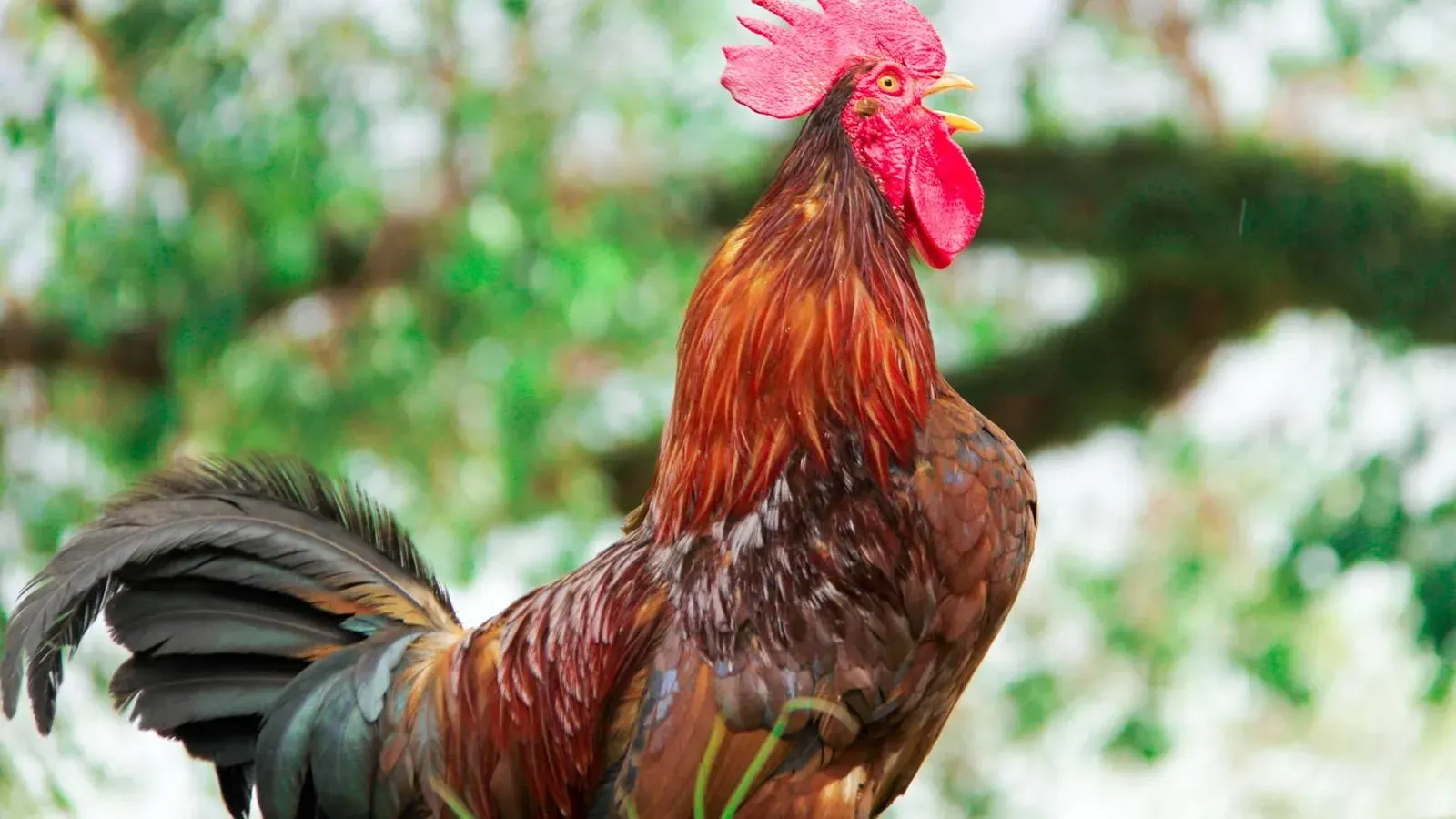
Most mite treatments fail for one reason, and it has nothing to do with the product. Red mite does not live on your chickens. It lives in the coop, in the ends of the perches and in every crack in the timber, and it only climbs onto a hen after dark to feed. Treat the birds and leave the woodwork alone and the survivors simply come back the next night.
So the first thing we compared was not kill speed or price. It was what each product is actually specified to treat: the bird, the coop, or both. After that we looked at the active ingredient, the egg withdrawal the maker states, and whether the form suits soaking a crack or dusting a bird.
The second thing that decides success is timing. Nothing here kills eggs, so a second application 7 to 10 days after the first is part of the treatment rather than an optional top-up. Every product in this guide carries the same repeat interval. If you only do one round, you have not treated your flock, you have thinned the population.
Our picks at a glance
Every product below wins one specific situation. Pick the row that matches your flock, your yard and your budget rather than reading top to bottom.
-
Best Overall
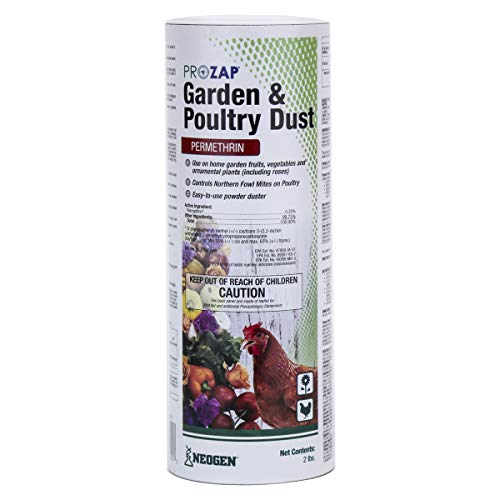
Prozap Poultry Dust
Keepers dealing with a normal seasonal mite load who want one cheap product that covers both the birds and the coop.
Check price on Amazon for Prozap 1499540 Garden & Poultry Dust For Insects, 2 Lb on AmazonAbout $10.49 checked Aug 8, 2026
-
Best Natural Spray

Premo Guard Spray 32 oz
Keepers who want to avoid permethrin on birds they collect eggs from every day and are treating a light to moderate load.
Check price on Amazon for Premo Guard Natural Poultry Spray – Kills Scaly Leg Mites, Fleas, & Lice on AmazonAbout $35.97 checked Aug 8, 2026
-
Best for Heavy Infestations

Prozap Insectrin Dust
Keepers with an established infestation that has already survived a round of garden strength dust and needs a stronger active.
Check price on Amazon for Prozap Insectrin Dust Livestock Dust on AmazonAbout $17.46 checked Aug 8, 2026
-
Best Coop Spray

Ridgewell Coop Spray
Keepers who already have a bird treatment sorted and want a coop product with no permethrin and no egg withdrawal claim.
-
Best Value Natural

Colton's Naturals Spray
Keepers who want a permethrin-free spray for both birds and coop and are treating a light to moderate mite load.
-
Best Budget

CoopGuard Poultry Spray
Keepers with a small coop who want a low-cost permethrin-free spray for maintenance and light mite loads.
Compare every pick side by side
Swipe the table sideways to see every column on a phone.
| Product | Award | Price band | Active Ingredient | Form | Egg Withdrawal | Treats | Best use case | Buy link |
|---|---|---|---|---|---|---|---|---|
| Prozap Poultry Dust | Best Overall | Under $30 | Permethrin 0.25% | Dust | None stated for poultry use, read the label | Birds and coop surfaces | Keepers dealing with a normal seasonal mite load who want one cheap produ… | Check price for Prozap 1499540 Garden & Poultry Dust For Insects, 2 Lb on Amazon |
| Premo Guard Spray 32 oz | Best Natural Spray | $30 to $60 | Plant-derived, no permethrin | Ready-to-use spray | None claimed by the maker | Birds, coop and roosts | Keepers who want to avoid permethrin on birds they collect eggs from ever… | Check price for Premo Guard Natural Poultry Spray – Kills Scaly Leg Mites, Fleas, & Lice on Amazon |
| Prozap Insectrin Dust | Best for Heavy Infestations | Under $30 | Permethrin, livestock strength | Dust | Check the label for your species | Birds and bedding | Keepers with an established infestation that has already survived a round… | Check price for Prozap Insectrin Dust Livestock Dust on Amazon |
| Ridgewell Coop Spray | Best Coop Spray | $30 to $60 | Clove and plant oil blend | Ready-to-use spray | None claimed by the maker | Coop surfaces and roosts | Keepers who already have a bird treatment sorted and want a coop product… | Check price for Poultry Chicken & Coop Spray 32 oz | Kills Mites, Fleas, Lice & Ticks | Clove & Cottonseed Essential Oils | Use on Chicks* & Laying Hens | No Egg Withdrawal | Made in USA on Amazon |
| Colton's Naturals Spray | Best Value Natural | Under $30 | Plant-derived essential oils | Ready-to-use spray | None claimed by the maker | Birds and coop | Keepers who want a permethrin-free spray for both birds and coop and are… | Check price for Colton’s Naturals Poultry Spray 32 oz – for Chickens – Helps with Mites, Lice, Fleas & Scaly Leg – Safe for Coops, Birds & Backyard Poultry on Amazon |
| CoopGuard Poultry Spray | Best Budget | Under $30 | Plant-based blend | Ready-to-use spray | None claimed by the maker | Birds and coop | Keepers with a small coop who want a low-cost permethrin-free spray for m… | Check price for Healthy Paw Life CoopGuard Poultry Spray – Plant-Based Poultry Care Spray for Chicken Coops, Nesting Boxes & Bedding – Natural Essential Oils – No Egg Withdrawal on Amazon |
The full reviews
Each review below follows the same order: what it is, why it won its category, how it behaves in real use, and who should buy something else.
1 Best Overall
Prozap 1499540 Garden & Poultry Dust For Insects, 2 Lb
A 0.25% permethrin dust specified for birds and coop surfaces, which is the combination that actually clears red mite, at less than half the price of any 32 oz spray here.
What we liked
- Specified for birds and coop surfaces, so one product covers both halves of the job
- Permethrin is a long-established active with published poultry rates behind it
- Dust settles into perch sockets and timber joints and stays there after a spray would have dried
- Around $10.49 for 2 lb, the cheapest way here to treat the flock and the coop together
What we did not
- Fine dust is a respiratory irritant, so the coop has to be empty and open while you work
- The pack states no withdrawal for poultry use and tells you to read the label, so laying flocks need checking first
- At 0.25% permethrin it is the weaker of the two Prozap dusts, and heavy infestations often survive it
- 2 lb goes quickly once you are dusting perch ends and joints as well as six birds
About $10.49 checked Aug 8, 2026
Key specifications
- Dimensions
- 3 x 3 x 8.75 in (L x W x H)
- Weight
- 0.00440924524 pounds
- Colour
- blue
- Active Ingredient
- Permethrin 0.25%
- Form
- Dust
- Egg Withdrawal
- None stated for poultry use, read the label
- Treats
- Birds and coop surfaces
- Reapplication
- Repeat after 7 to 10 days
Why the Prozap Poultry Dust wins this category
Because it is the only cheap product here that is specified for the bird and the coop at the same time. That matters more than anything else in this category. Red mite hides in the woodwork all day and only feeds on a roosting hen at night, so a treatment that covers one and not the other leaves the population intact.
Permethrin is also the best understood active on this page. It has a long record in poultry use with published rates, which the plant-oil sprays here cannot offer.
Living with the Prozap Poultry Dust
Dust suits the actual geometry of the problem. Red mite lives in the gap between a perch and its bracket, and a powder puffed into that gap stays there once a spray would have dried off. It is also the easiest form to work down through feathers around the vent and under the wings.
Two pounds sounds like a lot until you dust a coop properly. Perch ends, joints, nest box seams and six birds twice over will make a real dent in the tub.
Where the Prozap Poultry Dust falls short
Airways are the honest drawback. Fine powder puffed into an enclosed wooden box is a respiratory irritant for hens and for you, so this is a birds-out, doors-open, mask-on job, and the coop needs to settle before the flock goes back.
Concentration is the other one. At 0.25% permethrin this is the garden strength product, and an infestation that has already been through one round of treatment often needs the livestock strength dust instead.
The withdrawal wording is thin. The pack states none for poultry use and tells you to read the label, so check the bottle in your hand before you eat eggs from treated birds.
Research based, not hands-on
Assessed on the stated 0.25% permethrin concentration, the dust form, the treats specification covering birds and coop surfaces, and the 7 to 10 day repeat interval on the pack.
- Best for
- Keepers dealing with a normal seasonal mite load who want one cheap product that covers both the birds and the coop.
- Skip it if
- You want to avoid synthetic pyrethroids entirely, because permethrin is the whole basis of how this works.
- The limitation to plan around
- Plan around the dust cloud. This has to go on with the birds out, the coop open and a mask on your face, which rules out a quick evening application before the flock roosts.
2 Best Natural Spray
Premo Guard Natural Poultry Spray – Kills Scaly Leg Mites, Fleas, & Lice
A ready-to-use plant-derived spray specified for birds, coop and roosts with no egg withdrawal claimed, which makes it the easiest option to use on a laying flock you are collecting from daily.
What we liked
- Plant-derived formula with no permethrin, for keepers who want to avoid synthetic pyrethroids
- No egg withdrawal claimed by the maker, so collection does not have to pause
- Specified for birds, coop and roosts, so one bottle covers the whole treatment
- Ready to use, with no mixing or measuring to get wrong
What we did not
- Plant-derived actives do not carry the published poultry efficacy data permethrin has, so results are harder to predict
- A 32 oz bottle does not go far when you are soaking perch sockets and every timber joint, so a full coop treatment can take more than one
- Liquid evaporates, leaving far less residual protection in a crack than a dust does
- At $35.97 it costs more than three times the permethrin dust that treats the same birds and the same coop
About $35.97 checked Aug 8, 2026
Key specifications
- Dimensions
- 10 x 8 x 6 in (L x W x H)
- Weight
- 1 pounds
- Colour
- Clear
- Active Ingredient
- Plant-derived, no permethrin
- Form
- Ready-to-use spray
- Egg Withdrawal
- None claimed by the maker
- Treats
- Birds, coop and roosts
- Reapplication
- Repeat after 7 to 10 days
Why the Premo Guard Spray 32 oz wins this category
Because of the withdrawal line and the coverage line together. It is specified for birds, coop and roosts, and the maker claims no egg withdrawal, which removes the one thing that stops most keepers treating promptly: not wanting to bin a week of eggs.
Being ready to use matters more than it sounds. Concentrates get diluted wrong under pressure, and a mis-mixed treatment is a wasted round you will not discover for ten days.
Living with the Premo Guard Spray 32 oz
Spray is the right form for timber. You can drive liquid into a joint or a perch socket where a dust needs a puffer bottle and a good angle. It is also less unpleasant to apply than a powder in an enclosed coop.
On the bird, work it against the lie of the feathers around the vent, under the wings and down the legs, because a surface mist over the back does very little.
Where the Premo Guard Spray 32 oz falls short
The evidence base is the real gap. Permethrin has published poultry rates behind it; a plant-derived blend generally does not, and the maker publishes no residual period. For a light load or maintenance that is a reasonable trade. For a coop with visible mite and pale-combed hens, it is not the tool to bet on, and a bird showing blood loss needs a vet rather than another bottle.
Volume is the practical problem. Soaking perch ends, brackets, joints and nest box seams uses liquid fast, and a 32 oz bottle can disappear in one thorough coop treatment. At $35.97 a bottle, two rounds on a full coop is over 70 dollars in a fortnight against about 10 dollars for the permethrin dust.
Evaporation is the last one. Once the timber dries, there is nothing published to say anything is still working in the crack.
Research based, not hands-on
Assessed on the stated plant-derived active ingredient with no permethrin, the ready-to-use form, the no egg withdrawal claim and the treats specification covering birds, coop and roosts.
- Best for
- Keepers who want to avoid permethrin on birds they collect eggs from every day and are treating a light to moderate load.
- Skip it if
- You have an established, visible infestation, because a contact spray with no published residual is the weaker tool for that job.
- The limitation to plan around
- Contact kill only, as far as the published information goes. Nothing states how long it stays active on treated timber, so the 7 to 10 day repeat is doing all the work against newly hatched mites.
3 Best for Heavy Infestations
Prozap Insectrin Dust Livestock Dust
Livestock strength permethrin dust in a 2.2 lb tub, which is the step up when a garden strength product has already been through the coop once and the mites are still there.
What we liked
- Livestock strength permethrin, a meaningful step up from the 0.25% garden dust
- 2.2 lb is enough to dust a whole coop twice without rationing it
- Dust holds in perch sockets and timber joints where a spray dries off
- Specified for birds and bedding, so it covers the two places mites concentrate
What we did not
- The label covers several livestock species, so you have to find the poultry rate rather than assume one
- Egg withdrawal is listed as check the label for your species, which means no usable answer until you read the tub
- Higher concentration raises the cost of a mistake, so measuring by eye is not an option here
- A fine dust at this strength needs a mask, an empty coop and a settling period before birds return
About $17.46 checked Aug 8, 2026
Key specifications
- Dimensions
- 3.1 x 3.1 x 8.6 in (L x W x H)
- Weight
- 2.2 pounds
- Colour
- Blue
- Active Ingredient
- Permethrin, livestock strength
- Form
- Dust
- Egg Withdrawal
- Check the label for your species
- Treats
- Birds and bedding
- Reapplication
- Repeat after 7 to 10 days
Why the Prozap Insectrin Dust wins this category
Because a heavy infestation is a different problem from a seasonal one. Once mites are visible on the perch by day and the birds have pale combs, the population in the timber is large enough that a light treatment thins it rather than clears it.
A livestock strength permethrin dust is the honest answer to that, and 2.2 lb is enough material to treat the whole structure properly instead of dabbing at the worst corners.
Living with the Prozap Insectrin Dust
Dust is the right form for a bad case. It gets into perch sockets, bracket gaps and the joints under nest boxes, and it is still there the next day, which a spray is not.
Being specified for birds and bedding matters too. Bedding is where mites drop and shelter, so a product you can put through the litter as well as onto the birds saves buying a second thing.
Where the Prozap Insectrin Dust falls short
The label is the catch. This is a livestock product, so the rate table covers several species and the withdrawal line tells you to check the label for the one you are treating. That is fine if you read it carefully and follow the poultry entry. It is a genuine problem if you assume the rate from a poultry-only product carries across, because at livestock strength an over-application is not harmless.
Handling is the second issue. A stronger dust in a closed wooden box is a worse airway exposure than the garden version, for the hens and for you. Birds out, doors open, mask on, and let it settle before the flock roosts.
If your birds are already weak or anaemic, treat the coop and call a vet. This is a pest control step, not a treatment for blood loss.
Research based, not hands-on
Assessed on the stated livestock strength permethrin active, the dust form, the treats specification covering birds and bedding, and the check the label withdrawal wording.
- Best for
- Keepers with an established infestation that has already survived a round of garden strength dust and needs a stronger active.
- Skip it if
- This is your first treatment for a light load, because starting at livestock strength adds risk you do not need yet.
- The limitation to plan around
- The label is written for livestock generally, not for backyard hens. You have to read it properly, find the poultry rate and the withdrawal for your species, and follow that rather than a rate you remember from another tub.
4 Best Coop Spray
Poultry Chicken & Coop Spray 32 oz | Kills Mites, Fleas, Lice & Ticks | Clove & Cottonseed Essential Oils | Use on Chicks* & Laying Hens | No Egg Withdrawal | Made in USA
A clove and plant oil spray specified for coop surfaces and roosts, which is the half of the job most keepers skip, and the half that decides whether the mites come back.
What we liked
- Specified for coop surfaces and roosts, the exact places red mite hides during the day
- Ready-to-use liquid drives into perch sockets and timber joints better than a powder does
- Clove and plant oil blend with no egg withdrawal claimed by the maker
- No airborne dust, so it is the easier form to apply inside an enclosed coop
What we did not
- Specified for coop surfaces and roosts rather than the birds, so a full treatment needs a second product
- Essential oils lose potency as the timber dries, so misting a surface achieves very little
- At $36.99 it is the highest per-bottle price here, and one thorough coop soak uses a large share of 32 oz
- No published residual period, so the 7 to 10 day repeat is the only thing covering newly hatched mites
Key specifications
- Dimensions
- 10 x 4 x 4 in (L x W x H)
- Colour
- Clear
- Active Ingredient
- Clove and plant oil blend
- Form
- Ready-to-use spray
- Egg Withdrawal
- None claimed by the maker
- Treats
- Coop surfaces and roosts
- Reapplication
- Repeat after 7 to 10 days
Why the Ridgewell Coop Spray wins this category
Because it is aimed squarely at the part of the problem people ignore. Red mite spends its day in the coop, not on the hen, and a product built for coop surfaces and roosts goes where the population actually lives.
Liquid is also the right form for timber. You can drive it into a perch socket, a bracket gap or a nest box seam, which is awkward with a dust and impossible with a wipe.
Living with the Ridgewell Coop Spray
The application technique matters more than the bottle. Soak, do not mist. Mites shelter several millimetres inside a joint, and a wet-looking surface does not reach them.
Work in a fixed order every time so nothing gets missed: underside of the perch bars, perch ends and sockets, then joints along the walls, then nest box corners, then the floor edges. Strip the bedding first and bag it.
No egg withdrawal claimed by the maker means you can treat the day you find the problem rather than waiting for a convenient week.
Where the Ridgewell Coop Spray falls short
It is half a treatment by design. The specification covers coop surfaces and roosts, so you need a bird product alongside it, and buying both puts the total well past a single dust that does either job.
Cost and volume compound that. At $36.99 a bottle, and with a proper soak using a large share of 32 oz, two rounds on a decent-sized coop is not cheap.
The bigger unknown is residual. Clove and plant oils work on contact and then dry, and nothing published says how long treated timber stays hostile to a newly hatched mite. That puts all the weight on doing the second application 7 to 10 days later, so treat that date as part of the purchase.
Research based, not hands-on
Assessed on the stated clove and plant oil active, the ready-to-use form, the no egg withdrawal claim and the treats specification limited to coop surfaces and roosts.
- Best for
- Keepers who already have a bird treatment sorted and want a coop product with no permethrin and no egg withdrawal claim.
- Skip it if
- You want a single bottle that does birds and coop, because this one is specified for coop surfaces and roosts.
- The limitation to plan around
- It only covers the structure. You still need something for the birds on the same day, otherwise the mites feeding that night survive the coop treatment entirely.
5 Best Value Natural
Colton’s Naturals Poultry Spray 32 oz – for Chickens – Helps with Mites, Lice, Fleas & Scaly Leg – Safe for Coops, Birds & Backyard Poultry
A 32 fl oz plant-oil spray specified for birds and coop with no egg withdrawal claimed, and at $24.95 it is the cheapest way here to get a stated volume of natural spray that covers both.
What we liked
- Covers birds and coop, so one bottle handles the full treatment rather than half of it
- 32 Fl Oz stated on the pack, so you know what you are getting for the money
- About $11 less than the other 32 oz natural sprays in this guide
- No egg withdrawal claimed by the maker, so eggs keep going in the kitchen
What we did not
- Plant-derived essential oils is the only detail given, so there is no named active to check or compare
- No published residual period, which makes the second application the only defence against newly hatched mites
- Soaking perch sockets, joints and nest box seams can use most of a 32 oz bottle in one round
- Contact-only action means a heavy, established red mite population may not clear without a registered product
Key specifications
- Size
- 32 Fl Oz (Pack of 1)
- Weight
- 2 pounds
- Colour
- Clear
- Active Ingredient
- Plant-derived essential oils
- Form
- Ready-to-use spray
- Egg Withdrawal
- None claimed by the maker
- Treats
- Birds and coop
- Reapplication
- Repeat after 7 to 10 days
Why the Colton's Naturals Spray wins this category
On price against stated volume. The other two full-size natural sprays here are $35.97 and $36.99 for a similar bottle. This is $24.95 for 32 fl oz and it is specified for birds and coop rather than for one or the other, which is the pairing that actually clears a mite problem.
For a keeper who wants to avoid permethrin, that combination is the sensible starting point rather than the premium one.
Living with the Colton's Naturals Spray
Doing both halves with one bottle simplifies the day. Strip the bedding, soak the perch undersides, sockets and joints, then do the birds against the lie of the feathers around the vent, under the wings and on the legs.
No egg withdrawal claimed means you can act the evening you find mites instead of waiting for a week when losing eggs would not matter.
Budget the bottle carefully. A thorough coop soak plus six birds will use a large share of 32 oz, so if you have a big coop, buy two before you start rather than stopping halfway.
Where the Colton's Naturals Spray falls short
Plant-derived essential oils is all you get on the active ingredient, with no named compound and no concentration. That is not unusual in this category and it still means you cannot compare it to anything, or look up what it is expected to do.
There is no published residual period either. Once the timber dries, treat it as done working, which puts the entire load on getting the second round in at 7 to 10 days.
For a heavy infestation, be realistic. A contact spray with no registration data behind it is not the equal of a permethrin dust, and a hen with a pale comb and dropping condition needs a vet rather than a third bottle.
Research based, not hands-on
Assessed on the stated plant-derived essential oil active, the 32 Fl Oz size, the ready-to-use form, the no egg withdrawal claim and the treats specification covering birds and coop.
- Best for
- Keepers who want a permethrin-free spray for both birds and coop and are treating a light to moderate mite load.
- Skip it if
- The infestation is already heavy and visible, because a contact spray with no named active is the wrong tool for that.
- The limitation to plan around
- You are buying on the brand's description rather than on a named concentration. Plan the treatment around the 7 to 10 day repeat and check the perches yourself afterwards, because nothing on the label tells you how long it keeps working.
6 Best Budget
Healthy Paw Life CoopGuard Poultry Spray – Plant-Based Poultry Care Spray for Chicken Coops, Nesting Boxes & Bedding – Natural Essential Oils – No Egg Withdrawal
At $19.99 it is the cheapest ready-to-use spray in this guide, plant-based, specified for birds and coop, and with no egg withdrawal claimed by the maker.
What we liked
- Cheapest ready-to-use spray here at around $19.99
- Plant-based blend with no permethrin, for keepers avoiding synthetic pyrethroids
- Specified for birds and coop, so it covers both sides of the treatment
- No egg withdrawal claimed by the maker, so collection carries on as normal
What we did not
- The listed pack measures 3 x 3 x 8 in, smaller than the 32 oz bottles here, so check the volume before calling it cheaper per ounce
- Plant-based blend is the only active ingredient detail given, so there is nothing to verify or compare
- No published residual period, so treated timber should be assumed inactive once dry
- A smaller bottle will not soak a full-size coop in one pass, which risks a partial treatment
Key specifications
- Dimensions
- 3 x 3 x 8 in (L x W x H)
- Colour
- Off-White
- Active Ingredient
- Plant-based blend
- Form
- Ready-to-use spray
- Egg Withdrawal
- None claimed by the maker
- Treats
- Birds and coop
- Reapplication
- Repeat after 7 to 10 days
Why the CoopGuard Poultry Spray wins this category
On price. At around $19.99 it is the cheapest ready-to-use spray in this comparison, and it still covers the two things that matter in the specification: it is listed for birds and coop, and the maker claims no egg withdrawal.
For someone with three or four hens and a small coop who wants a permethrin-free bottle on the shelf, that is a reasonable amount of product for the money.
Living with the CoopGuard Poultry Spray
Use it the same way as any spray here. Bedding out and bagged, then soak the underside of the perches, the sockets, the joints and the nest box seams, then treat the birds against the lie of the feathers.
Because the pack is smaller than the 32 oz bottles on this page, measure the job first. A small coop and a few birds is comfortably within one bottle. A walk-in coop is not, and it is better to know that before you start than to ration the last of it across the worst corners.
Put the second application in your calendar for 7 to 10 days out. That round is what deals with the eggs the first one could not touch.
Where the CoopGuard Poultry Spray falls short
The active ingredient is described only as a plant-based blend. No named compound, no concentration, and nothing you can look up. That is common in this part of the market and it still leaves you buying on the brand's word.
No residual period is published either, so assume the timber stops working against mites once it dries. The whole plan then rests on the repeat.
And it is a maintenance and light-load product in practice. If the perches are grey with mite deposits and the birds have pale combs, buy the permethrin dust for the coop and speak to a vet about the birds.
Research based, not hands-on
Assessed on the stated plant-based active ingredient, the ready-to-use form, the no egg withdrawal claim, the treats specification covering birds and coop, and the listed pack dimensions.
- Best for
- Keepers with a small coop who want a low-cost permethrin-free spray for maintenance and light mite loads.
- Skip it if
- You are treating a large coop in one session, because the pack size here is smaller than the 32 oz bottles in this guide.
- The limitation to plan around
- Volume is the thing to plan around. Work out how much liquid your coop needs before you order, because running out halfway through a soak leaves untreated joints and the population simply rebuilds from them.
How we compared these mite treatments
Every product here was judged against one question before anything else: what is it specified to treat, the bird, the coop, or both? That single line in the specification predicts more about whether a treatment works than the brand name does.
After that we compared the active ingredient and how well established it is, the egg withdrawal the maker states for laying hens, the form and how it behaves when you are trying to get it into a crack, and whether the reapplication interval matches the mite life cycle. All six carry the same instruction on that last point: repeat after 7 to 10 days.
We have not used any of these on a flock. The assessments rest on published labels, stated active ingredients, product specifications and the known biology of poultry red mite and northern fowl mite.
What actually matters in a mite treatment
The mite is not living on your bird
Poultry red mite lives in the coop, not on the chicken. It sits in the ends of perches, in nest box joints, under felt and in cracks in the timber. After dark it walks onto a roosting hen, feeds for under an hour, and goes back to hide.
That is why bird-only treatment fails so reliably. You kill the mites that happen to be feeding at that moment and leave the far larger population in the woodwork completely untouched.
Northern fowl mite behaves differently and does live its whole life on the bird, so bird treatment works for that one. Most keepers cannot tell the two apart by torchlight, and the safe answer is the same either way: treat the bird and the coop together on the same day.
One round is never the treatment
Nothing sold to backyard keepers kills mite eggs. Eggs already laid in the cracks hatch over the following week, and if you do not go back, the population rebuilds from them.
A second application 7 to 10 days after the first is the job, not a bonus. A heavy load usually needs a third at the same spacing. Put the dates in your phone when you buy the product, because the second round is the one people skip.
Egg withdrawal, read your own label
Withdrawal is the period after treatment when eggs should not be eaten. It varies by product, by concentration and sometimes by pack.
The plant-derived sprays in this guide state no withdrawal claimed by the maker. The Prozap dust lists none stated for poultry use with an instruction to read the label, and the livestock strength Insectrin dust tells you to check the label for your species. Treat those as instructions rather than as reassurance. Read the bottle in your hand before you dose a laying flock, and if the pack is not explicit, ask the maker or a vet.
Dust against ready-to-use spray
Dust gets into a crack and stays there, which is exactly what you want in a perch socket, and it is easy to work through a bird's feathers. The trade-off is airborne particles. Fine dust is a respiratory irritant for hens and for you, so it needs an open coop, a mask and no birds inside while you work.
Spray is better for soaking timber and worse for treating a bird thoroughly. It also evaporates, so it leaves less behind in the cracks than a dust does.
Diatomaceous earth sits at the same trade-off but sharper. It only abrades mites while bone dry, so it stops working in damp weather, and the powder is fine enough to irritate airways. It is a maintenance dusting for a dry dust bath, not a way to clear an active infestation.
Treating a coop so it actually clears
Pick a dry day and get the birds out of the coop. Strip the bedding and bag it rather than shaking it out next to the run.
Scrape the perch ends and any grey ash-coloured deposits you find, because those are mite droppings and skin casts, and they shelter the next generation. Then treat from the perches outwards: underside of the perch bars first, then the sockets and brackets, then every joint, seam and gap in the woodwork, then the nest boxes.
Soak the cracks rather than coating the surface. A misted surface looks treated and does nothing to what is living 5 mm inside a joint.
Treat the birds on the same day, working the product against the direction of the feathers around the vent, under the wings and on the legs. Let the coop dry and air before the flock goes back in.
Then repeat the whole thing after 7 to 10 days. Afterwards, check weekly with a strip of white paper run along the underside of a perch after dark. Moving specks and red smears mean go again.
If birds are pale combed, listless or losing weight, that is blood loss and it is a vet call, not a shopping decision.
Final recommendation
Prozap Poultry Dust is the best all-round buy. It is specified for birds and coop surfaces, it uses a well-established active at 0.25% permethrin, and at about $10 it is the cheapest way to treat both halves of the problem properly.
If you want to avoid permethrin, the Ridgewell Coop Spray is the strongest coop-focused choice and the Premo Guard Spray 32 oz is the one to put on the birds. For an established infestation that has already survived a round of garden dust, the Prozap Insectrin Dust is the livestock strength step up, provided you find the poultry rate on the label. CoopGuard Poultry Spray is the cheapest ready-to-use spray here if you are treating a small coop and topping up between deep cleans.
Questions people ask before buying
Why do my chicken mites keep coming back?
Almost always because the coop was not treated at the same time as the birds, or because there was no second round. Red mite spends the day hidden in cracks in the woodwork and only feeds on the hen at night, so a bird-only treatment kills the few mites that are feeding and leaves the population in the timber intact. On top of that, nothing on the market kills mite eggs, so eggs laid before you treated hatch over the following week. Treat bird and coop together, then do it again 7 to 10 days later.
Can I eat the eggs after treating my chickens for mites?
Read the label on the exact bottle you bought, because that is the only answer that counts. Several of the plant-derived sprays here state no egg withdrawal, and the permethrin dusts state either no withdrawal for poultry use or tell you to check the label for your species. Labels also change between pack sizes and between years. If the pack does not clearly state a withdrawal period for laying hens, do not guess: ring the maker or ask a vet before you use it on a flock whose eggs you eat.
How often should I treat for chicken mites?
Twice as a minimum, 7 to 10 days apart, because that gap covers the eggs that hatch after the first application. A heavy infestation usually needs a third round at the same interval. After that, check rather than treat on a schedule. Run a piece of white kitchen paper along the underside of a perch after dark once a week in summer and look for moving specks and smears of blood. Treat again when you find something, not because a month has passed.
Where exactly do I spray or dust in the coop?
Start with the underside of the perches and the sockets or brackets they sit in, because that is where red mite concentrates. Then work along every joint in the woodwork, the ends of the perch bars, the seams of the nest boxes, under roofing felt, and any gap where two pieces of timber meet. Take the bedding out and bag it before you start. The aim is to get liquid or dust into cracks, so soak them rather than misting the surface, and work on a dry day with the birds out of the coop.
Does diatomaceous earth work on chicken mites?
It works by abrading the mite's outer layer, so it only does anything while it is completely dry, and a damp coop or a rainy week takes its effect close to zero. The bigger issue is airways. Diatomaceous earth is a fine respirable powder that irritates the lungs of birds and people, so never puff it around in a closed coop with hens inside, wear a mask, and let the dust settle before the flock goes back in. It is a reasonable maintenance dusting in a dry dust bath. It is not a way to clear an active infestation.
Are natural sprays as effective as permethrin?
They are not backed by the same evidence. Permethrin is a long-established registered insecticide with published rates for poultry, while the plant-oil sprays here rely on contact kill from clove and other essential oils and generally publish no residual period. That does not mean they do nothing, and many keepers use them successfully for maintenance and for light loads. It does mean that for an established infestation with visible mites and pale-combed birds, the registered product is the more reliable choice, and a bird that is weak or anaemic needs a vet rather than a stronger spray.
Why you can trust this guide
- Written by
- Sam Reddick, Lead gear reviewer, Chicken Geek. Specialist areas: Coop design and predator proofing, Feeding and watering systems, Cold-weather flock management, Incubation and brooding.
- Fact checked by
- Marta Voss
- Published
- August 6, 2026 · Last updated August 6, 2026 · Products and links rechecked August 6, 2026
- How we picked
- Products were compared on whether they are specified for the coop as well as the bird, the active ingredient and how well established it is, the egg withdrawal stated by the maker, the form and how it behaves in a crack, and whether the label supports the repeat application the mite life cycle requires.
- Evidence used
- None of the 6 products on this page were sent to us or bought for a hands-on test. Every recommendation here is research based: manufacturer specifications, listed dimensions and materials, owner feedback at volume, and comparison against equipment our team has owned. Each review states this again above the buy button so you are never guessing which kind of evidence sits behind a pick.
- Editorial standards
- No brand pays for placement, and no manufacturer sees this page before it goes live. Read our editorial policy and testing method.
- Affiliate disclosure
- Chicken Geek is reader supported. We earn a commission from qualifying purchases made through links on this page, at no extra cost to you, and no brand has paid for a placement or an award here.
About the author

Lead gear reviewer, Chicken Geek
Sam has kept a backyard laying flock for eleven years, through two coop rebuilds, one very determined raccoon and several winters cold enough to freeze a waterer solid overnight. He writes the buying guides at Chicken Geek and is responsible for how products get compared.
- Eleven years keeping a mixed laying flock of 8 to 14 birds
- Has built, bought and replaced six different coops
- Runs the product comparison framework used across Chicken Geek
- Reads manufacturer manuals, spec sheets and warranty terms before every recommendation