We Compared 6 Chicken Eye Treatments on What the Label Names
We compared six chicken eye drops and washes on the one spec that matters most: which species the label actually names. Only one of the six names chickens.

By Marta Voss Editor and fact checker, Chicken Geek
Fact checked by Sam Reddick
Published Prices and stock checked 7 min read
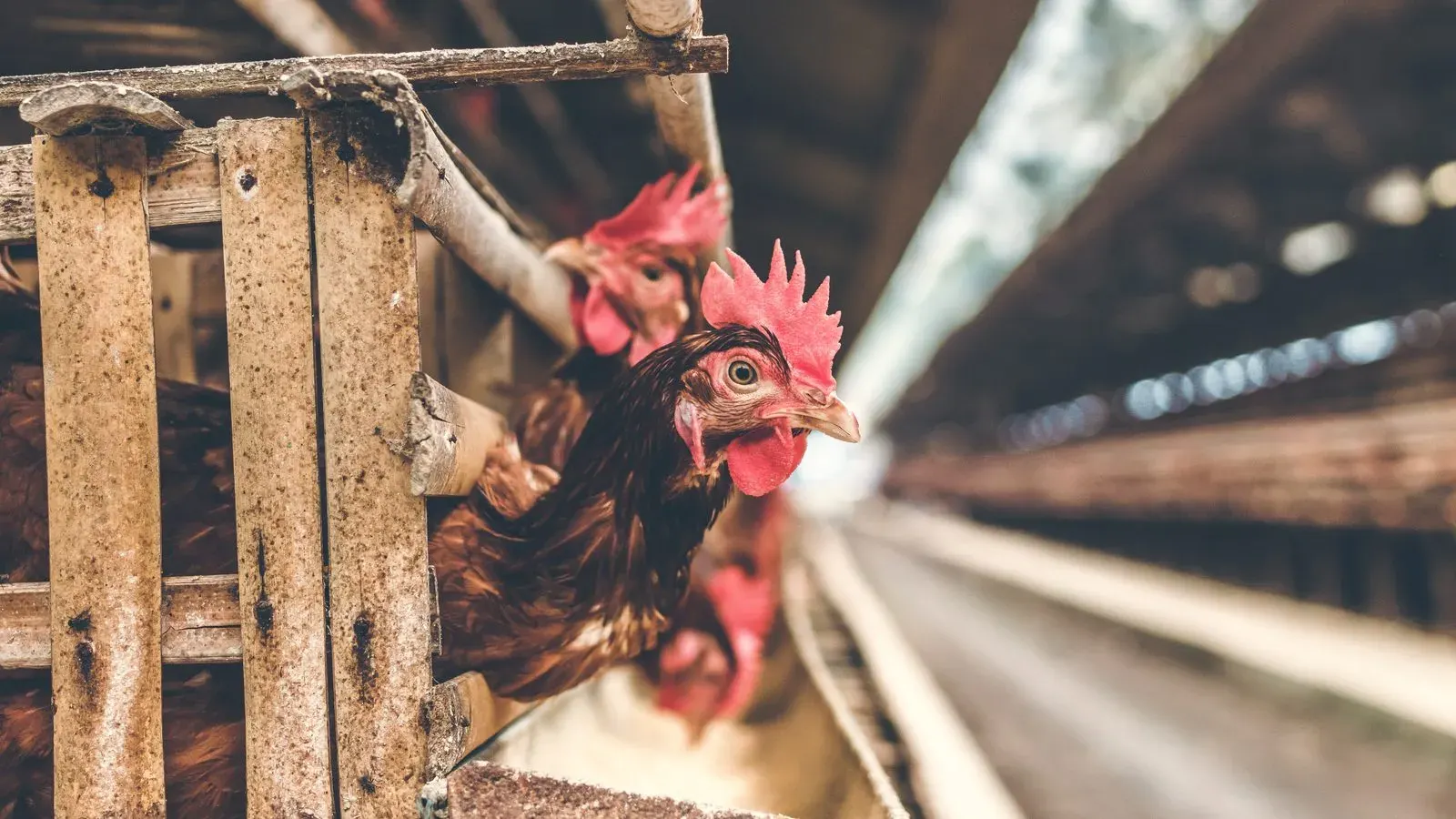
Start with the part nobody puts in a product title. A swollen, closed, foamy or bubbly eye in a chicken is usually not an eye problem. It is a sign of something else, most often a respiratory disease such as Mycoplasma gallisepticum or infectious coryza, or an ammonia burn from wet litter. Nothing on this page treats any of those, and no bottle sold to a backyard keeper should be asked to.
With that said, there is one job you can safely do at home, and it is worth doing well. Flushing dust, bedding chaff, feed particles and ammonia residue out of an irritated eye is real care. It is also the only thing most of these products actually claim to do once you read past the headline.
The specification we sorted on is the labelled species list, because a chicken eye is not a cow eye and the label tells you who the product was formulated and tested for. Only one product here names chickens. Two more include birds in a long list. The remaining three never mention a bird at all, and one of those is the largest bottle on the page.
Our picks at a glance
Every product below wins one specific situation. Pick the row that matches your flock, your yard and your budget rather than reading top to bottom.
-
Best Overall

Vetericyn Eye Wash 3-Pack
Keepers who want a clean flush on hand for dust, bedding chaff and minor eye irritation without pretending it treats disease.
Check price on Amazon for (3 Pack) Vetericyn Plus All Animal Eye Wash, 3 Ounces Per Pack on AmazonAbout $47.62 checked Aug 8, 2026
-
Best Poultry Labelled Bottle

VetThera Chicken Drops
Keepers who want a bottle formulated and labelled for poultry rather than one borrowed from the cattle shelf.
-
Best Large Bottle for a Mixed Barn

Vetericyn Pink Eye Spray
Smallholders running a mixed barn who want one large flush bottle covering goats, sheep and the chickens together.
-
Best Budget Bottle

Curicyn Pink Eye Solution
Keepers who want something in the first aid tin for minor eye irritation without spending much to find out if they will use it.
-
Best for the Skin Around the Eye

TPIRZ Pet Eye Cream
Keepers dealing with crusted discharge or sore skin on the feathers around a bird's eye rather than on the eye itself.
Check price on Amazon for Pet Eye Cream for Cats, Dogs, Puppies, Kittens, Horses, Cattle, Sheep, Birds - 1 Pack on AmazonAbout $9.99 checked Aug 8, 2026
-
Best Travel Size Tube
VetEye Eye Ointment
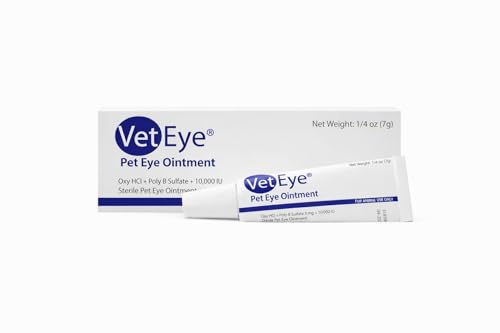
Keepers who want a very small ointment tube in a travel or show kit where space is the binding constraint.
Check price on Amazon for VetEye Cream Health for Dogs, Cats, Cattle, Sheep, Horse, Bird 3.5 Gr. 1 Tube on AmazonAbout $16.99 checked Aug 8, 2026
Compare every pick side by side
Swipe the table sideways to see every column on a phone.
| Product | Award | Price band | Form | Size | Labelled Species | Stated Use | How To Apply | Listing Note | Best use case | Buy link |
|---|---|---|---|---|---|---|---|---|---|---|
| Vetericyn Eye Wash 3-Pack | Best Overall | $30 to $60 | Liquid eye wash, 3-pack of bottles | 3 oz per bottle, 3 bottles | All animal per the title | Clean eye discharge from allergies or other eye problems, relief for burning, irritated or red eyes | Not stated | Described as a cost-effective alternative to medical eye drops, so it is a flush rather than a medicated treatment | Keepers who want a clean flush on hand for dust, bedding chaff and minor… | Check price for (3 Pack) Vetericyn Plus All Animal Eye Wash, 3 Ounces Per Pack on Amazon |
| VetThera Chicken Drops | Best Poultry Labelled Bottle | Under $30 | Liquid drops in a bottle | 15 mL (0.5 fl oz) | Chickens, ducks and birds | Supports eye health and clear vision, made in a GMP-certified facility | Not stated beyond bottle for precise application | Listing also claims it improves egg quality and enhances egg production, which is a marketing claim eye drops cannot be assumed to support | Keepers who want a bottle formulated and labelled for poultry rather than… | Check price for VetThera Chickens Eye Care Drops for Chickens, Ducks & Birds – Improve the Eye Health – Improve Egg Quality – Supports Clear Vision & Healthy Eyes – 15 mL (0.5 fl oz) on Amazon |
| Vetericyn Pink Eye Spray | Best Large Bottle for a Mixed Barn | $30 to $60 | Spray bottle with applicator | 16 oz | Cows, goats, pigs, sheep or any other livestock animal | Soothe conjunctivitis, redness, irritation and discharge | Three sprays twice daily to flush the affected eye | Non-toxic pH-balanced hypochlorous formula; poultry are not named on the listing, only livestock generally | Smallholders running a mixed barn who want one large flush bottle coverin… | Check price for Vetericyn Plus Livestock Pink Eye Spray | Conjunctivitis Relief for Animals, Safe and Non-Toxic Formula to Relieve Redness, Irritation, and Discharge. 16 Ounces on Amazon |
| Curicyn Pink Eye Solution | Best Budget Bottle | Under $30 | Liquid solution applied as drops, though one bullet calls it a gel-based ointment | 3 oz | Dogs, cats, horses, cows, goats and livestock generally | Pink eye and conjunctivitis relief, listing says it works in 1 to 3 days | Apply liberally to the affected area with good contact on the surface of the eye, repeat in 2 to 3 days if needed | Steroid-free and made in the USA, with 96 percent purified anolyte named as the active, spelled Acolyte in the bullet and Anolyte in the title. Poultry are not named anywhere on the listing | Keepers who want something in the first aid tin for minor eye irritation… | Check price for Curicyn Pink Eye Solution (3 oz), Dog Eye Drops, Conjunctivitis Eye Drops for Dogs, Cats, Livestock and Horses, Dog Eye Wash with Purified Anolyte, Safe and Soothing Dog Eye Drops for Infection on Amazon |
| TPIRZ Pet Eye Cream | Best for the Skin Around the Eye | Under $30 | Ointment in a squeeze tube | Not stated, sold as 1 pack | Cats, dogs, puppies, kittens, horses, cattle, sheep, birds | Routine external eye-area support, animal use only | Small amount around the eye area 2 to 4 times per day | Listing states the tube ships without a tamper-evident seal and may dispense quickly on first use | Keepers dealing with crusted discharge or sore skin on the feathers aroun… | Check price for Pet Eye Cream for Cats, Dogs, Puppies, Kittens, Horses, Cattle, Sheep, Birds - 1 Pack on Amazon |
| VetEye Eye Ointment | Best Travel Size Tube | Under $30 | Ointment in a tube | 3.5 g, one tube | Dogs, cats, cattle, sheep, horse, bird | Listing names conjunctivitis, keratitis, pink eye, corneal ulcer, blepharitis and bacterial inflammatory conditions | Apply topically to the eye 2 to 4 times daily as needed | Listing claims treatment of named eye diseases but does not state an active ingredient | Keepers who want a very small ointment tube in a travel or show kit where… | Check price for VetEye Cream Health for Dogs, Cats, Cattle, Sheep, Horse, Bird 3.5 Gr. 1 Tube on Amazon |
The full reviews
Each review below follows the same order: what it is, why it won its category, how it behaves in real use, and who should buy something else.
1 Best Overall
(3 Pack) Vetericyn Plus All Animal Eye Wash, 3 Ounces Per Pack
A plain eye wash for flushing dust, chaff and discharge off an irritated eye, which is the one job a keeper can safely do at home, and three sealed 3 oz bottles means one is always where you need it.
What we liked
- Does the one eye job a keeper can safely do at home, which is flushing debris away
- Three sealed 3 oz bottles let you keep one in the coop kit and two in reserve
- Small 3 oz bottles are easier to aim at a hen's eye than a 16 oz spray
- The listing is honest that this is an alternative to medicated drops rather than a medicine
- Unopened spare bottles do not sit half used going stale between incidents
What we did not
- This is a wash and treats nothing, so a bird with a respiratory infection needs a vet and this bottle will not buy you time
- The label says all animal and never names poultry, so you are extending it past its stated species list on your own judgement
- At about $5.29 per ounce it is the dearest per ounce of the three flushes on this page, so you pay for the format rather than for more product
- No application instructions are given at all, which matters when you are holding a struggling bird one handed
About $47.62 checked Aug 8, 2026
Key specifications
- Dimensions
- 6 x 2 x 5 in (L x W x H)
- Form
- Liquid eye wash, 3-pack of bottles
- Size
- 3 oz per bottle, 3 bottles
- Labelled Species
- All animal per the title
- Stated Use
- Clean eye discharge from allergies or other eye problems, relief for burning, irritated or red eyes
- How To Apply
- Not stated
- Listing Note
- Described as a cost-effective alternative to medical eye drops, so it is a flush rather than a medicated treatment
Why the Vetericyn Eye Wash 3-Pack wins this category
Not because it does the most. Because it does not pretend to do more than it does.
Read the listing and it describes itself as a cost effective alternative to medical eye drops, which is a fairly plain way of saying it is a flush. That matches the only eye job a backyard keeper can safely take on at home. A hen gets dust, bedding chaff, feed particles or a scratch in an eye, the eye waters and she keeps it half closed, and a clean flush carries the irritant off and lets it settle.
Everything else in this category either aims at diseases it cannot name an ingredient for, or is labelled for animals with very different eyes. This one stays inside what it can actually claim, and that is the reason it finishes first.
Living with the Vetericyn Eye Wash 3-Pack
Three 3 oz bottles is the right format for a flock. One lives in the coop first aid box, one in the house, one stays sealed. Small bottles also aim better than a 16 oz spray when you are holding a bird against your body with one arm and working with the other.
The technique matters more than the fluid. Tilt her head so the affected eye sits lowest, so what you flush runs out and away rather than across the good eye, then wipe the surrounding feathers with clean gauze and use a fresh piece for each bird.
The listing gives no application directions at all, so that method comes from general poultry handling guidance rather than from the bottle.
Where the Vetericyn Eye Wash 3-Pack falls short
It treats nothing, and that has to be said plainly. If the eye is swollen shut, if there is foam or bubbling at the corner, if the sinus below the eye is puffy or the bird is making any noise when she breathes, you are probably looking at a respiratory disease such as Mycoplasma gallisepticum or infectious coryza. Those need a veterinary diagnosis, and in the US bacterial cases are treated with prescription antibiotics under veterinary direction. Flushing while you wait and hope is how a treatable bird gets lost.
The label is the second issue. All animal is a marketing phrase, not a species list, and poultry are never named. Compare that with VetThera, which does name chickens.
Value is the third. Nine ounces across three bottles at $47.62 works out around $5.29 per ounce, against roughly $2.08 for the 16 oz Vetericyn Pink Eye Spray and about $2.66 for the 3 oz Curicyn. You are paying for the format and the sealed spares, not for more product.
Research based, not hands-on
Assessed on the listing's own description as a flush rather than a medicated drop, on the 3 oz bottle size and 3-pack format, on price per ounce against the other flushes here, and on published poultry health guidance about eye signs.
- Best for
- Keepers who want a clean flush on hand for dust, bedding chaff and minor eye irritation without pretending it treats disease.
- Skip it if
- You are looking for something that will clear an infection, because this is a cleaning product and delaying a vet visit with it costs the bird.
- The limitation to plan around
- A wash removes what is on the eye and nothing more. If the eye is swollen shut, foamy or paired with noisy breathing, stop and call a veterinarian.
2 Best Poultry Labelled Bottle
VetThera Chickens Eye Care Drops for Chickens, Ducks & Birds – Improve the Eye Health – Improve Egg Quality – Supports Clear Vision & Healthy Eyes – 15 mL (0.5 fl oz)
The only product on this page that names chickens on the label, in a dropper bottle sized for a small eye, which is worth something even though the listing's egg production claims are not.
What we liked
- The only product here that names chickens and ducks on the label
- A 15 mL dropper bottle suits the small target a chicken's eye actually is
- Drops are the easiest form to apply single handed while restraining a bird
- The listing states manufacture in a GMP-certified facility
- Fourth of the six products here on total price at $19.99, so the poultry label does not carry the biggest sticker
What we did not
- The listing claims improved egg quality and higher egg production, which eye drops cannot be assumed to support and which should not influence a purchase
- At $19.99 for 15 mL it is by far the dearest per mL of the four liquids on this page
- The stated use is supporting eye health and clear vision, so it treats no condition and is not a substitute for veterinary care
- No application method is given beyond the bottle allowing precise application, so dose and frequency are left to you
Key specifications
- Colour
- White
- Form
- Liquid drops in a bottle
- Size
- 15 mL (0.5 fl oz)
- Labelled Species
- Chickens, ducks and birds
- Stated Use
- Supports eye health and clear vision, made in a GMP-certified facility
- How To Apply
- Not stated beyond bottle for precise application
- Listing Note
- Listing also claims it improves egg quality and enhances egg production, which is a marketing claim eye drops cannot be assumed to support
Why the VetThera Chicken Drops earns its award
Because it is the only bottle here with a chicken on the label. That sounds like a small thing and it is not. Every other product in this guide was written for a different animal and then either extended to all animals or given a species list that reaches from kittens to cattle. A chicken's eye is small, sits on the side of the head and is swept by a third eyelid, and a formula designed around it is a different starting point from one designed around a cow.
The form suits the job too. A 15 mL dropper puts a measured amount on a target the size of a fingernail, which is easier to manage than a spray when you have a bird pinned under one arm.
Living with the VetThera Chicken Drops
The bottle is small enough to live in a coat pocket during a health check, and drops are the least alarming form for the bird. There is no propellant noise and no cold spray hitting her face.
The listing states GMP-certified manufacture, which is a process claim rather than an efficacy claim, but it is more than several products here offer.
Directions stop at the bottle allowing precise application. There is no dose and no frequency, so you are working from general handling sense: a drop or two on the affected eye, wipe the surrounding feathers with clean gauze, use fresh gauze per bird.
Where the VetThera Chicken Drops falls short
The listing overreaches. Alongside eye health it claims improved egg quality and enhanced egg production. We record that as a claim on the listing and nothing more. Laying is driven by daylight hours, age, breed, nutrition, moulting and stress, and there is no mechanism by which an eye product changes it. If your birds have stopped laying and have sore eyes, the sensible reading is that both are downstream of the same problem, usually disease or poor air quality in the coop.
Price per volume is the second issue. At $19.99 for 15 mL this works out around $1.33 per mL, by far the dearest per mL of the four liquids here. The 16 oz Vetericyn Pink Eye Spray is a different tool, but at roughly $0.07 per mL it is about nineteen times cheaper by volume.
Third, be clear on what it is. The stated use is supporting eye health and clear vision, which is a supportive claim, not a treatment claim. It is not a medicine and it is not an antibiotic. A swollen, closed or foamy eye still means a call to a vet, because those signs point at Mycoplasma gallisepticum, infectious coryza or an ammonia burn from wet litter, and none of those is handled with a supportive drop.
Research based, not hands-on
Assessed on the labelled species list, the 15 mL bottle size, the stated supportive use rather than a treatment claim, and the unsupported egg production claim on the listing, with price per mL compared against the other liquids here.
- Best for
- Keepers who want a bottle formulated and labelled for poultry rather than one borrowed from the cattle shelf.
- Skip it if
- You are buying on the egg production claims, because there is no basis to expect an eye product to change laying.
- The limitation to plan around
- A 15 mL bottle empties fast if you are treating several birds twice a day, so it suits one or two patients rather than a flock wide problem.
3 Best Large Bottle for a Mixed Barn
Vetericyn Plus Livestock Pink Eye Spray | Conjunctivitis Relief for Animals, Safe and Non-Toxic Formula to Relieve Redness, Irritation, and Discharge. 16 Ounces
Sixteen ounces of pH balanced hypochlorous flush at about $2.08 per ounce, the cheapest per ounce of the three flushes here, which is the bottle to own if goats and hens share one shelf.
What we liked
- 16 oz is the largest bottle here, so you flush freely instead of rationing
- Works out around $2.08 per ounce, the lowest of the three flushes on this page
- Discloses a pH balanced hypochlorous formula rather than hiding the chemistry
- Gives real directions, three sprays twice daily to flush the affected eye
- One bottle covers cows, goats, pigs and sheep as well as the coop
What we did not
- Poultry are never named on the listing, only livestock generally, so a hen is outside the stated species list
- A spray bottle is a blunt instrument on a hen's eye and the noise and pressure will make a nervous bird fight you
- The bottle is 8.25 in tall and weighs over a pound, so it does not live in a coop first aid tin
- It relieves irritation and discharge and treats no infection, so the underlying cause still needs diagnosing
Key specifications
- Dimensions
- 8.25 x 2.75 x 8.25 in (L x W x H)
- Weight
- 1.15 pounds
- Colour
- Multicolored
- Form
- Spray bottle with applicator
- Size
- 16 oz
- Labelled Species
- Cows, goats, pigs, sheep or any other livestock animal
- Stated Use
- Soothe conjunctivitis, redness, irritation and discharge
- How To Apply
- Three sprays twice daily to flush the affected eye
- Listing Note
- Non-toxic pH-balanced hypochlorous formula; poultry are not named on the listing, only livestock generally
Why the Vetericyn Pink Eye Spray suits a mixed barn
Volume and value. At 16 oz this is the biggest bottle on the page by a wide margin, and it works out around $2.08 per ounce, which is the lowest of the three flushes here. The Vetericyn Eye Wash 3-pack is roughly $5.29 per ounce and the 3 oz Curicyn about $2.66.
That difference changes behaviour. People ration a small bottle and under-flush, which is exactly the wrong instinct when the point is to carry debris off an eye. A large bottle means you keep going until the eye runs clear.
It also discloses its chemistry, describing a non toxic pH balanced hypochlorous formula. That is more than most of this category offers, and it is the reason it outranks the products here that name diseases and no ingredients.
Living with the Vetericyn Pink Eye Spray
The directions are usable, which sounds like a low bar and is not. Three sprays twice daily to flush the affected eye gives you a frequency and a quantity, where two products in this guide give you neither.
For a mixed holding it earns its shelf space. One bottle covers the goats, the sheep and the hens, and the same technique works across all of them: get the affected eye lower than the good one so what you flush runs out and away.
For chickens specifically, adapt it. A spray at close range startles a bird, so consider spraying onto clean gauze or into a cupped hand and applying from there. Use fresh gauze for every bird.
Where the Vetericyn Pink Eye Spray falls short
Poultry are not on the label. The listing names cows, goats, pigs, sheep and other livestock, and stops. That is the specification this guide sorts on, and it costs this product the top spot despite the size and the price. Using it on a hen means you are extending it past its own species list on your own judgement.
The delivery is the practical problem. A hen's eye is a small target on a head that moves fast, and pressurised spray at that distance is more force and more noise than the job needs. A wash bottle or a dropper is easier to control.
Storage is a minor irritation. At 8.25 in tall and over a pound this is a shelf bottle, not something that fits in a coop first aid tin next to the wound spray and the gauze.
And as with everything else here, it relieves rather than treats. Conjunctivitis in a chicken is usually the visible edge of a respiratory disease or an ammonia burn from wet litter. Flush the eye, then fix the bedding, then call a vet if it does not resolve quickly.
Research based, not hands-on
Assessed on the 16 oz size, the disclosed pH balanced hypochlorous formula, the stated three sprays twice daily directions and the livestock only species list, with price per ounce compared against the other flushes here.
- Best for
- Smallholders running a mixed barn who want one large flush bottle covering goats, sheep and the chickens together.
- Skip it if
- Chickens are the only animals you keep, because a 16 oz livestock spray is more bottle and more pressure than a hen's eye needs.
- The limitation to plan around
- The delivery is a spray, so plan on directing it into a cupped hand or onto gauze for a nervous bird rather than straight at her face.
4 Best Budget Bottle
Curicyn Pink Eye Solution (3 oz), Dog Eye Drops, Conjunctivitis Eye Drops for Dogs, Cats, Livestock and Horses, Dog Eye Wash with Purified Anolyte, Safe and Soothing Dog Eye Drops for Infection
The cheapest bottle on this page at $7.99, steroid free, and one of only two products here that names an active ingredient, though it spells that ingredient two different ways on its own listing.
What we liked
- Cheapest bottle in this guide at $7.99
- Names an active ingredient, 96 percent purified anolyte, which most of this category will not do
- Stated steroid free and made in the USA
- A 3 oz bottle at 4.75 in tall fits a coop first aid tin
- Gives directions, including applying liberally with contact on the eye surface
What we did not
- Poultry are never named on the listing, which runs from dogs and cats to horses, cows and goats and stops there
- The active is spelled Anolyte in the title and Acolyte in a bullet, so the listing cannot keep its own ingredient name straight
- One bullet calls it a gel based ointment while the rest of the listing treats it as a liquid applied as drops, so the form is not settled
- The listing says it works in 1 to 3 days, which sets an expectation that no wash should be asked to meet in a bird with an underlying infection
Key specifications
- Dimensions
- 1.5 x 1.5 x 4.75 in (L x W x H)
- Form
- Liquid solution applied as drops, though one bullet calls it a gel-based ointment
- Size
- 3 oz
- Labelled Species
- Dogs, cats, horses, cows, goats and livestock generally
- Stated Use
- Pink eye and conjunctivitis relief, listing says it works in 1 to 3 days
- How To Apply
- Apply liberally to the affected area with good contact on the surface of the eye, repeat in 2 to 3 days if needed
- Listing Note
- Steroid-free and made in the USA, with 96 percent purified anolyte named as the active, spelled Acolyte in the bullet and Anolyte in the title. Poultry are not named anywhere on the listing
Why the Curicyn Pink Eye Solution is the budget pick
Price and disclosure, in that order. At $7.99 it is the cheapest bottle on this page, under half the $16.99 VetEye tube and under a fifth of the $47.62 Vetericyn wash 3-pack. For a keeper who wants something in the tin for the first time a hen squints, that is a low cost decision.
It also names its active, and in this category that is unusual. Ninety six percent purified anolyte is a stated formula you can go and read about, where VetEye names four eye diseases and no ingredient at all. Steroid free is worth noting too, since it removes one category of interaction to think about.
The 3 oz bottle at 4.75 in tall is a practical size. It fits a coop first aid tin alongside gauze and a wound spray.
Living with the Curicyn Pink Eye Solution
The directions are more usable than most here. Apply liberally to the affected area with good contact on the surface of the eye, and repeat in 2 to 3 days if needed. That gives you a method and a rhythm.
For a hen, adapt as usual. Tuck her body under one arm, tilt her head so the affected eye is lowest, apply, then wipe the surrounding feathers with clean gauze and use a fresh piece for each bird.
Cost per ounce lands around $2.66, between the 16 oz Vetericyn spray at roughly $2.08 and the Vetericyn wash 3-pack at about $5.29.
Where the Curicyn Pink Eye Solution falls short
No bird appears anywhere on the label. The species list runs dogs, cats, horses, cows, goats and livestock generally. That is the specification this guide sorts on, and it is why a cheaper bottle finishes behind three dearer ones. You can still use it on a hen, but you are making that call yourself.
The listing then undermines its own best feature. The active is written as Anolyte in the title and Acolyte in a bullet. Those are not the same word, and a listing that cannot spell its own active consistently is a listing to read sceptically. A second bullet calls the product a gel based ointment while the rest of it reads as a liquid applied as drops.
Finally, the works in 1 to 3 days line is worth ignoring. A wash cleans an eye and does not clear an infection. If a chicken's eye is swollen shut, foamy or paired with facial puffiness or noisy breathing, you are almost certainly looking at a respiratory disease or an ammonia burn from wet litter, and that is a veterinary conversation rather than a three day wait.
Research based, not hands-on
Assessed on the stated 96 percent purified anolyte active, the 3 oz size and price, the mammal only species list, and the listing's internal contradictions on ingredient spelling and product form.
- Best for
- Keepers who want something in the first aid tin for minor eye irritation without spending much to find out if they will use it.
- Skip it if
- You want a formula written for birds, because this one names six mammal species and no bird at all.
- The limitation to plan around
- The listing contradicts itself on both the ingredient spelling and the form, so treat the details as approximate and the product as a general purpose flush.
5 Best for the Skin Around the Eye
Pet Eye Cream for Cats, Dogs, Puppies, Kittens, Horses, Cattle, Sheep, Birds - 1 Pack
The only product here that is honest about staying outside the eye, which makes it the right tool for crusted discharge on the surrounding feathers and the wrong one for anything happening on the eye surface itself.
What we liked
- States plainly that it is for the eye area rather than inside the eye, which is a more honest boundary than most of this category draws
- Names birds within its labelled species list
- An ointment stays put on skin and feathers instead of running off like a flush
- Gives a usable frequency, a small amount 2 to 4 times per day
- Costs $9.99, the second cheapest product on this page
What we did not
- It is for the skin around the eye, so it does nothing for irritation on the eye surface, which is the reason most keepers go looking
- The listing states the tube ships without a tamper evident seal, so you cannot confirm it is unopened
- The listing also warns it may dispense quickly on first use, which wastes product and risks a heavy blob on a bird's face
- No size is given at all, sold only as one pack, so you cannot work out what you are paying per gram
About $9.99 checked Aug 8, 2026
Key specifications
- Size
- Not stated, sold as 1 pack
- Weight
- 0.00881849048 pounds
- Colour
- Yellow
- Form
- Ointment in a squeeze tube
- Labelled Species
- Cats, dogs, puppies, kittens, horses, cattle, sheep, birds
- Stated Use
- Routine external eye-area support, animal use only
- How To Apply
- Small amount around the eye area 2 to 4 times per day
- Listing Note
- Listing states the tube ships without a tamper-evident seal and may dispense quickly on first use
Why the TPIRZ Pet Eye Cream is worth knowing about
For one sentence on its listing. It says it is for routine external eye area support, which means the skin and feathers around the eye and not the eye surface itself.
That is a smaller claim than anything else here makes, and it is the reason this product is in the guide. When a bird has had a weeping eye for a day or two, the discharge dries on the feathers below and at the corner, and the skin underneath gets sore and crusted. A flush runs straight off that. An ointment stays where you put it.
It also names birds in its species list, which puts it ahead of the two Vetericyn products and the Curicyn solution on the specification this guide sorts on.
Living with the TPIRZ Pet Eye Cream
Application is simple enough with a second pair of hands. Restrain the bird with her body under one arm, clean the crusted area first with warm water and clean gauze, then work a small amount into the skin around the eye. The listing says 2 to 4 times per day.
Keep it out of the eye itself. That is not a caution we have added, it is the boundary the product sets for itself.
A tube travels better than a bottle, so this is easy to keep in a coop first aid tin, and at $9.99 it is the second cheapest product on this page after the $7.99 Curicyn.
Where the TPIRZ Pet Eye Cream falls short
The scope is the obvious limit. Most people searching for chicken eye drops have a bird with a watery, half closed or swollen eye, and this product does not go on the eye. It handles the aftermath, not the cause. You will still want a flush, and probably a conversation with a vet.
The packaging notes are the second concern, and they come from the listing itself. It states the tube ships without a tamper evident seal, so you cannot confirm the tube has not been opened before it reached you. That matters more for something going near an eye than for most products. It also warns that it may dispense quickly on first use, so squeeze gently the first time or you will put far more on the bird than you intended.
There is no stated size anywhere. One pack, no grams, no ounces. That makes any value comparison impossible, and it means you cannot tell whether the tube will last a season or a week.
As with everything on this page, it is not a treatment for disease. Discharge around the eye in a chicken usually points at a respiratory infection or an ammonia burn from wet litter, and those need a diagnosis rather than a cream.
Research based, not hands-on
Assessed on the stated external eye area use, the labelled species list including birds, the 2 to 4 times daily direction and the listing's own warnings about the missing tamper seal and fast first dispense.
- Best for
- Keepers dealing with crusted discharge or sore skin on the feathers around a bird's eye rather than on the eye itself.
- Skip it if
- The problem is on the eye surface, because this product explicitly stays outside it and a flush is the correct tool.
- The limitation to plan around
- There is no stated size on the listing, so you are buying a tube of unknown volume and cannot compare cost against anything else here.
6 Best Travel Size Tube
VetEye Cream Health for Dogs, Cats, Cattle, Sheep, Horse, Bird 3.5 Gr. 1 Tube
A 3.5 g tube small enough to live in a pocket, and the listing that makes the biggest disease claims on this page while stating no active ingredient at all, which is why it finishes last on disclosure.
What we liked
- A 3.5 g tube fits a pocket or a coop first aid tin with room to spare
- Names bird in its labelled species list
- Ointment stays in place better than a liquid on a bird that shakes her head
- Gives a stated frequency of 2 to 4 times daily
- The 4 x 1 x 1 in box takes almost no room in a travel kit
What we did not
- The listing names conjunctivitis, keratitis, corneal ulcer and blepharitis while stating no active ingredient at all, so there is nothing you can check the claims against
- A corneal ulcer is a serious veterinary problem and an over the counter tube making that claim should not delay a vet visit
- At $16.99 for 3.5 g it costs more than twice the $7.99 Curicyn bottle for a fraction of the material
- A tiny tube empties fast if you are treating twice daily, so it is a single patient product rather than a flock one
About $16.99 checked Aug 8, 2026
Key specifications
- Dimensions
- 4 x 1 x 1 in (L x W x H)
- Weight
- 0.00881849048 pounds
- Colour
- Clear
- Form
- Ointment in a tube
- Size
- 3.5 g, one tube
- Labelled Species
- Dogs, cats, cattle, sheep, horse, bird
- Stated Use
- Listing names conjunctivitis, keratitis, pink eye, corneal ulcer, blepharitis and bacterial inflammatory conditions
- How To Apply
- Apply topically to the eye 2 to 4 times daily as needed
- Listing Note
- Listing claims treatment of named eye diseases but does not state an active ingredient
Why the VetEye Eye Ointment is in this guide
Size, mostly. A 3.5 g tube in a 4 x 1 x 1 in box is the smallest stated size on this page, and it disappears into a show bag, a truck glovebox or a pocket. If you take birds off the property and want something on hand without carrying bottles, that is a genuine use case.
It names bird in its species list, which is more than the two Vetericyn products or the Curicyn solution do. The form is sensible too, since an ointment stays put on a bird that shakes her head, where a drop is gone in a second.
That is the honest extent of the case for it.
Living with the VetEye Eye Ointment
Directions are given, at 2 to 4 times daily as needed, applied topically to the eye. With a bird that means a helper, a firm hold with her body tucked under one arm, and a very small amount.
At 3.5 g the tube does not last. Twice daily on one bird for a week will make a visible dent, and there is no larger size offered. This is a one patient product.
Price against volume is poor. It costs $16.99 where the 3 oz Curicyn bottle is $7.99, and you are getting a few grams rather than ounces. What you are paying for is the format.
Where the VetEye Eye Ointment falls short
The disclosure gap is the whole problem, and it is a large one. The listing names conjunctivitis, keratitis, pink eye, corneal ulcer, blepharitis and bacterial inflammatory conditions. It does not state a single active ingredient. That is the widest gap between claim and evidence on this page, and it is why this finishes sixth here despite naming birds on the label.
Corneal ulcer deserves a specific warning. It is a serious condition, it can progress quickly, and in a bird it needs a veterinary examination and proper treatment. An over the counter tube claiming to handle it is exactly the kind of product that delays the right decision. The same goes for the bacterial claim: in the US, bacterial infections in poultry are treated with prescription antibiotics under veterinary direction, and no unlabelled ointment substitutes for that.
Read the rest of the listing the same way. If a product will name four eye diseases and no formula, treat every claim on it as unverified and treat the tube as a comfort measure for skin and discharge rather than as any kind of treatment. If a bird's eye is swollen shut, foamy or paired with facial swelling, call a vet and fix the coop bedding while you wait.
Research based, not hands-on
Assessed on the 3.5 g size, the labelled species list, the stated 2 to 4 times daily frequency, and the gap between the named eye conditions on the listing and the complete absence of any disclosed active ingredient.
- Best for
- Keepers who want a very small ointment tube in a travel or show kit where space is the binding constraint.
- Skip it if
- You want to know what you are putting in a bird's eye, because this listing names diseases and no ingredients whatsoever.
- The limitation to plan around
- The disease list on the front of this listing is not backed by any stated formula, so treat everything it claims as unverified and see a vet for the conditions it names.
How we compared these eye treatments
We sorted on disclosure, not on claims, because in this category the two run in opposite directions.
The first column was the labelled species list. VetThera names chickens, ducks and birds. TPIRZ names birds within a list that runs from kittens to cattle. VetEye names bird in the same style. The Vetericyn Plus Eye Wash says all animal in its title without naming a species. The Vetericyn Pink Eye Spray names cows, goats, pigs and sheep and stops at livestock. Curicyn names dogs, cats, horses, cows, goats and livestock, and never a bird.
The second column was whether an active ingredient is stated. Curicyn names purified anolyte at 96 percent, though it spells the same word two ways, Anolyte in the title and Acolyte in a bullet. The Vetericyn Pink Eye Spray describes a pH balanced hypochlorous formula. VetEye names conjunctivitis, keratitis, corneal ulcer and blepharitis on the front of the listing and states no active ingredient at all, which is why it finishes last here despite making the boldest claims.
Then form, size and price per unit, and finally what each listing promises against what it is willing to disclose.
What a swollen chicken eye usually means
This is the part to read before the product section.
An eye problem in a chicken is usually a symptom. Respiratory disease is the most common cause of the swollen, closed or foamy eye that sends people searching for drops, and Mycoplasma gallisepticum and infectious coryza are the two names to know. Both spread through a flock. Both need a diagnosis. Neither is fixed by anything sold on this page.
Ammonia is the second cause and it is entirely within your control. Wet litter under a roost releases ammonia at bird height, and it burns the eye surface. The tell is that several birds are affected at once and the coop smells sharp when you open it in the morning.
Injury is the third. One bird, one eye, usually a peck during a squabble or a scratch from bedding. This is the case where a clean flush genuinely helps.
Be honest with yourself about which one you are looking at, because only the third is a home job.
What actually matters in an eye product for chickens
The labelled species list
A label is a manufacturer telling you who the product was made for. Read it as a boundary rather than a suggestion. When a formula names cattle and sheep, it was designed around a large eye that can take a heavier flush, on an animal that will tolerate handling differently from a hen.
None of that means a livestock wash is dangerous in a chicken's eye. It means you are extending the product past its label on your own judgement, and you should know you are doing it.
Whether an active ingredient is disclosed
A product that tells you what is in it can be checked. A product that names four eye diseases and no ingredient cannot. That asymmetry decided several positions in this guide.
The pattern to watch is claims running ahead of disclosure. The more specific the disease list on the front, the more you should want to see the formula on the back.
Form, and the difference between a wash and a treatment
A wash or a flush is a cleaning product. It carries debris, discharge and irritant off the eye surface, and it makes the bird more comfortable. It does not treat an infection.
An ointment stays in place longer and suits the skin around the eye rather than the eye itself. TPIRZ is explicit that it is for the eye area, not inside the eye, which is a more honest position than several bottles here take.
Drops sit in between and are the easiest form to apply to a small eye single handed.
Size and price per unit
Size decides how freely you flush, and people under-flush when a bottle feels precious. The 16 oz Vetericyn Pink Eye Spray is the largest here and the cheapest per ounce of the three flushes at about $2.08. The Vetericyn Eye Wash 3-pack works out around $5.29 per ounce, the worst of the three. The 15 mL VetThera is by far the dearest per mL of the four liquids on this page.
Fix the coop before you buy a bottle
If you take one action from this guide, make it this one.
Get the litter dry. Damp bedding under the roost is where coop ammonia comes from, and ammonia irritates eyes and airways before you can smell it at standing height. Crouch to bird level in the morning before you open anything up. If your eyes sting, so do theirs.
Then check ventilation. You want a permanent opening high up, above roost height, so warm damp air leaves without blowing across the birds. Ventilation is what carries moisture out, and moisture is what makes litter wet in the first place.
Then look at density and dust. Too many birds in too little space raises humidity and ammonia together. Very fine, dusty bedding puts particles straight into open eyes.
A wash helps a bird that has already been irritated. Dry litter and a working vent stop the next one.
Final recommendation
The Vetericyn Plus All Animal Eye Wash 3-Pack is the sensible buy for most keepers, because flushing an irritated eye is the one job you can do at home with confidence, and having three sealed bottles means one in the coop kit, one in the house and one spare. Be clear about what you are buying: a flush that cleans, not a medicine that treats.
If you want the only bottle here with chickens on the label, the VetThera Chicken Drops is that product at $19.99, provided you ignore the egg production claims entirely. For a mixed barn where several species share one shelf, the Vetericyn Pink Eye Spray gives you 16 oz and the lowest cost per ounce of the flushes here, though poultry are not named on it. And on the tightest budget the Curicyn Pink Eye Solution is the cheapest bottle on this page at $7.99, with the caveat that it names no bird anywhere.
Whichever you pick, none of them is a treatment for disease. If the eye is swollen shut, foamy or paired with noisy breathing, stop shopping and call a vet.
Questions people ask before buying
Why does the labelled species list matter so much?
Because it tells you who the formula was made for and who the manufacturer is prepared to stand behind. A chicken eye is small, sits on the side of the head and has a third eyelid that sweeps across it, so a product designed around a cow's eye is being used outside its brief when you put it on a hen. On this page only VetThera names chickens. TPIRZ and VetEye include birds in a long species list. The two Vetericyn products and Curicyn never mention a bird at all. That does not automatically make them unsafe, but it does mean you are the one deciding, not the label.
What causes a swollen or closed eye in a chicken?
The common causes are respiratory disease, ammonia irritation and physical injury. Mycoplasma gallisepticum and infectious coryza both produce swelling around the eye and face, often with a discharge, a smell or noisy breathing. Ammonia from wet, deep litter burns the eye surface directly and usually shows up in several birds at once. Injury from a peck or a scratch affects one bird and one eye. The pattern is the clue: several birds means environment or infection, one bird means injury. All of them are a reason to talk to a vet rather than to guess.
Can I use these instead of antibiotics?
No. None of these products is an antibiotic and none should be treated as a substitute for one. In the US, bacterial infections in poultry are treated with prescription antibiotics under veterinary direction, and the rules on medically important antibiotics in food producing animals exist for a reason. A wash cleans an eye. A supplement supports general condition. Neither one clears a bacterial infection, and delaying proper treatment while you work through bottles is how a treatable bird becomes a lost one.
Do chicken eye drops improve egg production?
There is no basis to assume they do. The VetThera listing includes claims about improving egg quality and enhancing egg production, and we record that as a listing claim rather than a fact. Egg output is driven by daylight hours, age, breed, nutrition, moulting and stress, not by what you put in a bird's eye. If your flock's laying has dropped and eyes are involved, the sensible reading is that both are symptoms of the same underlying problem, usually disease or poor air quality.
How do I flush a chicken's eye safely?
Hold the bird firmly with her body tucked under one arm and her head steady, and work with a helper if she is strong. Tilt her head so the affected eye is lowest, which lets fluid run out and away rather than across the good eye. Apply the wash to the eye surface and let it run, then wipe the surrounding feathers with a clean cloth or gauze. Use a fresh cloth for every bird so you do not carry anything between them. Stop and reassess if the bird panics, and never force an eyelid open that is stuck shut with discharge.
When should I call a vet about a chicken's eye?
Call sooner than feels necessary. A vet is the right answer if the eye is swollen shut, if there is foam or bubbles at the corner, if the face or sinus below the eye is puffy, if there is any noise in the bird's breathing, if more than one bird is affected, or if a single irritated eye has not clearly improved within a day or two of flushing and fixing the bedding. Foamy eyes and facial swelling in particular point at respiratory disease, which spreads through a flock and needs a diagnosis rather than a bottle.
Why you can trust this guide
- Written by
- Marta Voss, Editor and fact checker, Chicken Geek. Specialist areas: Editorial fact checking, Chick brooding and starter nutrition, Small-flock husbandry, Feed labels and nutrition claims.
- Fact checked by
- Sam Reddick
- Published
- August 8, 2026 · Last updated August 8, 2026 · Products and links rechecked August 8, 2026
- How we picked
- Products were sorted first on the labelled species list, because that is the clearest signal of what a formula was actually made for, then on whether an active ingredient is disclosed at all, on form and size against the job of flushing an eye, on stated application instructions, and on how far each listing's claims run ahead of what it discloses.
- Evidence used
- None of the 6 products on this page were sent to us or bought for a hands-on test. Every recommendation here is research based: manufacturer specifications, listed dimensions and materials, owner feedback at volume, and comparison against equipment our team has owned. Each review states this again above the buy button so you are never guessing which kind of evidence sits behind a pick.
- Editorial standards
- No brand pays for placement, and no manufacturer sees this page before it goes live. Read our editorial policy and testing method.
- Affiliate disclosure
- Chicken Geek is reader supported. We earn a commission from qualifying purchases made through links on this page, at no extra cost to you, and no brand has paid for a placement or an award here.
About the author

Editor and fact checker, Chicken Geek
Marta edits every guide on Chicken Geek and checks that each claim can be traced back to a manufacturer specification, a published standard or a stated first-hand observation. She keeps a small backyard flock of six hens and has raised chicks from day one for eight seasons.
- Eight seasons raising chicks from day-old to point of lay
- Checks every specification in a Chicken Geek guide against the manufacturer listing
- Removes any testing claim that cannot be backed up
- Keeps a flock of six hens in a suburban backyard