We Compared 6 Organic Feeds on Form, Protein and Cost per Pound
We compared six certified organic rations on feed form, stated protein and real cost per pound, because a pellet is the only shape hens cannot sort.

By Sam Reddick Lead gear reviewer, Chicken Geek
Fact checked by Marta Voss
Published Prices and stock checked 7 min read
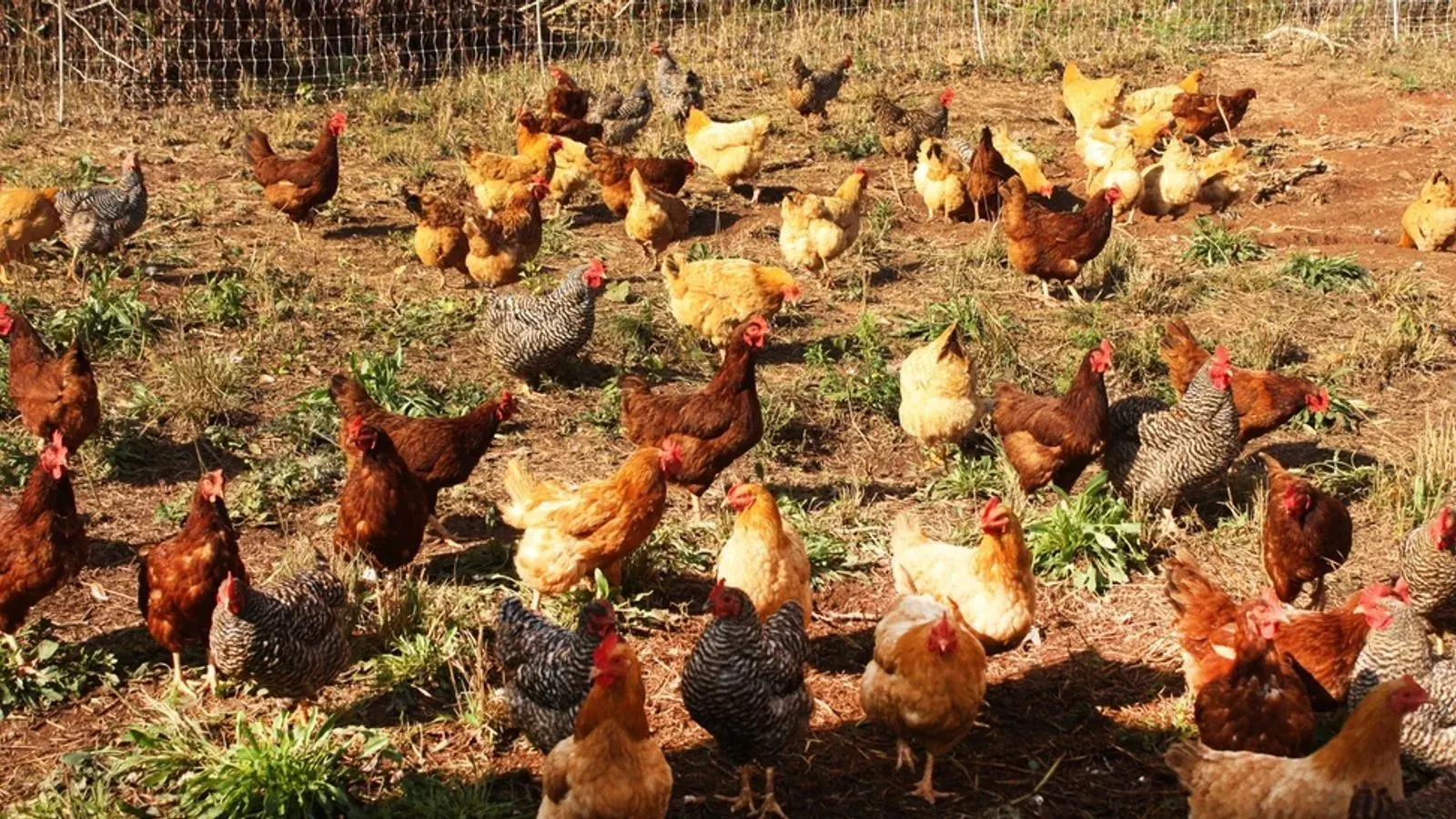
Organic feed costs roughly twice what a conventional bag costs, so every pound your hens flick onto the floor costs twice as much as it used to. That changes which specification matters most, and it is not the one on the front of the sack.
The deciding specification is the physical form of the feed. Hens sort. Given a mash or a classic grind they pick out the corn and the peas and sweep the fine vitamin and mineral dust over the lip of the trough, and that dust is where most of the added nutrition lives. A pellet cannot be sorted, because every pellet is the whole ration pressed together. Four of these six are pelleted. Two are not, and both need either a deep sided trough or fermenting before the money adds up.
The second thing worth doing before you buy is dividing the price by the bag weight. It reorders this list completely. The heaviest sticker price here is also the cheapest feed per pound, and the smallest sticker price works out at $10 a pound.
Our picks at a glance
Every product below wins one specific situation. Pick the row that matches your flock, your yard and your budget rather than reading top to bottom.
-
Best Overall
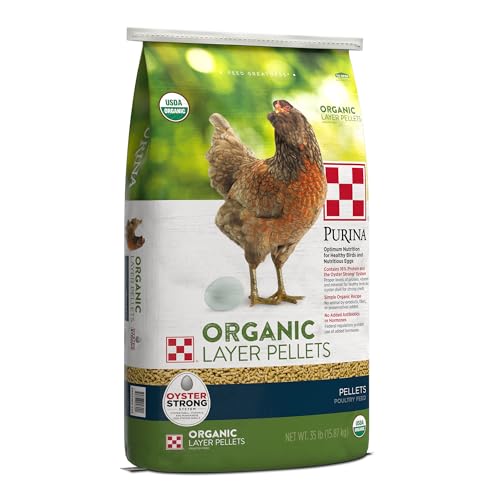
Purina Organic Layer
Keepers who want certified organic feed for laying hens at the lowest cost per pound and are happy to handle the bigger sack.
Check price on Amazon for Purina® Organic Layer Pellets, 35 lb on AmazonAbout $53.99 checked Aug 8, 2026
-
Best for Keepers Who Read the Full Label

Pink Rose Organix
Keepers who want corn and soy both out of the ration and want to see fat and fibre printed, not just protein.
-
Best Value in a 25 lb Bag
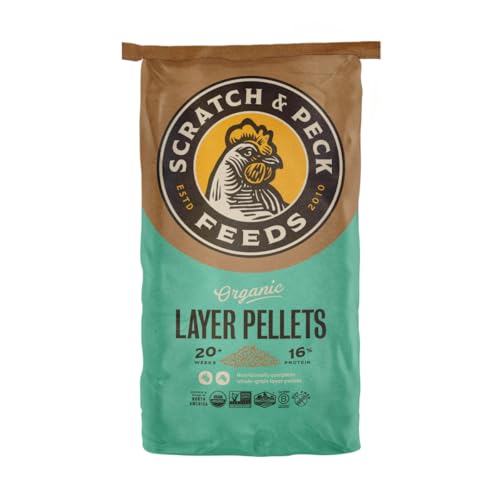
Scratch and Peck Layer
Keepers who want a certified organic layer pellet at the lowest price among the 25 lb bags and keep ducks alongside hens.
Check price on Amazon for Scratch and Peck Feeds | Layer Pellets for Chickens & Ducks | 25 lb Bag on AmazonAbout $44.99 checked Aug 8, 2026
-
Best If You Already Buy Kelp and Probiotics

New Country Classic
Keepers who ferment feed or use a deep sided trough and already spend money on kelp and probiotic supplements separately.
-
Best for Growing Pullets

S&P Grower Crumbles
Keepers raising organic pullets from about six weeks to point of lay, or running a mixed flock of birds that are not yet laying.
Check price on Amazon for Scratch and Peck Feeds | Grower Crumbles for Chickens & Ducks | 25 lb Bag on AmazonAbout $48.99 checked Aug 8, 2026
-
Best Trial Bag Before You Switch

Mile Four Sample Bag
Keepers who want to know whether a fussy flock will eat a corn free, soy free organic pellet before they pay for 25 lb of it.
Check price on Amazon for Mile Four Organic Chicken Feed, Layer Pellet, Non-GMO, USA Grown 2 lbs on AmazonAbout $19.99 checked Aug 8, 2026
Compare every pick side by side
Swipe the table sideways to see every column on a phone.
| Product | Award | Price band | Certification | Protein Percent | Life Stage | Form | Bag Size | Corn And Soy | Best use case | Buy link |
|---|---|---|---|---|---|---|---|---|---|---|
| Purina Organic Layer | Best Overall | $30 to $60 | Certified USDA Organic, made without pesticides, fertilizers or GMOs | 16% protein and 3.25% calcium | Layer | Pellet with the Oyster Strong System large-particle calcium | 35 lb | Not stated | Keepers who want certified organic feed for laying hens at the lowest cos… | Check price for Purina® Organic Layer Pellets, 35 lb on Amazon |
| Pink Rose Organix | Best for Keepers Who Read the Full Label | $30 to $60 | USDA Certified Organic, Non-GMO, no drugs or antibiotics | 17.5%, with 3.8% fat and 5% fibre | Layer | Pellet | 25 lb | Soy-free and corn-free | Keepers who want corn and soy both out of the ration and want to see fat… | Check price for Pink Rose Organix Layer Pellet Feed, 25lbs - Non-GMO, High-Protein Poultry Feed for Healthy Hens & Nutritious Eggs, 17.5% Protein - USDA Certified Organic Blend, Soy & Corn-Free on Amazon |
| Scratch and Peck Layer | Best Value in a 25 lb Bag | $30 to $60 | USDA Organic and Non-GMO Project Verified | Not stated | Layer, chickens and ducks | Pellet made from cracked grains and whole food ingredients | 25 lb | Soy-free, no medications or fillers. Corn not stated | Keepers who want a certified organic layer pellet at the lowest price amo… | Check price for Scratch and Peck Feeds | Layer Pellets for Chickens & Ducks | 25 lb Bag on Amazon |
| New Country Classic | Best If You Already Buy Kelp and Probiotics | $30 to $60 | Certified Organic and Non-GMO, grains sourced in North America | 17% | Layer | Classic grind, with probiotics and kelp | 25 lb | Soy-free, contains organic corn | Keepers who ferment feed or use a deep sided trough and already spend mon… | Check price for New Country Organics | Classic Layer Feed for Laying Hens | Soy-Free | 17% Protein | Certified Organic and Non-GMO | 25 lbs on Amazon |
| S&P Grower Crumbles | Best for Growing Pullets | $30 to $60 | USDA Organic and Non-GMO Project certified, no fillers or medications | 17% | Grower, chickens and ducks | Whole grain crumble | 25 lb | Corn-free and soy-free | Keepers raising organic pullets from about six weeks to point of lay, or… | Check price for Scratch and Peck Feeds | Grower Crumbles for Chickens & Ducks | 25 lb Bag on Amazon |
| Mile Four Sample Bag | Best Trial Bag Before You Switch | Under $30 | Certified organic and certified Non-GMO, non-medicated, USA grown grains | 16% | Layer | Pellet, also sold as whole grain and mash | 2 lb sample bag | Corn-free and soy-free | Keepers who want to know whether a fussy flock will eat a corn free, soy… | Check price for Mile Four Organic Chicken Feed, Layer Pellet, Non-GMO, USA Grown 2 lbs on Amazon |
The full reviews
Each review below follows the same order: what it is, why it won its category, how it behaves in real use, and who should buy something else.
1 Best Overall
Purina® Organic Layer Pellets, 35 lb
The cheapest feed per pound of the six at about $1.54, and it is a pellet, so nothing gets picked out and swept onto the floor. The catch is a label that stays quiet about corn and soy.
What we liked
- Works out at about $1.54 a pound, the lowest cost per pound of these six
- Pelleted, so a hen cannot sort out the grain and leave the vitamin dust
- A 35 lb sack means fewer part used bags going stale in a hot shed
- Certified USDA Organic, which is an audited claim with records behind it
What we did not
- At 16 percent this is the lowest stated protein here, which is thin for a flock going through an autumn moult
- The listing never states whether the ration contains corn or soy, so a soy avoider cannot confirm it from the label
- A 35 lb sack has to be lifted to chest height to tip into most feed bins, which rules it out for some keepers
About $53.99 checked Aug 8, 2026
Key specifications
- Dimensions
- 3 x 1 x 2 in (L x W x H)
- Weight
- 35 pounds
- Colour
- Multicolored
- Certification
- Certified USDA Organic, made without pesticides, fertilizers or GMOs
- Protein Percent
- 16% protein and 3.25% calcium
- Life Stage
- Layer
- Form
- Pellet with the Oyster Strong System large-particle calcium
- Bag Size
- 35 lb
- Corn And Soy
- Not stated
Why the Purina Organic Layer wins this category
Two things, and the second one surprises people.
It is a pellet. A pellet is the whole ration pressed together, so a hen gets the vitamin premix and the trace minerals whether she wants them or not. On an organic bag that is worth more than it sounds, because the powder a hen flicks out of a grind costs about twice what conventional powder costs.
And it is the cheapest feed per pound here, at about $1.54, even though $53.99 is the highest sticker price of the six. The 35 lb sack is doing that work. Every other full size bag on this page is 25 lb, and per pound they run from $1.80 up to $2.00.
Living with the Purina Organic Layer
A flock of six standard hens eats roughly 1.5 lb a day, so a 35 lb sack lasts about three weeks. That is a good match for how fast feed loses vitamin content once the bag is open.
Certification is the plain USDA Organic seal, which means audited records, no genetically modified grain and no synthetic pesticides or fertilizers on the crop. The listing also says made without pesticides, which overstates it. Organic rules permit some substances rather than banning everything, so read that phrase as shorthand for the seal and not as an extra guarantee.
Calcium is 3.25 percent with the large particle system Purina brands as Oyster Strong. Still put out crushed shell.
Where the Purina Organic Layer falls short
Sixteen percent protein is the lowest stated figure in this group. It is correct for a hen in steady lay, and it is on the thin side in autumn, when a bird is rebuilding a full coat of feathers out of protein while still being asked for eggs. Plan to supplement or switch for those six to eight weeks.
The bigger gap is the label. The listing never says whether there is corn or soy in the mix. Four of the other feeds here are explicit about it. If soy avoidance is the reason you went organic in the first place, this is not your feed and no amount of certification fixes that.
Then there is the sack itself. Thirty five pounds is a real lift, and tipping it into a bin without spilling half of it down the side takes two hands and a bit of height.
Research based, not hands-on
Assessed on the published guaranteed analysis, the stated form and bag weight, and price divided by weight against the other five organic feeds in this comparison.
- Best for
- Keepers who want certified organic feed for laying hens at the lowest cost per pound and are happy to handle the bigger sack.
- Skip it if
- You buy organic specifically to avoid soy, because this listing does not tell you whether there is any soy in the bag.
- The limitation to plan around
- The Oyster Strong System is a brand name for a large particle calcium in the pellet, not a substitute for oyster shell. Keep a separate dish of crushed shell available free choice, because an older or heavy laying hen needs more than any ration gives her.
2 Best for Keepers Who Read the Full Label
Pink Rose Organix Layer Pellet Feed, 25lbs - Non-GMO, High-Protein Poultry Feed for Healthy Hens & Nutritious Eggs, 17.5% Protein - USDA Certified Organic Blend, Soy & Corn-Free
The only feed here that prints fat and fibre alongside protein, and it is pelleted, corn free and soy free. You pay about $1.84 a pound for a label you can actually check.
What we liked
- Publishes 17.5 percent protein with 3.8 percent fat and 5 percent fibre
- Corn free and soy free, the only full size layer pellet here that states both
- Pelleted, so hens cannot pick the mix apart and leave the fine fraction
- USDA Certified Organic with no drugs or antibiotics in the ration
What we did not
- The high protein wording oversells 17.5 percent, which sits inside the normal 16 to 18 percent range for layer feed
- At about $1.84 a pound it costs roughly 20 percent more than the Purina pellet for a difference of 1.5 points of protein
- A 25 lb bag lasts a flock of six hens about 16 days, so you are buying more often than with a 35 lb sack
Key specifications
- Dimensions
- 22 x 13 x 4 in (L x W x H)
- Weight
- 25 pounds
- Certification
- USDA Certified Organic, Non-GMO, no drugs or antibiotics
- Protein Percent
- 17.5%, with 3.8% fat and 5% fibre
- Life Stage
- Layer
- Form
- Pellet
- Bag Size
- 25 lb
- Corn And Soy
- Soy-free and corn-free
Why the Pink Rose Organix earns its place
Because you can check it. Every other listing on this page gives you a protein figure at best, and one gives you no figure at all. Pink Rose Organix gives 17.5 percent protein, 3.8 percent fat and 5 percent fibre, and that is enough to tell whether a ration is built for laying hens or padded out.
It is also the only full size layer pellet here that states both corn free and soy free. New Country Classic is soy free but contains organic corn, and it is a grind rather than a pellet. Scratch and Peck Layer is soy free but does not say whether there is corn in it. The Mile Four pellet is corn free and soy free too, but it only comes as a 2 lb sample bag, so it is not a feed you can run a flock on.
So if your reason for buying organic is avoiding those two grains, this is the one that answers the question without you having to email anybody.
Living with the Pink Rose Organix
It is a pellet, which is the point. A hen at a trough of pellets cannot select. She eats the ration or she does not eat.
The bag is 25 lb, so a flock of six standard hens takes roughly 16 days to clear it at the usual quarter pound a bird a day. That is a good freshness window and a slightly annoying reorder cycle.
Corn free rations are a little lower in energy, so watch condition in a cold snap. Birds compensate by eating more, which means the bag empties faster than the calendar suggests, not that the feed is failing.
Where the Pink Rose Organix falls short
The wording. Calling 17.5 percent high protein is a stretch when standard layer rations run 16 to 18 percent. It is a perfectly good number and it is not a category of its own, and a keeper buying on that phrase for a moulting flock would be better served by a proper 20 percent moult ration or a protein treat.
The price is the other honest problem. At about $1.84 a pound this sits roughly 20 percent above the Purina pellet, and what you get for the difference is 1.5 points of protein plus the corn and soy answer. If you do not care about corn and soy, that is a lot of money for a small nutritional gap.
The 25 lb bag is the less efficient of the two full size formats here. Every 25 lb organic bag on this page costs more per pound than the single 35 lb sack, and that pattern holds across the category generally.
Research based, not hands-on
Assessed on the published guaranteed analysis, which is more complete than any other listing here, plus form, certification and price per pound against the five other feeds.
- Best for
- Keepers who want corn and soy both out of the ration and want to see fat and fibre printed, not just protein.
- Skip it if
- You are feeding a large flock on a budget, because at about $1.84 a pound it costs roughly 20 percent more per pound than the Purina sack.
- The limitation to plan around
- Corn free feed is lower in energy than a corn based ration, so birds eat a little more of it in cold weather to hold condition. Budget slightly above the usual quarter pound a bird a day through winter rather than assuming the bag will last the same number of days.
3 Best Value in a 25 lb Bag
Scratch and Peck Feeds | Layer Pellets for Chickens & Ducks | 25 lb Bag
The cheapest 25 lb bag here and the cheapest per pound of the 25 lb bags, at about $1.80. It is pelleted and doubly certified, but the listing never prints a protein figure.
What we liked
- The lowest priced 25 lb bag in this group at about $1.80 a pound
- USDA Organic and Non-GMO Project Verified, two separate audited claims
- Pelleted from cracked grains, so hens cannot sort the ration apart
- Rated for ducks as well as chickens, which suits a mixed waterfowl yard
What we did not
- No protein percentage is stated anywhere in the listing, which is a real gap in a feed sold as a layer ration
- Corn content is never confirmed, so it answers the soy question but not the corn question
- Cheaper per pound than the other 25 lb bags but still about 17 percent dearer than the 35 lb Purina sack
About $44.99 checked Aug 8, 2026
Key specifications
- Dimensions
- 25.5 x 13 x 4 in (L x W x H)
- Weight
- 25 pounds
- Certification
- USDA Organic and Non-GMO Project Verified
- Protein Percent
- Not stated
- Life Stage
- Layer, chickens and ducks
- Form
- Pellet made from cracked grains and whole food ingredients
- Bag Size
- 25 lb
- Corn And Soy
- Soy-free, no medications or fillers. Corn not stated
Why the Scratch and Peck Layer is the value pick
It is a pellet, it carries two audited certifications, and it is the cheapest of the 25 lb bags on this page at about $1.80 a pound.
The two certifications are worth separating. USDA Organic covers how the grain was grown and handled. Non-GMO Project Verified is a separate audit with its own testing thresholds. Plenty of feeds claim one. Carrying both means two organisations have looked at the supply chain.
The pellet is made from cracked grains and whole food ingredients rather than a fine flour, which is the Scratch and Peck house style. What matters for waste is only that it is pressed, so a hen cannot pick the corn out and leave the minerals.
Living with the Scratch and Peck Layer
It is rated for ducks as well as chickens, which matters if your yard is mixed. Ducks make a mess of any feed near water, so keep the trough away from the pool and expect to sweep.
A 25 lb bag runs a flock of six standard hens about 16 days at the usual quarter pound a bird a day. That is a comfortable freshness window.
It is soy free, and the listing says no medications or fillers, which is consistent with the certification rather than an extra claim on top of it.
Where the Scratch and Peck Layer falls short
The protein figure. There is not one. A layer feed sold without a stated protein percentage is asking you to trust the category name, and every other feed on this page prints a number. Sixteen percent and eighteen percent are different rations for different birds, and you cannot plan a moult, a heavy laying hybrid or a mixed age flock without knowing which one is in the sack.
Corn is the second gap. Soy free is stated. Corn is not mentioned either way, so anyone avoiding both grains has only half an answer here.
And the value framing has limits. It is the cheapest 25 lb bag, and at $1.80 a pound it still costs about 17 percent more per pound than the 35 lb Purina sack. Bag size is doing more for your feed bill than brand choice is.
Research based, not hands-on
Assessed on the published certification and form claims, the absence of a stated guaranteed analysis, and price per pound against the other five organic feeds here.
- Best for
- Keepers who want a certified organic layer pellet at the lowest price among the 25 lb bags and keep ducks alongside hens.
- Skip it if
- You need to know the exact protein figure, for example to plan a moult ration or to feed a high production hybrid.
- The limitation to plan around
- Because the protein figure is not published, you cannot tell whether this is a 16 percent or an 18 percent ration without contacting the mill. Check the printed tag on the sack when it arrives and keep it, because that tag is the only guaranteed analysis you will have.
4 Best If You Already Buy Kelp and Probiotics
New Country Organics | Classic Layer Feed for Laying Hens | Soy-Free | 17% Protein | Certified Organic and Non-GMO | 25 lbs
A 17 percent soy free grind with kelp and probiotics already mixed in, which saves buying two supplements separately. It is a grind, so it only works in a deep trough or fermented.
What we liked
- Kelp and probiotics are already in the mix, so two separate tubs come off your list
- States 17 percent protein, a point above the standard laying figure
- Soy free with grains sourced in North America, both stated on the listing
- Certified Organic and Non-GMO, so two audited claims rather than descriptive wording
What we did not
- A classic grind lets hens flick the fine vitamin and mineral fraction out of the trough, which is the most expensive part of an organic bag
- Contains organic corn, so it answers the soy question and fails the corn one
- At about $2.00 a pound it is the dearest full size bag here, roughly 30 percent above the Purina pellet
Key specifications
- Size
- 25 Pound (Pack of 1)
- Weight
- 25 pounds
- Colour
- Black
- Protein
- 17%
- Calcium
- Added calcium
- Form
- Classic grind, with probiotics and kelp
- Bag Size
- 25 lb
- Organic
- Yes, certified
- Soy Free
- Yes
- Certification
- Certified Organic and Non-GMO, grains sourced in North America
- Protein Percent
- 17%
- Life Stage
- Layer
- Corn And Soy
- Soy-free, contains organic corn
Why the New Country Classic suits some keepers
If you are already buying kelp and a probiotic and stirring them into feed by hand, this bag does that job for you.
Seventeen percent protein is a point above the standard laying figure, which is a sensible place to sit for a mixed age flock. It is soy free, the grain is sourced in North America, and it carries both organic and Non-GMO certification.
There is also a group of keepers this is genuinely built for: people who ferment. A grind soaked overnight into a wet mash is the form fermenting works best with, and fermented feed stops sorting completely because the birds cannot separate anything out of a porridge.
Living with the New Country Classic
Feeding format decides whether this is good value or bad value, and there is not much middle ground.
In a deep sided trough with a lip a hen cannot flick over, it is fine. Soaked into a mash and served in the morning, it is very good. Poured into a shallow open pan or a gravity port feeder, it will cost you money every single day, because the powder goes on the floor and the grain goes in the bird.
The 25 lb bag lasts a flock of six standard hens roughly 16 days, and a fermenting bucket takes a day of planning ahead.
Where the New Country Classic falls short
The form is the whole problem. A classic grind is exactly what hens are good at sorting, and what they leave behind is the vitamin premix, the trace minerals and part of the calcium. On a conventional bag that is a small annoyance. At about $2.00 a pound, the dearest full size bag here, that same handful on the floor costs real money every day.
It is also the dearest full size bag here per pound, roughly 30 percent more than the Purina pellet. You are paying that premium partly for the kelp and probiotic, so the maths only works if you were buying those anyway.
Corn is the last catch. Soy free is stated clearly, and organic corn is in the mix. Anyone avoiding both grains has to look at Pink Rose, the Scratch and Peck Grower or the Mile Four sample instead.
Research based, not hands-on
Assessed on the published guaranteed analysis, the stated grind form and its known sorting behaviour, ingredient claims, and price per pound against the other five feeds.
- Best for
- Keepers who ferment feed or use a deep sided trough and already spend money on kelp and probiotic supplements separately.
- Skip it if
- You feed from an open pan or a gravity port feeder, because a grind in either of those is a waste machine.
- The limitation to plan around
- The probiotics in a bagged feed are a general gut support ingredient, not a treatment for anything. If birds have loose droppings, are off feed or are losing weight, that is a vet question and not a feed question, and swapping bags will only delay the answer.
5 Best for Growing Pullets
Scratch and Peck Feeds | Grower Crumbles for Chickens & Ducks | 25 lb Bag
The right ration for organic pullets between chick starter and point of lay, at 17 percent protein, corn free and soy free. It is a whole grain crumble, so it needs a deep trough.
What we liked
- Formulated for growers, so it does not carry layer levels of calcium
- Corn free and soy free, so a soy avoiding flock does not have to break the rule while the pullets grow
- States 17 percent protein, which suits a bird still building frame and feather
- USDA Organic and Non-GMO Project certified, with no fillers or medications
What we did not
- A whole grain crumble is the easiest form here for a bird to sort, and pullets pick out the grain and leave the mineral fines
- Wrong ration for hens in lay, because it does not carry the calcium a laying bird needs for shells
- At about $1.96 a pound it is the second dearest full size bag in this group
About $48.99 checked Aug 8, 2026
Key specifications
- Dimensions
- 25.5 x 13 x 4 in (L x W x H)
- Colour
- Black
- Certification
- USDA Organic and Non-GMO Project certified, no fillers or medications
- Protein Percent
- 17%
- Life Stage
- Grower, chickens and ducks
- Form
- Whole grain crumble
- Bag Size
- 25 lb
- Corn And Soy
- Corn-free and soy-free
Why the S&P Grower Crumbles are the right pullet feed
Because the calcium is not in it, and that is the point of a grower ration.
A layer feed carries roughly 3 to 4 percent calcium so a hen can build shells. A pullet that has not started laying has no use for that, cannot store it and has to excrete it, and sustained excess calcium in a growing bird is associated with kidney damage. Feeding layer pellets to 12 week old birds because it was the bag in the shed is a common and avoidable mistake.
Seventeen percent protein is a sensible growing figure. It is corn free and soy free, and it carries both the organic and the Non-GMO audits. It is also the only grower ration on this page, because the other five bags are all layer feeds, so there is no like for like organic grower to weigh it against here.
Living with the S&P Grower Crumbles
Feed it from roughly six weeks through to the first egg, then move to a layer ration over seven to ten days.
Watch for the first egg rather than the calendar. Breeds mature at different rates, and a bird that starts laying on a grower ration will pull calcium out of her own bones to make shells if there is nothing else available. A dish of crushed oyster shell alongside the grower from about 16 weeks covers you either way, because a bird takes what she needs and ignores it when she does not.
It is rated for ducks as well as chickens, which is useful if you are raising both together.
Where the S&P Grower Crumbles fall short
The form. A whole grain crumble is loose pieces, and loose pieces are exactly what a bird sorts. Pullets are, if anything, worse at this than adult hens, because they are still learning what food is and they play with it. What ends up on the floor is the fine mineral and vitamin fraction, and at about $1.96 a pound that is expensive dust.
A deep sided trough fixes most of it. So does soaking it overnight into a wet mash, which pullets clear enthusiastically.
The second issue is scope. This is a growing ration and nothing else. The day your first pullet lays, this bag becomes the wrong feed for that bird, and if you are running a single mixed flock you either keep two bags going or you accept a compromise. It is also the second dearest full size bag on this page per pound, so keeping two bags going is not cheap.
Research based, not hands-on
Assessed on the published protein figure, the grower formulation and its calcium implications, the crumble form and its sorting behaviour, and price per pound against the five other feeds.
- Best for
- Keepers raising organic pullets from about six weeks to point of lay, or running a mixed flock of birds that are not yet laying.
- Skip it if
- Your birds are already laying, because a grower ration does not carry the calcium a hen needs to build shells.
- The limitation to plan around
- A whole grain crumble is not a pellet. Fed in a shallow pan the birds will throw the fine fraction out, so plan on a deep sided trough with a lip or on soaking it into a wet mash before it goes out.
6 Best Trial Bag Before You Switch
Mile Four Organic Chicken Feed, Layer Pellet, Non-GMO, USA Grown 2 lbs
A 2 lb certified organic layer pellet that exists so you can find out whether your hens will eat it before you buy a 25 lb sack. At $19.99 it works out at $10 a pound, so it is a taste test and nothing else.
What we liked
- A 2 lb bag lets you find out whether hens accept the pellet before committing to a full sack
- Corn free and soy free, so it answers the two questions most organic buyers are actually asking
- Certified organic and certified Non-GMO, non-medicated, with grain stated as USA grown
- Sold as pellet, whole grain and mash, so you can trial the form as well as the brand
What we did not
- At $19.99 for 2 lb this is $10 a pound, roughly six times the cheapest feed per pound on this page
- Two pounds is about eight bird days at a quarter pound a hen, so six hens clear it in a day and a third
- Too small to carry a proper seven to ten day changeover, which needs several pounds of the new feed
- States 16 percent protein, which ties Purina for the lowest stated figure here
About $19.99 checked Aug 8, 2026
Key specifications
- Dimensions
- 7 x 3.5 x 10 in (L x W x H)
- Weight
- 2 pounds
- Certification
- Certified organic and certified Non-GMO, non-medicated, USA grown grains
- Protein Percent
- 16%
- Life Stage
- Layer
- Form
- Pellet, also sold as whole grain and mash
- Bag Size
- 2 lb sample bag
- Corn And Soy
- Corn-free and soy-free
Why the Mile Four sample bag is on this list
Not as a feed. As a question you can answer for $19.99 instead of $45 to $54.
Hens are conservative about food. A flock that has eaten the same crumble for two years will stand and look at a new pellet for a day or two before deciding it counts as breakfast, and that is a normal reaction rather than a bad bag. The problem is finding that out with a full sack already in the shed.
Mile Four sells 2 lb of the same certified organic layer pellet so you do not have to. It is corn free and soy free, certified organic and certified Non-GMO, non-medicated, and the grain is stated as USA grown, which lines up with the reasons most people pay organic prices in the first place. The same feed is also sold as whole grain and mash, so if the pellet is refused you can trial a different form of the same ration rather than starting again with another brand.
Living with the Mile Four sample bag
Treat it as one meal, not one week.
At the usual quarter pound a bird a day, 2 lb is about eight bird days. Six standard hens will finish it in a day and a third. Three hens get four days out of it. That is enough to see whether birds eat it readily, and it is not enough to see anything else.
The useful way to spend it is mixed rather than neat. Put a quarter of it through the existing feed on day one and watch whether the pellets get left in the bottom of the trough. Birds that pick around them are telling you something before you have spent $50 finding out.
Sixteen percent protein and a plain layer formulation is what you would expect. It is the same figure Purina states, and it is the lowest stated protein on this page, which matters if your reason for shopping was a flock in moult.
Where the Mile Four sample bag falls short
The maths, if you mistake it for a feed. Nineteen ninety nine for 2 lb is $10 a pound. Every full size bag on this page runs between about $1.54 and $2.00 a pound, so you are paying roughly six times the cheapest rate per pound for the privilege of a small bag. That is a fair price for a trial and an absurd one for a flock.
The second problem is that it is too small to do the job it hints at. A proper feed change runs over seven to ten days, starting at a quarter new feed and working up, and six hens getting through 1.5 lb a day will need several pounds of the new ration before the changeover finishes. Two pounds covers the first taste and then stops, so you are ordering the 25 lb bag anyway and doing the transition off that.
And a one day trial only measures acceptance. Whether a ration actually suits your birds shows up in condition, droppings and lay rate over two or three weeks, which is a question no sample bag can answer.
Research based, not hands-on
Assessed on the stated bag weight and price, the published guaranteed analysis and certification, the pellet form, and price divided by weight against the five full size bags in this comparison.
- Best for
- Keepers who want to know whether a fussy flock will eat a corn free, soy free organic pellet before they pay for 25 lb of it.
- Skip it if
- You are buying feed to actually feed a flock, because two pounds is about a day of food for six hens at this price per pound.
- The limitation to plan around
- A one day taste test tells you whether birds will touch the pellet, not whether the ration suits them. Condition, droppings and lay rate take two to three weeks on a new feed to say anything useful, and this bag runs out long before then.
How we compared these organic feeds
We started with the physical form, because that is what decides how much of the bag ends up inside a hen. A pellet is the whole ration pressed together and cannot be picked apart. A classic grind and a whole grain crumble both can be, and what a hen leaves is the fine fraction carrying the vitamins and minerals.
Then we read the guaranteed analysis rather than the front of the bag. One of these six publishes protein, fat and fibre. One publishes no protein figure at all, which is a real gap in a layer feed.
We recorded certification claims separately from descriptive ones. USDA Organic and Non-GMO Project Verified are audited. Phrases like made without pesticides are not a separate claim, they are a loose restatement of the seal.
Finally we divided price by bag weight. Per pound the six run: Purina at $1.54, Scratch and Peck Layer at $1.80, Pink Rose at $1.84, Scratch and Peck Grower at $1.96, New Country at $2.00, and the Mile Four sample bag at $10.00.
What actually matters in an organic feed
Form, and why hens sort
Watch a hen at an open pan of grind for a minute. She does not eat from the top down. She flicks her beak sideways, throws the powder out, and takes the grain.
That behaviour is free on a conventional feed and expensive on an organic one. The powder she is throwing is the vitamin and mineral premix, the trace elements and, on a layer ration, part of the calcium.
A pellet removes the choice. Pink Rose, Scratch and Peck Layer, Purina and the Mile Four sample are all pelleted. New Country Classic is a classic grind and Scratch and Peck Grower is a whole grain crumble, and both are good feeds fed the right way: a deep sided trough that a hen cannot flick over the edge of, or fermenting them into a wet mash overnight, which also stops the sorting.
Protein, and the labels that skip it
Sixteen percent is the standard for a laying hen in normal production. Eighteen to twenty percent is genuinely useful through the autumn moult.
Purina states 16 percent, which is the lowest here. New Country and the Scratch and Peck Grower state 17 percent. Pink Rose states 17.5 percent and calls it high protein, which stretches the word, because normal layer feed already runs 16 to 18 percent. Scratch and Peck Layer states no protein figure at all in this listing, and in a layer feed that is worth knowing before you buy.
Corn and soy, and what organic does not mean
Organic and soy free are different claims and people conflate them constantly.
Pink Rose, Scratch and Peck Grower and Mile Four are corn free and soy free. New Country is soy free but contains organic corn. Scratch and Peck Layer is soy free and does not state whether there is corn in it. Purina does not state either way.
If soy avoidance is the reason you are buying organic, that last line is the whole decision.
Cost per pound, not cost per bag
The sticker price on these six ranges from $19.99 to $53.99, and it tells you almost nothing.
Purina is the highest sticker price of the six and the cheapest per pound, because the bag is 35 lb rather than 25 lb. The Mile Four bag is the lowest sticker price of the six and by far the most expensive per pound, because it is a 2 lb sample. It is a sensible thing to buy for a taste test before committing to a full sack, and a poor way to feed a flock.
Switching feed without a pause in laying
This is the part owners work out afterwards.
Change feed over seven to ten days. A quarter new for two or three days, then half, then three quarters, then all of it. Done in a single morning, a switch usually gives you runny droppings and a few days of fewer eggs, and the new bag gets the blame.
The same rule applies when the form changes as well as the brand. A flock that has eaten grind for a year takes a few days to work out that a pellet is food.
Final recommendation
Purina Organic Layer is the sensible default. It is pelleted, so nothing gets sorted, and at about $1.54 a pound it is the cheapest feed per pound in this group even though it is the dearest bag. Put a dish of crushed oyster shell next to it.
If you want a full label with fat and fibre printed alongside protein, and corn and soy both out, Pink Rose Organix is the one to read. If you already ferment or you feed from a deep trough and you want kelp and probiotics in the mix, New Country Classic earns its $2.00 a pound. For pullets that have not started laying, the Scratch and Peck Grower Crumbles are the right ration rather than a layer feed, because a growing bird cannot use layer levels of calcium.
Questions people ask before buying
Pellet, mash or whole grain for organic feed?
Pellet, unless you are set up for the alternatives. Every pellet contains the full ration, so a hen cannot eat the bits she likes and leave the rest. A mash or a classic grind lets her sort, and what she leaves behind is the fine vitamin and mineral fraction, which is the expensive part of an organic bag. Grinds and whole grain crumbles are still worth buying if you feed them in a deep sided trough or ferment them into a wet mash, because both stop the sorting. Fed loose in a shallow open pan, they waste money.
Does organic feed mean no pesticides at all?
No, and a few of these listings word it in a way that suggests otherwise. USDA Organic certification restricts which inputs a grower may use and requires records and inspection, and it rules out synthetic pesticides and fertilizers and genetically modified grain. It is not a promise that nothing was ever sprayed on the crop, because some substances are permitted under the organic rules. Treat the phrase made without pesticides as marketing shorthand and treat the USDA Organic seal as the claim that has an audit behind it.
Is organic feed better for my hens or my eggs?
There is no good evidence that certified organic feed makes a hen healthier or an egg more nutritious than a conventional ration built to the same protein and calcium figures. What organic certification reliably buys you is a known supply chain: no genetically modified grain, no synthetic pesticides or fertilizers on the crop, and no antibiotics in the mix. Those are legitimate reasons to pay more. Better eggs is not a claim we can support, and no maker on this page has published a study that would.
Why does organic chicken feed cost so much more?
Organic grain yields less per acre, costs more to grow and has to be kept separate from conventional grain right through storage and milling, and the certification itself costs the mill money every year. On this page the full size bags run between about $1.54 and $2.00 a pound, against roughly 50 to 70 cents a pound for a mainstream conventional layer ration. That gap is why feed form matters more on organic than it does on conventional: waste that you would shrug at on a cheap bag is real money here.
How much organic feed does a hen eat?
Budget about a quarter pound a bird a day for a standard sized laying hen, less for bantams and more in cold weather or during a moult. Six hens work through about 1.5 lb a day, which finishes a 25 lb bag in roughly 16 days and a 35 lb bag in about 23 days. Use that figure to pick a bag size rather than buying the biggest sack on offer, because feed loses vitamin content from the mill date and a bag that sits open in a hot shed for three months is weaker than the label says.
How do I switch my flock to a new feed?
Change it over seven to ten days rather than overnight. Start with about a quarter new feed mixed into the old, move to half after a few days, then three quarters, then all new. A sudden switch upsets the gut and usually shows up as runny droppings and a pause in laying that lasts several days, which people then blame on the new feed rather than on the speed of the change. This matters more when the form changes as well as the brand, for example moving a flock from a grind to a pellet.
Do I still need oyster shell if the feed has added calcium?
Yes, offer it free choice. A layer ration carries enough calcium for an average hen in average lay, but hens are not average. An older bird, a heavy layer or a hen in hot weather needs more shell material than the ration gives her, and the only way she can take more is if a separate dish is there. Some feeds market their calcium under a brand name for a large particle form, which is a real thing and does slow the release, but it does not replace a dish of crushed shell she can visit when she wants it.
Why you can trust this guide
- Written by
- Sam Reddick, Lead gear reviewer, Chicken Geek. Specialist areas: Coop design and predator proofing, Feeding and watering systems, Cold-weather flock management, Incubation and brooding.
- Fact checked by
- Marta Voss
- Published
- August 8, 2026 · Last updated August 8, 2026 · Products and links rechecked August 8, 2026
- How we picked
- Feeds were compared on physical form and whether a hen can sort it, the guaranteed analysis each maker actually publishes rather than the front of the bag, what organic certification does and does not cover, corn and soy content, life stage, and price divided by bag weight instead of price per bag.
- Evidence used
- None of the 6 products on this page were sent to us or bought for a hands-on test. Every recommendation here is research based: manufacturer specifications, listed dimensions and materials, owner feedback at volume, and comparison against equipment our team has owned. Each review states this again above the buy button so you are never guessing which kind of evidence sits behind a pick.
- Editorial standards
- No brand pays for placement, and no manufacturer sees this page before it goes live. Read our editorial policy and testing method.
- Affiliate disclosure
- Chicken Geek is reader supported. We earn a commission from qualifying purchases made through links on this page, at no extra cost to you, and no brand has paid for a placement or an award here.
About the author

Lead gear reviewer, Chicken Geek
Sam has kept a backyard laying flock for eleven years, through two coop rebuilds, one very determined raccoon and several winters cold enough to freeze a waterer solid overnight. He writes the buying guides at Chicken Geek and is responsible for how products get compared.
- Eleven years keeping a mixed laying flock of 8 to 14 birds
- Has built, bought and replaced six different coops
- Runs the product comparison framework used across Chicken Geek
- Reads manufacturer manuals, spec sheets and warranty terms before every recommendation
Related guides
-
 Feeding and Water The Best Chicken Feed for Laying Hens
 -
 Feeding and Water The Best Chicken Feed Storage Containers
 -
 Feeding and Water The Best Chicken Feeders
 -
 Feeding and Water The Best Oyster Shell and Grit
 -
 Chicks and Hatching The Best Chick Starter Feed
 -
 Feeding and Water The Best Scratch Grains for Chickens