We Compared 6 Oyster Shell and Grit Supplements for Backyard Flocks
We compared six oyster shell and grit supplements on flake size, price per pound and pack size, and explain why the two are never interchangeable.

By Marta Voss Editor and fact checker, Chicken Geek
Fact checked by Sam Reddick
Published Prices and stock checked 7 min read
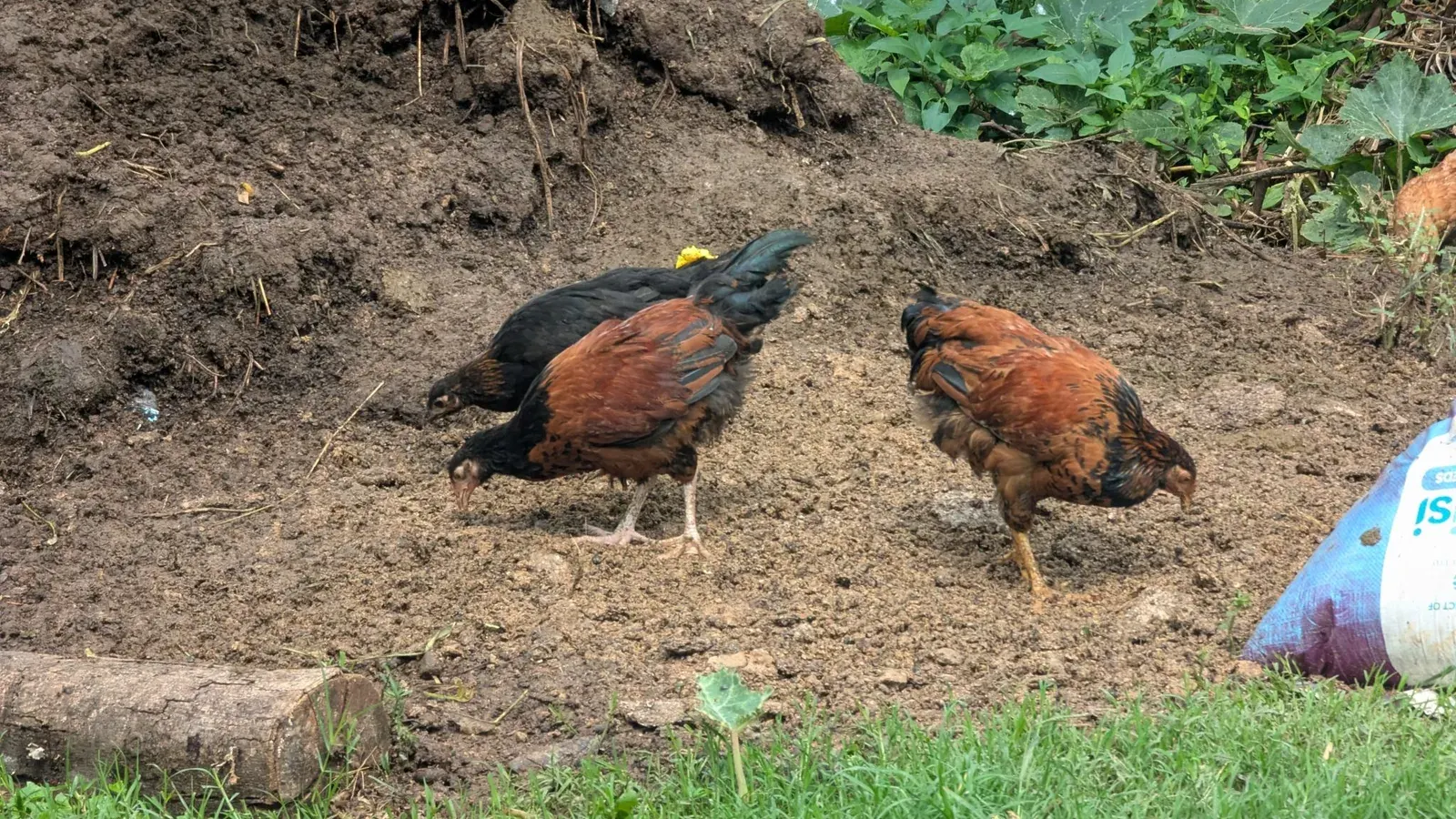
Grit and oyster shell get sold next to each other, stored next to each other and confused constantly. They are not versions of the same thing. They do completely different jobs and they go to different birds.
Grit is insoluble stone. It sits in the gizzard and grinds food, because a chicken has no teeth. Any bird eating anything other than plain commercial crumble needs it, and that includes chicks on chick grit, roosters, and every bird that free ranges. Oyster shell is soluble calcium carbonate. It dissolves, goes into the blood and becomes eggshell. Only a hen in lay has any use for it.
That difference decides how you feed both of them. Neither belongs mixed into the feed. Put out a separate dish of each and let birds take what they need, because a laying hen regulates her own calcium intake with real accuracy and a rooster given no choice cannot. Below we compare six bags on flake size, purpose, pack size and price per pound, and we say plainly where the expensive ones are buying you something and where they are not.
Our picks at a glance
Every product below wins one specific situation. Pick the row that matches your flock, your yard and your budget rather than reading top to bottom.
-
Best Overall

Manna Pro Oyster 5 lb
Backyard keepers with a laying flock who want plain crushed shell in a bag they will finish, with no extras.
Check price on Amazon for Manna Pro Crushed Oyster Shell for Chickens, Calcium Supplement, 5 lb Bag on AmazonAbout $6.78 checked Aug 8, 2026
-
Best Grit

Manna Pro Grit
Any flock eating scratch, scraps, forage or whole grain, and particularly chicks and growing pullets.
Check price on Amazon for Manna Pro Chicken Grit with Probiotics for Healthy Chick Digestion, 5 lb on AmazonAbout $6.69 checked Aug 8, 2026
-
Best Flake Size

Small Pet Select 5 lb
Keepers of standard-size laying hens who are tired of dust and caked fines at the bottom of the calcium dish.
Check price on Amazon for Small Pet Select Flaked Oyster Shell, Calcium Supplement, 5 lb on AmazonAbout $14.99 checked Aug 8, 2026
-
Best Value

Pecking Order 5 lb
Keepers who want a plain, low cost bag of calcium and do not care about branding or certification.
-
Best Non-GMO

Scratch and Peck Oyster Shell
Keepers running a non-GMO or organic feed programme who want the supplements to match the feed.
Check price on Amazon for Scratch and Peck Feeds | Oyster Shell Chickens & Ducks | 4 lb Pouch on AmazonAbout $19.95 checked Aug 8, 2026
-
Best Bulk Buy

Homestead Harvest 50 lb
Flocks of 20 or more laying birds, or several keepers splitting a sack, with dry sealed storage available.
Check price on Amazon for Homestead Harvest Coastal Oyster Shell Calcium Supplement – for Chickens and Ducks (50 lb) on AmazonAbout $59.99 checked Aug 8, 2026
Compare every pick side by side
Swipe the table sideways to see every column on a phone.
| Product | Award | Price band | Supplement Type | Bag Size | Particle Size | Purpose | Best use case | Buy link |
|---|---|---|---|---|---|---|---|---|
| Manna Pro Oyster 5 lb | Best Overall | Under $30 | Soluble calcium | 5 lb | Crushed, medium flake | Eggshell strength | Backyard keepers with a laying flock who want plain crushed shell in a ba… | Check price for Manna Pro Crushed Oyster Shell for Chickens, Calcium Supplement, 5 lb Bag on Amazon |
| Manna Pro Grit | Best Grit | Under $30 | Insoluble grit | 5 lb | Crushed granite, chick to grower size | Grinding food in the gizzard | Any flock eating scratch, scraps, forage or whole grain, and particularly… | Check price for Manna Pro Chicken Grit with Probiotics for Healthy Chick Digestion, 5 lb on Amazon |
| Small Pet Select 5 lb | Best Flake Size | Under $30 | Soluble calcium | 5 lb | Large flake | Eggshell strength | Keepers of standard-size laying hens who are tired of dust and caked fine… | Check price for Small Pet Select Flaked Oyster Shell, Calcium Supplement, 5 lb on Amazon |
| Pecking Order 5 lb | Best Value | Under $30 | Soluble calcium | 5 lb | Crushed, medium flake | Eggshell strength | Keepers who want a plain, low cost bag of calcium and do not care about b… | Check price for Pecking Order Oyster Shell - Calcium Supplement to Support Laying Hens and Strong Egg Shell Development (5 LB) 8 (Packaging May Vary) on Amazon |
| Scratch and Peck Oyster Shell | Best Non-GMO | Under $30 | Soluble calcium | 4 lb | Crushed, medium flake | Eggshell strength | Keepers running a non-GMO or organic feed programme who want the suppleme… | Check price for Scratch and Peck Feeds | Oyster Shell Chickens & Ducks | 4 lb Pouch on Amazon |
| Homestead Harvest 50 lb | Best Bulk Buy | $30 to $60 | Soluble calcium | 50 lb | Crushed, medium flake | Eggshell strength | Flocks of 20 or more laying birds, or several keepers splitting a sack, w… | Check price for Homestead Harvest Coastal Oyster Shell Calcium Supplement – for Chickens and Ducks (50 lb) on Amazon |
The full reviews
Each review below follows the same order: what it is, why it won its category, how it behaves in real use, and who should buy something else.
1 Best Overall
Manna Pro Crushed Oyster Shell for Chickens, Calcium Supplement, 5 lb Bag
Plain crushed shell in a 5 lb bag at about $1.36 per pound, the cheapest small bag of calcium here and the right flake grade for a mixed backyard flock. Buy it, put it in its own dish, and buy grit separately.
What we liked
- Medium crushed flake suits standard hens and bantams from the same bag
- Cheapest small bag of calcium here at roughly $1.36 per pound, with only the 50 lb sack lower
- 5 lb is several months of free choice calcium for a small flock
- Soluble calcium carbonate, so it dissolves and reaches the shell gland
What we did not
- Medium flake carries a fine dusty fraction that packs into the bottom of the dish and gets tipped out unused
- This is calcium only, so a second bag of insoluble grit and a second dish are still needed
- Harmful rather than useless if mixed into feed, because roosters and non-laying birds cannot then avoid the calcium load
About $6.78 checked Aug 8, 2026
Key specifications
- Dimensions
- 4 x 8.33 x 11.5 in (L x W x H)
- Weight
- 5 pounds
- Colour
- Coral
- Supplement Type
- Soluble calcium
- Bag Size
- 5 lb
- Particle Size
- Crushed, medium flake
- Purpose
- Eggshell strength
- Feeding Method
- Free choice in a separate dish
- Form
- Crushed
- Pack Size
- 5 lb bag
- Source Material
- Blend of crushed oyster shells and coral calcium
- Processing
- Heat treated for purity, made in the USA
- Stated Feeding Method
- Not stated, described as an addition to your chicken feed
- Suitable For
- All laying poultry including chickens, ducks and quail
Why the Manna Pro Oyster Shell wins this category
Because in a category where the chemistry is fixed, price and flake grade are what is left to decide on, and this bag wins both for a normal flock.
Crushed oyster shell is calcium carbonate. At roughly $1.36 per pound it is the cheapest small bag of calcium here, beaten only by the 50 pound sack at $1.22, and the medium crushed flake is the grade that works across a mixed flock rather than only for large birds.
Living with the Manna Pro Oyster Shell
Five pounds is more than it sounds. Free choice intake runs to a few grams per bird per day, so a small flock is looking at months from one bag rather than weeks.
The flake size matters overnight. Coarser pieces sit in the gizzard and release calcium slowly, which lines up with when a hen is actually building a shell. That is the argument for shell over ground limestone, and this grade delivers it.
Put it in its own dish, off the ground and under cover, and top it up rather than filling it deep.
Where the Manna Pro Oyster Shell falls short
Crushed medium flake always comes with a fine fraction. It settles, it takes up damp, and it is what you tip out when you clean the dish. A larger flake product wastes less of the bag.
The bigger point is what this bag is not. It is calcium, and a hen also needs stone in her gizzard to grind food. Buying this and nothing else leaves the actual digestion problem unsolved.
And it must go in a separate dish. Stirred into feed it becomes a forced dose for every rooster, chick and out-of-lay hen at the feeder, which is the one way to turn a cheap useful supplement into a health risk.
Research based, not hands-on
Assessed on the published supplement type, bag size and particle grade, with price per pound worked out from the listed price and weight and compared against the other bags in this guide.
- Best for
- Backyard keepers with a laying flock who want plain crushed shell in a bag they will finish, with no extras.
- Skip it if
- You keep 20 or more birds, because a 5 lb bag turns into a frequent reorder at that scale.
- The limitation to plan around
- It does one job. Crushed shell dissolves and becomes eggshell, and it does nothing at all for grinding food, so a separate dish of insoluble grit is not optional alongside it.
2 Best Grit
Manna Pro Chicken Grit with Probiotics for Healthy Chick Digestion, 5 lb
The only insoluble grit in this comparison, and the one product here that addresses grinding rather than eggshells. Crushed granite in a chick to grower grade, priced at about $1.34 per pound.
What we liked
- Insoluble crushed granite, so it stays in the gizzard and grinds food
- Chick to grower grade suits young birds and bantams from the same bag
- 5 lb is a long-running supply because grit is consumed slowly
- Cheapest of the 5 lb bags here at roughly $1.34 per pound, undercut only by the 50 lb sack
What we did not
- Graded chick to grower, so the particle is finer than a full-grown standard hen ideally wants for grinding
- The added probiotics arrive at an uncontrolled dose, because free choice grit intake varies by bird and by day
- Birds ranging on stony ground may take almost none of it, so an opened bag can sit for a year and pick up damp
About $6.69 checked Aug 8, 2026
Key specifications
- Dimensions
- 4 x 8.3 x 11.5 in (L x W x H)
- Weight
- 5 pounds
- Colour
- Clear
- Supplement Type
- Insoluble grit
- Bag Size
- 5 lb
- Particle Size
- Crushed granite, chick to grower size
- Purpose
- Grinding food in the gizzard
- Feeding Method
- Free choice in a separate dish
Why the Manna Pro Grit wins this category
By being the only thing on this page that does the other job. Five of these six bags are calcium for eggshells. This one is stone.
A chicken has no teeth. Food is ground in the gizzard against swallowed stone, and a bird eating scratch, kitchen scraps, long grass or anything it foraged needs that stone to be there. Crushed granite is insoluble, so it stays and works for weeks rather than dissolving away.
Living with the Manna Pro Grit
Grit is slow to disappear. A 5 pound bag will outlast several bags of oyster shell in the same flock, because birds top up rather than consume it daily.
The chick to grower grade makes it flexible. You can offer the same bag to a brooder of chicks, to growing pullets and to bantam hens without buying three grades, which is a real convenience for a small mixed flock.
Give it its own dish, separate from the shell. Two dishes side by side is the whole system.
Where the Manna Pro Grit falls short
The grading cuts both ways. A full-grown standard hen gets more grinding work out of a coarser adult granite than out of a chick to grower particle, so large fowl keepers may want a hen-grade bag as well.
The probiotic addition is the part to treat lightly. Probiotics are dosed by amount consumed, and free choice grit intake is not something you control or measure. A bird that takes a pinch a week is not getting a meaningful dose of anything but stone.
Consumption also depends on ground. Birds on gravel find their own and may barely touch the dish, which leaves an open bag sitting long enough to take up moisture and clump.
Research based, not hands-on
Assessed on the published supplement type, granite particle grading and bag size, and compared against the soluble calcium products in this guide on what each one does inside the bird.
- Best for
- Any flock eating scratch, scraps, forage or whole grain, and particularly chicks and growing pullets.
- Skip it if
- You keep only large fowl and want a coarse hen-grade granite, because this is graded for smaller birds.
- The limitation to plan around
- Grade is the thing to plan around. This is a chick to grower particle, so it suits young and small birds well and gives a full-size hen less grinding surface than a coarse adult grit would.
3 Best Flake Size
Small Pet Select Flaked Oyster Shell, Calcium Supplement, 5 lb
Large flake rather than the usual medium crush, which means less dust in the dish and pieces a hen can pick up one at a time. You pay about double per pound for that difference: roughly $3.00 against $1.36.
What we liked
- Large flake gives a standard hen pieces she can select individually
- Much less fine dust than medium crush, so less of the bag ends up tipped out
- Coarse pieces sit in the gizzard longer, which suits overnight shell formation
- Soluble calcium carbonate in a clean white grade with no additives
What we did not
- Costs about double per pound against the mainstream crushed bags for the same calcium carbonate
- Large flakes are a mouthful for bantams and light breeds, and some birds will simply leave them
- Sold in 5 lb only, so a larger flock reorders often at the higher price
About $14.99 checked Aug 8, 2026
Key specifications
- Size
- 5 Pound (Pack of 1)
- Weight
- 5 pounds
- Colour
- white
- Supplement Type
- Soluble calcium
- Bag Size
- 5 lb
- Particle Size
- Large flake
- Purpose
- Eggshell strength
- Feeding Method
- Free choice in a separate dish
- Form
- Flaked, uniform flake size with no large chunks or pebbles
- Pack Size
- 5 lb
- Source Material
- 100% flaked oyster shell, no seashells or fillers, from Pacific Pearl
- Processing
- Low-dust blend
- Stated Feeding Method
- Not stated
- Suitable For
- Laying hens, chickens, ducks and waterfowl
Why the Small Pet Select Flaked wins this category
Because flake size is the only real specification that varies in this category, and this is the bag that leads on it.
Most crushed shell is a medium grade with a fine fraction mixed through. That fine fraction is what settles, cakes when damp and gets thrown away when you clean the dish. A large flake product has far less of it, so more of what you paid for actually goes into a hen.
Living with the Small Pet Select Flaked
There is a nutritional argument as well as a tidiness one. Coarse calcium particles are retained in the gizzard longer than fine ones, so calcium keeps trickling into the blood through the night, which is when a shell is being laid down. That is the standard reason to prefer shell over ground limestone, and a larger flake pushes it further.
The dish also stays cleaner for longer. Fewer fines means less packing down, so a weekly top up is genuinely a top up rather than a clean out.
Where the Small Pet Select Flaked falls short
Price is the honest objection. At roughly $3.00 per pound this costs about double the mainstream crushed bags, and the mineral is calcium carbonate in both cases. You are buying grading and consistency, not a different nutrient.
Beak size is the practical one. A large flake is easy for a full-size hen and awkward for a bantam or a light breed, and birds that find it awkward will leave it in the dish rather than work at it. In a mixed flock that can mean the small birds get no calcium at all.
Five pounds is also the only size offered, so a bigger flock is reordering at the higher rate rather than buying down.
Research based, not hands-on
Assessed on the published large flake particle grade, bag size and supplement type, with price per pound worked out from the listed price and weight and compared against the medium crush bags here.
- Best for
- Keepers of standard-size laying hens who are tired of dust and caked fines at the bottom of the calcium dish.
- Skip it if
- Your flock is mostly bantams or light breeds, because the flake is large for a small beak.
- The limitation to plan around
- The flake size that makes this good is also its constraint. Big pieces suit full-size hens and small birds may ignore them, so in a mixed flock keep a medium crush available too.
4 Best Value
Pecking Order Oyster Shell - Calcium Supplement to Support Laying Hens and Strong Egg Shell Development (5 LB) 8 (Packaging May Vary)
A plain 5 lb bag of medium crushed shell at about $1.40 per pound, with nothing added and nothing claimed beyond soluble calcium for laying hens. It sits within four cents a pound of the cheapest bag here.
What we liked
- About $1.40 per pound, less than half the cost of the flaked option and a fraction of the certified pouch
- Medium crushed flake works for standard hens and bantams alike
- No additives or blended ingredients, so it is calcium and nothing else
- 5 lb covers a small laying flock for several months of free choice access
What we did not
- The listing itself notes that packaging may vary, so bag format and flake consistency are not guaranteed to match between production runs
- Nothing beyond a crushed medium flake description is published, so you are buying on brand rather than on a stated grading
- Medium crush carries dust that packs into the base of the dish and needs tipping out every few weeks
Key specifications
- Dimensions
- 12.5 x 7.5 x 3.5 in (L x W x H)
- Weight
- 5 pounds
- Supplement Type
- Soluble calcium
- Bag Size
- 5 lb
- Particle Size
- Crushed, medium flake
- Purpose
- Eggshell strength
- Feeding Method
- Free choice in a separate dish
- Form
- Not stated
- Pack Size
- 5 lb bag
- Source Material
- Natural oyster shells, stated free from harmful additives
- Processing
- Not stated
- Stated Feeding Method
- Not stated
- Suitable For
- Laying hens
Why the Pecking Order Oyster Shell wins this category
Because value in this category means paying as little as possible for a mineral that does not vary. Calcium carbonate from a crushed shell is calcium carbonate, and at about $1.40 per pound this bag sits within four cents of the cheapest small bag on the page.
Put that next to $3.00 per pound for large flake and $4.99 per pound for the certified non-GMO pouch and the gap is obvious. Same job, less than half the money. The only thing that beats it on price per pound is the 50 pound sack, which asks you to store 50 pounds of shell to save about 13 percent.
Living with the Pecking Order Oyster Shell
It is a plain product and that is the appeal. Soluble calcium, medium crushed flake, 5 pounds, no probiotics, no blend, nothing that needs explaining on the bag.
The medium grade is the flexible one. Standard hens, bantams and everything between can take it, which matters more in a mixed backyard flock than a coarse premium flake does.
Five pounds is several months of free choice calcium for a small flock, so this is a bag you buy two or three times a year rather than monthly.
Where the Pecking Order Oyster Shell falls short
The published detail is thin. There is a crushed medium flake description and little else, which means you are trusting the brand rather than checking a specification. The listing also carries a packaging may vary note, and where packaging varies between runs, so can the grading inside it.
In practice that shows up as a bag that is dustier than the last one. Fines pack into the bottom of the dish, take up damp and get tipped out, so a dustier batch quietly wastes more of what you bought.
If flake consistency is what you care about, this is the wrong end of the category and the flaked option is the answer.
Research based, not hands-on
Assessed on the published supplement type, bag size and crushed flake description, with price per pound worked out from the listed price and weight and compared against the other five bags here.
- Best for
- Keepers who want a plain, low cost bag of calcium and do not care about branding or certification.
- Skip it if
- You want a documented particle grade, because the published specification here is thinner than the alternatives.
- The limitation to plan around
- Batch consistency is the thing to plan around. With packaging listed as variable and no published grading, the flake you get in one bag may be finer or coarser than the last one.
5 Best Non-GMO
Scratch and Peck Feeds | Oyster Shell Chickens & Ducks | 4 lb Pouch
A 4 lb pouch of crushed shell from a non-GMO focused feed brand, for keepers who want one certified supply chain across the whole feed room. The mineral is the same, and it costs about $4.99 per pound.
What we liked
- Fits a feed room already built around non-GMO and organic sourcing
- Medium crushed flake suits standard hens and bantams from one bag
- Labelled for ducks as well as chickens, which suits a mixed waterfowl flock
- Resealable 4 lb pouch is easier to store closed than a paper sack
What we did not
- Costs roughly four times per pound what plain crushed shell costs, for a mineral that is calcium carbonate in both bags
- A non-GMO claim certifies the supply chain rather than changing what the hen absorbs from a shell mineral
- 4 lb is the smallest bag here, so restocking comes round sooner than with the 5 lb options
About $19.95 checked Aug 8, 2026
Key specifications
- Dimensions
- 6.5 x 4.5 x 10.5 in (L x W x H)
- Weight
- 4 pounds
- Colour
- Brown
- Supplement Type
- Soluble calcium
- Bag Size
- 4 lb
- Particle Size
- Crushed, medium flake
- Purpose
- Eggshell strength
- Feeding Method
- Free choice in a separate dish
Why the Scratch and Peck Oyster Shell wins this category
Because for some keepers the feed room is a single decision rather than six separate ones. If the layer feed, the scratch and the starter are all non-GMO, buying a supplement that sits outside that programme feels like an odd exception, and this is the bag that closes it.
It is also labelled for ducks as well as chickens, which is useful in the mixed flocks this brand tends to sell into.
Living with the Scratch and Peck Oyster Shell
The pouch format is a small practical win. A resealable pouch stays closed in a damp shed better than a paper sack does, and shell that stays dry does not cake in the bottom of the bag.
The flake itself is a medium crush, which is the flexible grade. Bantams and standard hens both cope with it, so one bag serves a mixed flock.
Four pounds in free choice use is still a matter of months for a small flock, because intake is only a few grams per bird per day.
Where the Scratch and Peck Oyster Shell falls short
The price per pound is the thing that needs saying plainly. At roughly $4.99 per pound this costs about four times the mainstream crushed shell, and the mineral in both bags is calcium carbonate from a shell.
That is not an argument against certification. It is an argument for being clear about what certification does here. On a grain, a non-GMO label describes what was grown. On a shell mineral it describes the supply chain and handling, not the calcium a hen absorbs.
The 4 pound pouch is also the smallest here, so if you scale the flock up you are reordering the most expensive option most often. At that point a plain 5 pound bag in a separate dish is the sensible compromise.
Research based, not hands-on
Assessed on the published supplement type, pouch weight and flake description, with price per pound worked out from the listed price and weight and compared against the plain crushed bags here.
- Best for
- Keepers running a non-GMO or organic feed programme who want the supplements to match the feed.
- Skip it if
- You are buying on cost per pound, because this is the most expensive calcium in the comparison by a wide margin.
- The limitation to plan around
- Understand what the premium buys. It buys sourcing and certification across a brand, not a nutritionally different calcium, so the value of it depends entirely on how much that consistency matters to you.
6 Best Bulk Buy
Homestead Harvest Coastal Oyster Shell Calcium Supplement – for Chickens and Ducks (50 lb)
Fifty pounds of crushed shell in one sack at about $1.22 per pound, the cheapest calcium here. The catch is scale: buying 10 times the quantity saves roughly 10 percent, and six hens would take years to get through it.
What we liked
- Cheapest calcium in this guide at roughly $1.22 per pound
- One sack removes reordering from the routine for a long time
- Medium crushed flake suits standard hens and bantams from the same sack
- Labelled for ducks as well as chickens, which suits a mixed laying flock
What we did not
- Fifty pounds is a multi-year supply for six hens, and shell held open that long takes up damp and cakes into lumps
- The bulk discount is about 10 percent per pound against the 5 lb bags, which is far less than the tenfold jump in quantity suggests
- A 50 lb sack needs a sealed bin and a scoop, and it is heavy to move and awkward to pour into a small dish
About $59.99 checked Aug 8, 2026
Key specifications
- Size
- 50 Pound (Pack of 1)
- Weight
- 50 pounds
- Supplement Type
- Soluble calcium
- Bag Size
- 50 lb
- Particle Size
- Crushed, medium flake
- Purpose
- Eggshell strength
- Feeding Method
- Free choice in a separate dish
Why the Homestead Harvest 50 lb wins this category
On price per pound, and only on price per pound. At about $1.22 it is the cheapest calcium on this page, and if you keep enough birds it removes a recurring errand from the year.
For a flock of 20 or more layers, or for two or three keepers splitting a sack between them, that is a sensible buy. The flake is a medium crush, so it serves standard hens and bantams from the same scoop.
Living with the Homestead Harvest 50 lb
The practical requirement is a bin. Fifty pounds of shell in its original sack, sitting on a shed floor, will pick up moisture from the air and from the ground, and damp shell packs into lumps that have to be broken up before they will pour.
A sealed plastic drum with a lid and a scoop solves it completely, and it also keeps rodents out of a large standing store of something that smells vaguely of food.
Decanting into a small dish is easier from a bin than from a sack you have to lift.
Where the Homestead Harvest 50 lb falls short
The arithmetic is the problem for most backyard keepers, and it deserves stating. Free choice intake is a few grams per bird per day. Six hens would take years to get through 50 pounds, and shell that has sat open through several damp winters is not in the state it started in.
The discount is smaller than the quantity implies too. Ten times the shell for about 10 percent off per pound is a thin reward for committing that much storage space.
Weight is the last thing. A 50 pound sack is awkward to lift, awkward to pour and impossible to tip carefully into a hanging cup, so a scoop and a bin are not optional extras here.
Research based, not hands-on
Assessed on the published supplement type, 50 lb sack weight and flake description, with price per pound worked out from the listed price and weight and compared against the 5 lb bags in this guide.
- Best for
- Flocks of 20 or more laying birds, or several keepers splitting a sack, with dry sealed storage available.
- Skip it if
- You keep a handful of hens, because free choice intake is so low that this quantity will outlast its useful storage life.
- The limitation to plan around
- Storage is the whole question. Shell does not spoil, but an open sack in a shed absorbs moisture and cakes, so this only makes sense if you have a sealed bin and enough birds to work through it inside a year or two.
How we compared these supplements
The first question we asked of every bag was what it actually does inside the bird, because half the products in this category are sold in language that blurs it. Four of the six here are soluble calcium for eggshells. One is insoluble stone for the gizzard. One large sack is the same calcium in a different quantity.
After that, we compared them on flake or particle size against the size of the bird eating it, on bag size against realistic free choice intake, and on price per pound worked out from the listed price and weight rather than from the sticker on the front.
We did not weight brand claims heavily. Crushed oyster shell is calcium carbonate from a shell, and the difference between a $1.36 per pound bag and a $4.99 per pound bag is packaging, sourcing and certification, not chemistry. Where the expensive option earns its money we say so, and where it does not we say that too.
Grit and oyster shell are not the same thing
This is the whole point of the page, so it is worth being blunt about it.
Grit is a tool the bird keeps
A chicken has no teeth. Food goes into the gizzard, a thick muscular organ, and is ground there against small stones the bird has swallowed on purpose. Those stones are grit. They are insoluble, they stay put for weeks, and they wear down slowly.
A bird eating nothing but fine commercial crumble can manage without them. A bird eating scratch grain, kitchen scraps, long grass, mealworms or anything it found itself cannot grind that food properly without stone in the gizzard, and impacted or sour crop is the outcome people notice.
Oyster shell is a mineral the bird uses up
An eggshell is about 2 grams of calcium carbonate, laid down overnight. A hen laying five eggs a week is depositing a lot of calcium, and if it is not in the gut it comes out of her bones.
Oyster shell is soluble. It dissolves, gets absorbed, and is gone. It also has a useful physical property: the coarser flakes sit in the gizzard longer than powdered limestone does, which means calcium keeps trickling into the blood during the night, which is when the shell is actually being formed.
Only laying hens need the calcium
Roosters, chicks, growing pullets and hens out of lay have no use for extra calcium, and a sustained excess is associated with kidney damage and gout. That is why free choice matters. A hen in lay will visit the dish; the others will not.
What actually matters when you buy
Flake size
This is the specification almost nobody checks, and it is the main real difference between the bags on this page.
Large flake, like the Small Pet Select product, is easy for a standard hen to pick up individually, produces little dust, and does not sift into a damp layer at the bottom of the dish. Medium crushed flake, which is what most bags are, is cheaper and suits every bird size, but it carries a fine fraction that packs down and gets tipped out unused.
Very fine or powdered shell is the one to avoid. It cakes, it blows away, and it passes through too fast to be much use overnight.
Price per pound, not price per bag
Work it out. Manna Pro Crushed Oyster Shell is about $1.36 per pound. Pecking Order is about $1.40. Small Pet Select is about $3.00. Scratch and Peck is about $4.99. Homestead Harvest, in a 50 pound sack, is about $1.22.
The interesting number is that last one. Buying 10 times the quantity saves roughly 10 percent per pound, which is a much smaller bulk discount than most people assume, and you have to store 50 pounds of shell to get it.
Bag size against how slowly this gets used
Free choice intake is a few grams per bird per day. A 5 pound bag is a matter of months for a small flock, and a 50 pound sack is a multi-year supply for six hens. Shell does not spoil, but an open sack in a damp shed picks up moisture and cakes, so buying more than you will get through in a year or so is not a saving.
How to offer grit and oyster shell properly
Two separate dishes, neither of them mixed into feed. That is the whole method, and it works because the bird is a better judge of her own calcium requirement than you are.
Put both dishes where they stay dry and off the ground: a small hanging cup, a wall-mounted pot or a shallow dish on a block all work. At ground level hens scratch the contents out and you end up refilling a dish that nobody ate from.
Keep both topped up rather than filling them deeply. Shell that sits in the bottom of a dish for months gets damp and cakes. A shallow layer, checked weekly, stays clean.
Chicks get chick grit and no oyster shell. Pullets get grit and can be offered shell as they come into lay. A rooster in the flock is a reason to keep the calcium in a separate dish, not a reason to skip it.
Final recommendation
Manna Pro Crushed Oyster Shell is the best all-round buy. It is medium flake, it is the cheapest small bag of calcium here at about $1.36 per pound, and for a normal backyard flock it does exactly what the category is for.
Buy Manna Pro Chicken Grit alongside it. It is the only grit in this comparison, and no amount of oyster shell replaces stone in the gizzard.
If your birds leave the fine crushed stuff or the dust in your dish annoys you, Small Pet Select Flaked is worth the extra for its larger, cleaner flake. If you keep 20 or more birds and have a sealed bin to store it in, Homestead Harvest 50 lb is the cheapest calcium here. If a non-GMO Project supply chain matters to you across your whole feed room, Scratch and Peck Oyster Shell is the bag that carries it, at roughly four times the per pound cost of the plain option.
Questions people ask before buying
What is the difference between grit and oyster shell?
They do unrelated jobs. Grit is insoluble stone, usually crushed granite, that stays in the gizzard and grinds whatever the bird swallows, because chickens have no teeth. Oyster shell is soluble calcium carbonate that dissolves in the gut, enters the blood and is laid down as eggshell. Grit is a tool the bird keeps. Oyster shell is a mineral the bird uses up. One does not substitute for the other in either direction.
Do my chickens need grit if they free range?
Usually less of it, but you should still offer it. Birds ranging on gravelly or stony ground pick up their own stone and may take almost none from the dish. Birds on grass, sand, deep bedding or a bare run often cannot find suitable stone at all. Offering grit free choice costs almost nothing, a bag lasts a long time, and the birds simply ignore it if they do not need it. The one case where it is not optional is any bird eating scratch, kitchen scraps, whole grain or forage.
Can I mix oyster shell into the feed?
No, and this is the mistake worth avoiding. Layer feed already contains calcium at a level suited to a hen in lay. Adding more into the feed forces the same dose on every bird eating from that feeder, including roosters, chicks, growing pullets and hens who have stopped laying. Sustained excess calcium in birds that are not laying is linked to kidney damage and gout. Offered free choice in a separate dish, a laying hen takes what she needs and the others leave it.
How much oyster shell does a hen eat?
Only a few grams a day when it is offered free choice, and the amount rises and falls with her laying rate. That small figure is why a 5 pound bag lasts a small backyard flock several months and why a 50 pound sack is a multi-year supply for six hens. If a dish empties much faster than that, check that the shell is not being scratched out onto the ground rather than eaten, which is common with a wide open dish at ground level.
Will oyster shell fix thin or soft eggshells?
It is the first thing to try and it is not a treatment. Thin shells often do come from calcium that is short, unavailable or not being taken up, and offering free choice oyster shell is a cheap, sensible first step. But shell quality also drops with age, heat stress, some diseases and vitamin D3 shortage, and none of those improve because you put out a dish of shell. If shells stay poor after a few weeks of free choice calcium, or birds look unwell, that is a question for a vet rather than a supplement.
What size grit do my birds need?
Grit is graded by bird size, and the grades matter. Chick grit is a fine sand-like particle for birds under about eight weeks. Grower grit is a middle grade. Adult or hen-size grit is a coarser stone for full-grown standard birds. Too fine and it passes through without doing much grinding work; too coarse and small birds will not take it. In a mixed flock of bantams and large fowl the practical answer is to offer the grade that suits your smallest adult birds.
Why you can trust this guide
- Written by
- Marta Voss, Editor and fact checker, Chicken Geek. Specialist areas: Editorial fact checking, Chick brooding and starter nutrition, Small-flock husbandry, Feed labels and nutrition claims.
- Fact checked by
- Sam Reddick
- Published
- August 6, 2026 · Last updated August 6, 2026 · Products and links rechecked August 6, 2026
- How we picked
- Each bag was compared on what job it actually does in the bird, whether it is soluble calcium or insoluble stone, published particle and flake size against the size of the birds eating it, bag size against realistic free choice intake, and price per pound worked out from the listed price and weight.
- Evidence used
- None of the 6 products on this page were sent to us or bought for a hands-on test. Every recommendation here is research based: manufacturer specifications, listed dimensions and materials, owner feedback at volume, and comparison against equipment our team has owned. Each review states this again above the buy button so you are never guessing which kind of evidence sits behind a pick.
- Editorial standards
- No brand pays for placement, and no manufacturer sees this page before it goes live. Read our editorial policy and testing method.
- Affiliate disclosure
- Chicken Geek is reader supported. We earn a commission from qualifying purchases made through links on this page, at no extra cost to you, and no brand has paid for a placement or an award here.
About the author

Editor and fact checker, Chicken Geek
Marta edits every guide on Chicken Geek and checks that each claim can be traced back to a manufacturer specification, a published standard or a stated first-hand observation. She keeps a small backyard flock of six hens and has raised chicks from day one for eight seasons.
- Eight seasons raising chicks from day-old to point of lay
- Checks every specification in a Chicken Geek guide against the manufacturer listing
- Removes any testing claim that cannot be backed up
- Keeps a flock of six hens in a suburban backyard