We Compared 6 Chicken Feeders on Waste, Rats and Weather
We compared six chicken feeders on feed waste, rodent access, weather protection and capacity, the four things that decide how much of a bag your hens actually eat.

By Sam Reddick Lead gear reviewer, Chicken Geek
Fact checked by Marta Voss
Published Prices and stock checked 7 min read
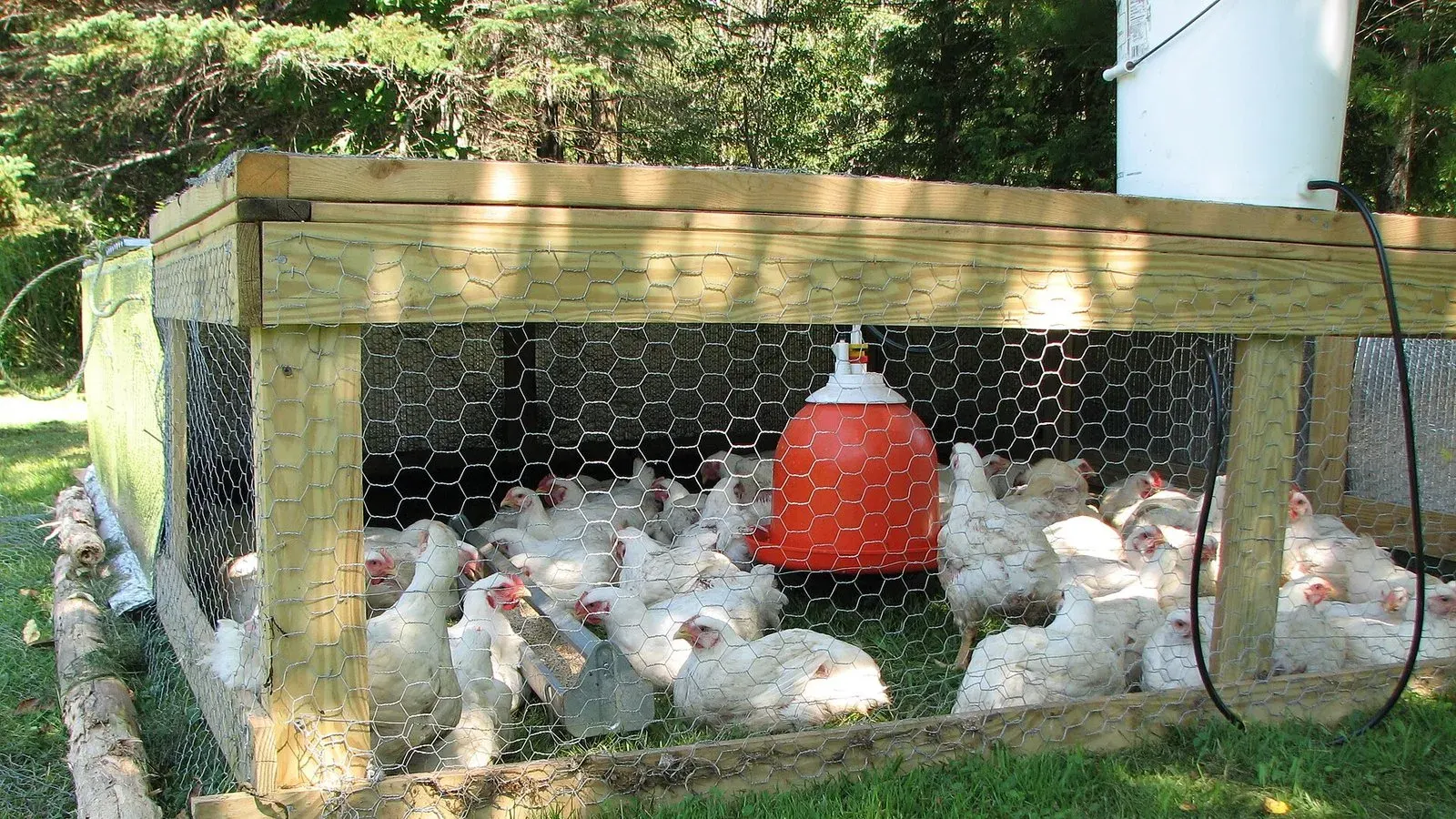
Feed is the largest ongoing cost of keeping chickens, and a significant share of it never gets eaten by a chicken. It ends up trodden into the litter or eaten by rats overnight, and the feeder you choose decides how much.
We compared six feeders on the four things that determine that. How the feed is presented, because hens flick their heads sideways to sort a beakful and an open trough throws the rejected portion on the floor. Whether feed is accessible after dark, which is what establishes a rodent population. Whether rain can reach the feed, because wet pellets set into a plug that stops the flow. And capacity, which decides how often you are out there with a scoop.
The picks below win different situations, and the two most important questions are whether your problem is waste or rats, because the answers point at different feeders.
Our picks at a glance
Every product below wins one specific situation. Pick the row that matches your flock, your yard and your budget rather than reading top to bottom.
-
Best Overall

Omlet No Waste 12 lb
Flocks of four to eight birds where feed waste on the floor has become obvious and annoying.
-
Best Rodent Resistant

kingump 12-Port
Keepers who have already lost a plastic feeder to rats, or who store feed anywhere a rodent population exists.
-
Best Budget

ZenxyHoC 6-Port Kit
Anyone comfortable with a drill who wants a sealed, no-waste feeder at the lowest possible price.
Check price on Amazon for Chicken Feeders No Waste, DIY Automatic Poultry Feeder - 6 Ports Red on AmazonAbout $19.99 checked Aug 8, 2026
-
Best Large Capacity

OverEZ 50 lb Feeder
Larger flocks, or anyone who travels and wants the flock fed reliably for two or three weeks without attention.
-
Best Traditional Hanging Feeder

Little Giant 40 lb
Keepers with a covered run or barn who want one feeder that will still be working in twenty years.
-
Best Automatic

Briidea Timer Kit
Keepers with an established rodent problem who need feed to be genuinely inaccessible outside feeding times.
Compare every pick side by side
Swipe the table sideways to see every column on a phone.
| Product | Award | Price band | Capacity | Feed Ports | Material | Rodent Resistant | Best use case | Buy link |
|---|---|---|---|---|---|---|---|---|
| Omlet No Waste 12 lb | Best Overall | $60 to $120 | 12 lb | 5 | Weatherproof polymer | Partly, ports are shallow | Flocks of four to eight birds where feed waste on the floor has become ob… | Check price for Omlet No Waste Chicken Feeder for Coop | 12lb Anti-Spill Poultry Feeder with 5 Feeding Ports | Feeds 6 Hens for 7 Days | Hanging or Free Standing | Weatherproof on Amazon |
| kingump 12-Port | Best Rodent Resistant | $30 to $60 | 20 lb of pellets, grain or crumbles | 12 with adjustable flow | Galvanised steel | Yes, metal body | Keepers who have already lost a plastic feeder to rats, or who store feed… | Check price for Metal Chicken Feeder No Waste - 20LB Large Chicken Feeder with 12 Ports & 4 Adjustable Heights Tripod Stand, Automatic Hanging Poultry Feeder, Rainproof for Backyard Chickens & Small Flocks on Amazon |
| ZenxyHoC 6-Port Kit | Best Budget | Under $30 | Depends on your bucket | 6 | ABS plastic | Yes if the bucket is sealed | Anyone comfortable with a drill who wants a sealed, no-waste feeder at th… | Check price for Chicken Feeders No Waste, DIY Automatic Poultry Feeder - 6 Ports Red on Amazon |
| OverEZ 50 lb Feeder | Best Large Capacity | $60 to $120 | 50 lb | Open trough base | Rotomoulded polymer | Lidded but ground accessible | Larger flocks, or anyone who travels and wants the flock fed reliably for… | Check price for OverEZ Chicken Feeder - Holds 50 Pounds of Feed - Inside or Outside Hen Coop - Large Gravity Fed Automatic Poultry Dispenser - No Waste Rainproof Design on Amazon |
| Little Giant 40 lb | Best Traditional Hanging Feeder | $30 to $60 | 40 lb | Open circular trough | Galvanised steel | No | Keepers with a covered run or barn who want one feeder that will still be… | Check price for Little Giant® Hanging Metal Poultry Feeder | Chicken Feeder | Outdoor Hanging Bird Feeder | Galvanized Steel Feed Container with Hanging Handle | 40 Pound on Amazon |
| Briidea Timer Kit | Best Automatic | $30 to $60 | Not stated, the kit bolts onto a container you supply | Timed release chute | Galvanised steel spin plate, ABS housing | Yes if the hopper is sealed | Keepers with an established rodent problem who need feed to be genuinely… | Check price for Automatic Chicken Feeder Timer, Briidea Poultry Feeder Motor and Timer Kit, Metal Spin Plate, Adjustable Mount, Ideal for Chickens, Ducks, Geese on Amazon |
The full reviews
Each review below follows the same order: what it is, why it won its category, how it behaves in real use, and who should buy something else.
1 Best Overall
Omlet No Waste Chicken Feeder for Coop | 12lb Anti-Spill Poultry Feeder with 5 Feeding Ports | Feeds 6 Hens for 7 Days | Hanging or Free Standing | Weatherproof
Five shielded ports that stop hens flicking feed onto the floor, which is where a third of a bag typically goes with an open trough feeder.
What we liked
- Shielded ports stop the sideways head-flick that scatters feed from a trough
- Rain shielded, so pellets do not swell and turn to paste in the port
- 12 lb holds about a week for six hens, which suits a normal shopping rhythm
- Hangs or stands, so it works in a coop or a run
What we did not
- Costs several times what a plain hanging feeder costs
- Ports are shallow enough that a determined rat can still reach feed at night
- Five ports means a queue if you have more than about eight birds
Key specifications
- Dimensions
- 14.5 x 14.5 x 18.5 in (L x W x H)
- Weight
- 4.7840310854 pounds
- Colour
- Green
- Capacity
- 12 lb
- Feed Ports
- 5
- Material
- Weatherproof polymer
- Rodent Resistant
- Partly, ports are shallow
- Weatherproof
- Yes, rain shielded
- Mounting
- Hangs or stands
Why the Omlet feeder wins this category
Because of how chickens actually eat. A hen takes a beakful and flicks her head sideways to sort it, which in an open trough throws a proportion of the feed onto the ground. Over a bag that adds up to a genuinely surprising amount, and what lands on the floor either gets trodden into the litter or feeds rats.
A shielded port makes that flick happen inside the feeder. The rejected feed falls back into the hopper rather than onto the floor.
Living with the Omlet feeder
Rain shielding is the second thing it gets right. Pellets that get wet swell, then set, and a feeder with a plug of set pellet in the port stops delivering entirely, usually without anyone noticing for a day.
Twelve pounds is a well-judged capacity for a small flock. It is about a week for six hens, which means filling it is part of a weekly routine rather than a daily chore, and the feed does not sit long enough to go stale.
Where the Omlet feeder falls short
The price is the obvious one. This costs several times a plain hanging feeder and the saved feed will take a long time to pay that back, though most people buy it to stop the mess rather than to save money.
The more important limitation is rodents. The ports are shielded from rain and from head-flicking, and they are not sealed. A rat can reach feed in them overnight, and a feeder that is accessible after dark is a feeder that is feeding rats. If that is your problem rather than waste, this is not the answer.
Five ports also becomes a bottleneck above about eight birds.
Research based, not hands-on
Assessed on the published port design, capacity and weather shielding, and compared against open trough feeders on the mechanism of feed waste.
- Best for
- Flocks of four to eight birds where feed waste on the floor has become obvious and annoying.
- Skip it if
- Rodents are your main problem, because the ports are not sealed and feed remains accessible overnight.
- The limitation to plan around
- It reduces waste, it does not eliminate rats. Feed sits accessible in open ports overnight, so if you have a rodent problem you still need to bring this in at dusk or fit a treadle feeder instead.
2 Best Rodent Resistant
Metal Chicken Feeder No Waste - 20LB Large Chicken Feeder with 12 Ports & 4 Adjustable Heights Tripod Stand, Automatic Hanging Poultry Feeder, Rainproof for Backyard Chickens & Small Flocks
A galvanised steel body with twelve adjustable-flow ports, and the metal is the point: rats gnaw through plastic feeders and cannot gnaw through this.
What we liked
- Galvanised steel body that rodents cannot chew into
- Twelve ports, enough that a flock of a dozen birds does not queue
- Adjustable flow lets you set the feed depth in the port and reduce waste further
- Hangs or stands, so it suits a coop or a covered run
What we did not
- Ports are still open, so rodents can reach feed even if they cannot chew in
- Metal sweats in humid weather and condensation can cake feed at the port
- Considerably heavier than plastic when full, which makes hanging it awkward
Key specifications
- Dimensions
- 13 x 7.6 x 13 in (L x W x H)
- Colour
- green
- Capacity
- 20 lb of pellets, grain or crumbles
- Feed Ports
- 12 with adjustable flow
- Material
- Galvanised steel
- Rodent Resistant
- Yes, metal body
- Weatherproof
- Yes
- Mounting
- Hangs, or stands on the tripod at 4 adjustable heights
- Feed Delivery
- Gravity through deep ports
- Ports Or Outlets
- 12 ports, maker says 10 or more hens can eat at once
- Construction
- Metal body with a sealed lid and 5 mm reinforced tripod
- Power Source
- None, gravity only
Why the kingump wins this category
Because rats do not steal feed from a plastic feeder, they open it. A rat will gnaw a hole through a polymer hopper wall in a night or two and then the entire contents drain onto the floor, which turns a nuisance into a real cost.
Galvanised steel is not gnawable. The hopper stays a hopper.
Living with the kingump
Twelve ports is generous, and it means a flock of a dozen can feed at once rather than establishing a pecking-order queue in which the lowest birds eat last and least.
Adjustable flow is the underrated feature. Setting the feed to sit lower in the port means less is available to be flicked out, which cuts waste on top of what the port design already saves.
Where the kingump falls short
Metal solves the wrong half of the rodent problem if you are not careful about the distinction. Rats cannot chew in, and they can still stand at an open port and eat. Overnight that is a meaningful amount of feed and, worse, it establishes a habit and a population near your coop.
If rodents are genuinely established, a treadle feeder that closes under its own weight is the only design that actually excludes them.
Condensation is the other practical drawback. Steel sweats when a humid night is followed by a warm morning, and moisture at the port cakes the feed into a plug that stops flow. It needs a poke through with a stick more often than a plastic feeder does.
Research based, not hands-on
Assessed on the published material, port count and flow adjustment, and compared against plastic-bodied feeders on rodent damage.
- Best for
- Keepers who have already lost a plastic feeder to rats, or who store feed anywhere a rodent population exists.
- Skip it if
- You need a fully sealed feeder, because open ports still give rodents access to what is in them.
- The limitation to plan around
- Metal solves chewing, not access. A rat cannot get into the hopper, but it can absolutely eat what is sitting in the twelve ports overnight, so this reduces losses rather than ending them.
3 Best Budget
Chicken Feeders No Waste, DIY Automatic Poultry Feeder - 6 Ports Red
Six rain-shedding ports you bolt into any bucket, which gets you a sealed, no-waste feeder for about twenty dollars plus a bucket you probably already own.
What we liked
- Costs a fraction of any complete feeder while doing the same job
- Bolted into a sealed bucket, it is the most rodent-resistant option here
- Capacity is whatever bucket you choose, from a 2 gallon to a 5 gallon
- Rain-shedding port shape keeps pellets dry
What we did not
- Requires cutting accurate holes in a bucket, which needs a hole saw and care
- Port position is your decision, and getting the height wrong wastes feed or blocks flow
- ABS plastic ports are gnawable, so a determined rat can eventually work at them
About $19.99 checked Aug 8, 2026
Key specifications
- Dimensions
- 11.7716535313 x 7.7952755826 x 4.0944881848 in (L x W x H)
- Weight
- 1 pounds
- Colour
- Red
- Capacity
- Depends on your bucket
- Feed Ports
- 6
- Material
- ABS plastic
- Rodent Resistant
- Yes if the bucket is sealed
- Weatherproof
- Rain-shedding port design
- Mounting
- Bolts to any bucket or tote
Why the ZenxyHoC kit wins this category
Because it produces the best feeder design here for the least money. A sealed food-grade bucket with rain-shedding ports bolted through the side is what an expensive no-waste feeder is, and the expensive version is mostly paying for the bucket and the moulding.
It is also, done properly, more rodent-resistant than anything else in this comparison, because a lidded bucket with only small ports gives a rat almost nothing to work with.
Living with the ZenxyHoC kit
Capacity is your choice. A 2 gallon bucket for a pair of hens, a 5 gallon for a flock of eight, and you can have two of them for different feeds without buying two feeders.
The port shape sheds rain, so it can live outside in a covered run rather than taking up coop space.
Where the ZenxyHoC kit falls short
It is a project, and that should be clear before you order. You need a bucket, a hole saw of the right diameter, and a willingness to cut six accurate holes in a curved surface.
Port height is the decision that catches people out. Too high and feed will not flow down under gravity, so the ports run empty while the bucket is half full. Too low and hens can pull feed out onto the floor. Measure against the bucket base, mark all six at the same height, and cut carefully, because a hole in the wrong place is permanent.
The ports themselves are ABS plastic. Sealed in a bucket they are a small target, but a persistent rat will eventually work at plastic where it would give up on steel.
Research based, not hands-on
Assessed on the published port design and fitting method, and compared against complete feeders on cost, sealing and waste behaviour.
- Best for
- Anyone comfortable with a drill who wants a sealed, no-waste feeder at the lowest possible price.
- Skip it if
- You do not want a project, because this arrives as six plastic ports and nothing else.
- The limitation to plan around
- The holes are on you. Cut them too high and feed will not flow down to the port; too low and the birds tip feed out. Mark the height carefully against the bucket base before you cut, because a badly placed hole cannot be moved.
4 Best Large Capacity
OverEZ Chicken Feeder - Holds 50 Pounds of Feed - Inside or Outside Hen Coop - Large Gravity Fed Automatic Poultry Dispenser - No Waste Rainproof Design
Fifty pounds in one rotomoulded body, which turns feeding from a weekly chore into a monthly one for a small flock and a fortnightly one for a large flock.
What we liked
- 50 lb takes a whole sack, so there is no part-bag to store
- Rotomoulded polymer is far tougher than the thin blow-moulded plastic used elsewhere
- Weatherproof enough to live in a run rather than needing coop space
- Free standing, so no hanging point is needed
What we did not
- Open trough base means the head-flick waste problem is not addressed at all
- Fifty pounds of feed sitting out is a substantial rodent attraction
- Too big and too heavy to bring indoors at night, which is the usual rodent answer
Key specifications
- Dimensions
- 22.75 x 12.5 x 16.25 in (L x W x H)
- Weight
- 5.4 pounds
- Colour
- Red
- Capacity
- 50 lb
- Feed Ports
- Open trough base
- Material
- Rotomoulded polymer
- Rodent Resistant
- Lidded but ground accessible
- Weatherproof
- Yes
- Mounting
- Free standing
Why the OverEZ 50 lb wins this category
Because for some keepers the binding constraint is time, not feed cost. If you travel for work, or simply resent the daily trip, a feeder that holds an entire sack changes the routine completely: one fill, one empty bag, weeks of not thinking about it.
Rotomoulded construction is what makes that viable outdoors. It is a thicker, tougher process than the blow-moulded plastic used on most large feeders, and it does not go brittle in UV nearly as fast.
Living with the OverEZ 50 lb
Taking a whole sack is more useful than it sounds. Part-bags of feed sitting in a shed go stale, attract mice and take up space. Pouring the whole thing in solves all three.
Being free standing rather than hanging removes the need for a beam or a hook, which a lot of runs do not have.
Where the OverEZ 50 lb falls short
It does nothing about waste. The base is an open trough, which is the design that lets hens flick feed onto the floor as they sort it. If your reason for shopping is feed on the ground, this is the wrong feeder.
The rodent exposure is the bigger issue and it deserves to be stated plainly. Fifty pounds of accessible grain, standing in the same place every night, is exactly the resource that establishes a rat population. Smaller feeders can be brought into a sealed bin at dusk. This one cannot, because it is too heavy to move when full.
In a rodent-free area it is an excellent product. In an area with rats it is a liability.
Research based, not hands-on
Assessed on the published capacity, construction and base design, and compared against port feeders on waste and rodent exposure.
- Best for
- Larger flocks, or anyone who travels and wants the flock fed reliably for two or three weeks without attention.
- Skip it if
- You have a rodent population, because this is a large, permanent, ground-accessible feed store next to your coop.
- The limitation to plan around
- Fifty pounds of accessible feed is a standing invitation to rats. The capacity that makes this convenient is exactly what makes it a problem in any area with an established rodent population.
5 Best Traditional Hanging Feeder
Little Giant® Hanging Metal Poultry Feeder | Chicken Feeder | Outdoor Hanging Bird Feeder | Galvanized Steel Feed Container with Hanging Handle | 40 Pound
The galvanised hanging feeder that has been in barns for decades, and it earns its place because hanging a feeder at back height is still the simplest way to cut waste.
What we liked
- Hanging at bird back height stops birds standing in the feed and fouling it
- Galvanised steel throughout, so it lasts decades rather than seasons
- 40 lb capacity means a fortnight or more for most backyard flocks
- Circular trough gives many birds access at once with no queue
What we did not
- Open circular trough is the classic design for head-flick feed waste
- No rain protection at all, so it must live inside a coop or covered run
- Hanging a 40 lb feeder needs a genuinely solid beam or hook
Key specifications
- Dimensions
- 17 x 20.25 x 17 in (L x W x H)
- Weight
- 5 pounds
- Colour
- Silver
- Capacity
- 40 lb
- Feed Ports
- Open circular trough
- Material
- Galvanised steel
- Rodent Resistant
- No
- Weatherproof
- Indoor or covered run only
- Mounting
- Hangs
Why the Little Giant wins this category
Longevity, and one design principle that still works. Hanging a feeder so the trough sits at the height of a bird's back stops hens standing in it, scratching in it and fouling it, which is the single biggest cause of wasted and contaminated feed after head-flicking.
Galvanised steel means it does not degrade. These feeders are commonly still in service twenty years on, which no plastic feeder in this comparison will manage.
Living with the Little Giant
A circular trough gives a lot of birds simultaneous access, which matters in a bigger flock where port feeders create a queue and the lowest-ranked birds eat last.
Forty pounds is a good capacity for a backyard flock: a fortnight or more between fills, without the rodent exposure of a fifty pound floor-standing hopper.
Where the Little Giant falls short
It is an open trough, and open troughs are where feed waste comes from. A hen sorting feed flicks the rejected portion sideways and out. Raising it to back height reduces this and does not stop it, and if scattered feed is your complaint a shielded port feeder will do considerably better.
The absence of weather protection is the harder constraint. Rain landing in the trough turns pellets to paste, and paste sets into a crust that both blocks flow and goes mouldy. This feeder has to hang under a solid roof, which rules it out for anyone whose birds feed in an open run.
Hanging it also needs real structure. Forty pounds swinging from a lightweight coop rafter is not a good arrangement.
Research based, not hands-on
Assessed on the published capacity, material and trough design, and compared against port feeders on waste and weather exposure.
- Best for
- Keepers with a covered run or barn who want one feeder that will still be working in twenty years.
- Skip it if
- Feed waste on the floor is what prompted you to shop, because an open trough is the source of it.
- The limitation to plan around
- There is no weather protection whatsoever. Rain into an open trough turns pellets into a paste that sets hard and sours, so this feeder is only viable under a solid roof.
6 Best Automatic
Automatic Chicken Feeder Timer, Briidea Poultry Feeder Motor and Timer Kit, Metal Spin Plate, Adjustable Mount, Ideal for Chickens, Ducks, Geese
A motor and timer kit that releases feed on a schedule, which lets you keep feed sealed away from rodents overnight and still have the flock fed at dawn.
What we liked
- Feed stays sealed in the hopper except during the timed release
- Scheduled feeding is the only genuine answer to overnight rodent losses
- Fits any bucket or barrel you choose, so capacity is up to you
- Metal motor housing rather than a plastic gearbox
What we did not
- Adds a motor, a timer and a battery to a job that gravity does for free
- Any jam or flat battery means the flock is not fed that morning
- Needs sheltering from direct rain, which limits where it can be mounted
Key specifications
- Dimensions
- 3.9 x 5.4 x 2.8 in (L x W x H)
- Weight
- 1.1904962148 pounds
- Colour
- black
- Capacity
- Not stated, the kit bolts onto a container you supply
- Feed Ports
- Timed release chute
- Material
- Galvanised steel spin plate, ABS housing
- Rodent Resistant
- Yes if the hopper is sealed
- Weatherproof
- Shelter it from direct rain
- Mounting
- Adjustable mount that fits most feed containers, extra 8 mm studs for height
- Feed Delivery
- Programmable digital timer, up to 6 feedings a day, each 1 to 60 seconds
- Ports Or Outlets
- One spin plate that throws feed about 5 to 6.5 ft
- Construction
- Galvanised steel spin plate, flame-retardant ABS housing
- Power Source
- 12 V solar panel (sold separately) or batteries (not included), low battery indicator
Why the briidea kit wins this category
Because there is exactly one reliable way to stop feeding rats, and it is not a better feeder design. It is having no accessible feed at night.
Timed release does that. The hopper is sealed, feed drops at the times you set, the birds eat it during the day, and after dark there is nothing on offer. Every other rodent measure in this category reduces access; this removes it.
Living with the briidea kit
Fitting it to your own bucket or barrel means capacity is a decision rather than a constraint, and you can size it to your flock rather than to what a manufacturer decided.
The metal motor housing is worth noting in a category full of plastic gearboxes that strip. This is the component under load every time it runs.
Where the briidea kit falls short
Complexity, and the specific shape of the risk matters. A gravity feeder has no failure mode short of running empty. This has three: the battery goes flat, feed bridges and jams in the chute, or the schedule is lost after a power interruption.
None of those announce themselves. You find out when you notice hungry birds in the afternoon, and a laying flock that misses a morning feed will show it in production within days.
Weather is the second constraint. The motor needs shelter from direct rain, which limits mounting positions and means the whole assembly generally has to sit inside a coop or under a solid roof.
For most keepers a sealed bucket with ports is the better answer. This is for people whose rodent problem has already got past that.
Research based, not hands-on
Assessed on the published motor, timer and mounting specification, and compared against gravity feeders on rodent exclusion and failure modes.
- Best for
- Keepers with an established rodent problem who need feed to be genuinely inaccessible outside feeding times.
- Skip it if
- You want something with nothing to fail, because a gravity feeder cannot jam, run flat or lose its schedule.
- The limitation to plan around
- This introduces failure modes that gravity feeders simply do not have. A flat battery, a jammed chute or a lost schedule all end with birds unfed, and you may not find out until the afternoon.
How we compared these feeders
Every feeder was assessed against the same four failure modes rather than against its marketing claims.
Waste was judged on presentation: whether the head-flick that hens use to sort feed happens inside the feeder or over the floor. Rodent exposure was judged on whether feed is reachable after dark and whether the hopper material can be gnawed. Weather was judged on whether rain can enter the feed path. Capacity was compared against a quarter pound per standard bird per day.
We also counted feeding positions, because a feeder that only lets three birds eat at once creates a queue in which the lowest-ranked birds consistently eat least.
What actually matters in a chicken feeder
Presentation, and the head flick
This is the mechanism behind almost all feed waste and very few buyers know about it.
A hen takes a beakful, then flicks her head sideways to separate what she wants from what she does not. In an open trough, the rejected portion is thrown clear and lands on the floor. Over a sack, that is a real quantity.
A shielded port contains the flick. The rejected feed hits the inside of the port and falls back into the hopper. It is the single most effective design difference in this category.
Overnight access, and rats
Feed available after dark is the resource that establishes a rat population near your coop, and once established it is very hard to remove.
Metal hoppers stop rats chewing in. They do not stop rats eating what is sitting in the ports. The only designs that genuinely exclude rodents are ones that close: a treadle feeder that shuts when a bird steps off, or a timed feeder that only releases in daylight. Everything else reduces the loss.
The low-tech version works too: a sealed bucket feeder brought into a metal bin at dusk.
Rain, and set pellets
Wet pellets swell, then dry into a hard plug. A feeder with a plug in the port stops delivering, usually without anyone noticing for a day or more.
Any feeder living outside needs either a rain-shedding port design or a solid roof over it.
Capacity, and why more is not always better
A quarter pound per standard bird per day. Six hens is 1.5 pounds a day, so a 12 pound feeder is about a week.
There is a ceiling worth respecting. Feed sitting in a hopper absorbs atmospheric moisture, loses vitamin potency over time, and eventually goes stale. Two to four weeks of capacity is a sensible maximum, and a fifty pound hopper for four hens is holding feed for three months.
Feeding positions
Count the ports against your flock. A dozen birds at a five-port feeder produces a queue, and pecking order decides who waits. In a flock with a bullied bird, that shows up as a bird in poor condition.
Setting up a feeder to waste less
Hang or stand the feeder so the port or trough is at the height of the birds' backs. Too low and they stand in it and foul it; too high and the smaller birds cannot reach.
Keep the feed level in the port low rather than brimming. There is less available to throw and it makes almost no difference to access.
Put it under cover, in the run rather than the coop if you can, and put a rubber mat or a shallow tray underneath. Spilled feed on a hard surface can be swept back; spilled feed in litter is gone.
Final recommendation
The Omlet No Waste Feeder is the best all-round buy. The shielded ports address the actual mechanism of feed waste, the rain shielding keeps pellets flowing, and 12 pounds is the right capacity for a normal backyard flock.
If rats are your problem rather than waste, the ZenxyHoC Port Kit in a sealed bucket is both the cheapest and the most rodent-resistant answer here, and for an established infestation the briidea Timer Kit is the only design that removes feed entirely overnight. For a large flock under a solid roof, the Little Giant 40 lb will outlive everything else on this page.
Questions people ask before buying
How do I stop chickens wasting feed?
Understand where it goes first. Hens take a beakful and flick their heads sideways to sort it, and in an open trough the rejected portion lands on the floor. The fixes, in order of effectiveness, are a shielded port feeder where the flick happens inside the hopper, then hanging an open feeder at the height of a bird's back so they cannot stand in it, then setting the feed level lower in the trough or port so there is less to throw.
How do I keep rats out of chicken feed?
Remove access at night, because nothing else works reliably. A rat will chew through a plastic hopper, reach into an open port and eat anything left in a trough. The two real solutions are bringing the feeder into a sealed metal bin at dusk, or using a design that closes: a treadle feeder that shuts under its own weight, or a timed feeder that only releases during the day. Better mesh and metal feeders reduce losses; they do not end them.
How much feed does a chicken eat per day?
Around a quarter of a pound, or roughly 110 to 120 grams, for a standard-size laying hen, so six hens get through about 1.5 pounds a day and a 50 pound sack lasts a month. Bantams eat about half that. Birds eat noticeably more in cold weather because they burn energy keeping warm, and less in summer, so plan capacity around your winter figure rather than your summer one.
Should the feeder be inside the coop or in the run?
In the run under cover is usually better. Feed inside the coop attracts rodents into the building your birds sleep in, and spilled feed in bedding is difficult to clean out. A covered spot in the run keeps rain off, keeps the coop cleaner, and means birds are eating where they spend the day. The exception is very exposed sites in bad weather, where inside the coop may be the only dry option.
Do chickens need feed available all day?
Yes, for laying hens. Chickens eat little and often through the day and a laying hen needs constant access to meet the nutritional demand of producing an egg. Restricted feeding is used in some meat bird and breeder programmes for specific reasons and is not appropriate for backyard layers. The practical compromise for rodent control is full access from dawn to dusk with the feed removed or sealed at night.
What size feeder do I need?
Work on a quarter pound per standard bird per day and decide how often you want to fill it. Six hens use about 1.5 pounds a day, so a 12 pound feeder is roughly a week. Bigger is not automatically better: a large hopper means feed sits longer, and feed that sits absorbs moisture, loses vitamin content and eventually goes stale. Two to four weeks of capacity is a sensible ceiling.
Why you can trust this guide
- Written by
- Sam Reddick, Lead gear reviewer, Chicken Geek. Specialist areas: Coop design and predator proofing, Feeding and watering systems, Cold-weather flock management, Incubation and brooding.
- Fact checked by
- Marta Voss
- Published
- August 6, 2026 · Last updated August 6, 2026 · Products and links rechecked August 6, 2026
- How we picked
- Feeders were compared on port or trough design and its effect on head-flick waste, whether feed remains accessible overnight, rain protection, hopper material and its resistance to gnawing, capacity against flock size, and how many birds can feed simultaneously.
- Evidence used
- None of the 6 products on this page were sent to us or bought for a hands-on test. Every recommendation here is research based: manufacturer specifications, listed dimensions and materials, owner feedback at volume, and comparison against equipment our team has owned. Each review states this again above the buy button so you are never guessing which kind of evidence sits behind a pick.
- Editorial standards
- No brand pays for placement, and no manufacturer sees this page before it goes live. Read our editorial policy and testing method.
- Affiliate disclosure
- Chicken Geek is reader supported. We earn a commission from qualifying purchases made through links on this page, at no extra cost to you, and no brand has paid for a placement or an award here.
About the author

Lead gear reviewer, Chicken Geek
Sam has kept a backyard laying flock for eleven years, through two coop rebuilds, one very determined raccoon and several winters cold enough to freeze a waterer solid overnight. He writes the buying guides at Chicken Geek and is responsible for how products get compared.
- Eleven years keeping a mixed laying flock of 8 to 14 birds
- Has built, bought and replaced six different coops
- Runs the product comparison framework used across Chicken Geek
- Reads manufacturer manuals, spec sheets and warranty terms before every recommendation