We Compared 6 Chicken Treats on Protein, Calcium and Cost
We compared six chicken treats on protein, calcium and cost per pound, and explain the 10 percent rule that stops treats from ruining your eggshells.

By Marta Voss Editor and fact checker, Chicken Geek
Fact checked by Sam Reddick
Published Prices and stock checked 7 min read
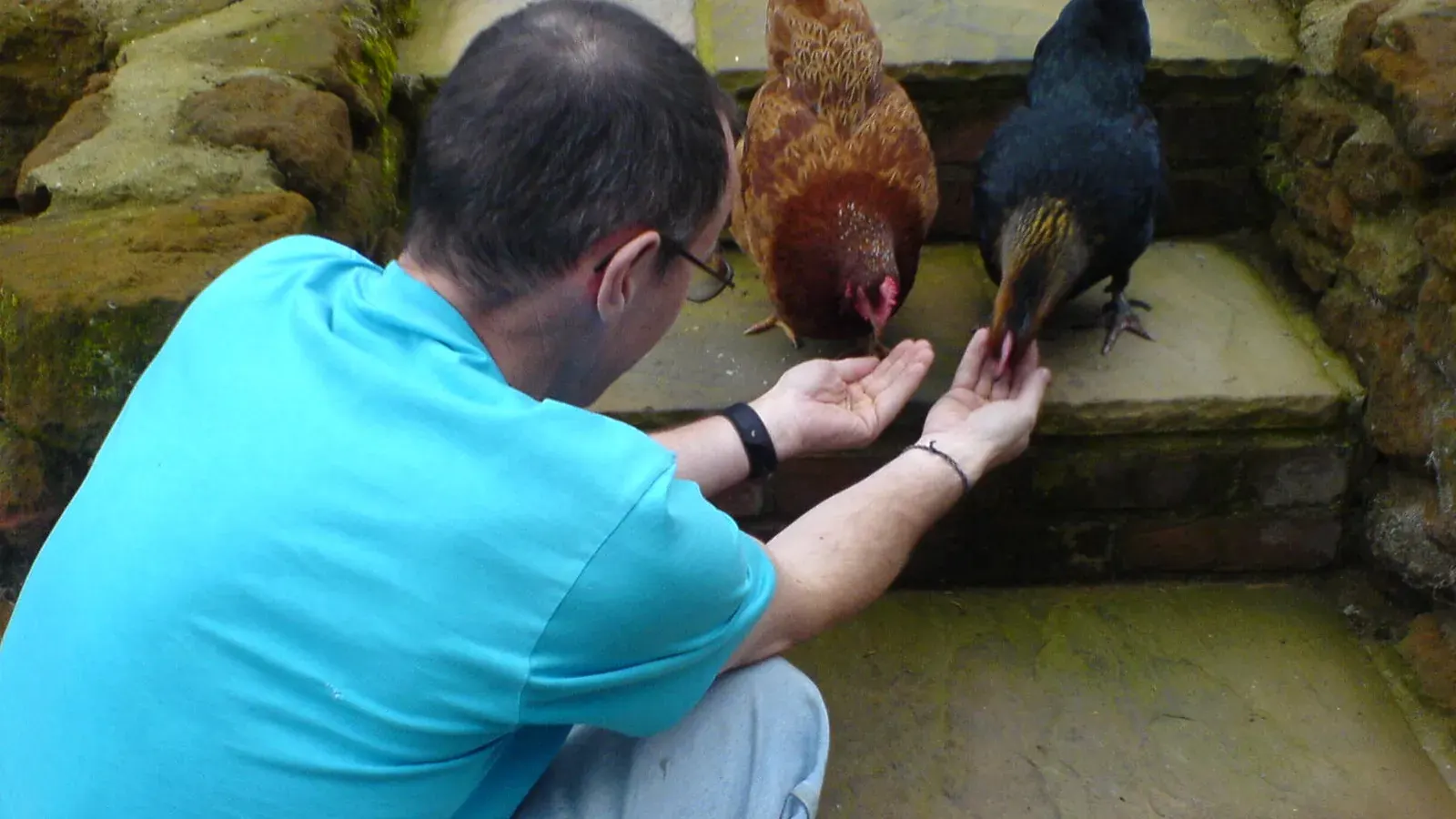
Treats are the most enjoyable part of keeping chickens and the easiest way to quietly damage a laying flock. Everything on this page displaces properly balanced layer feed, and layer feed is where the protein and the eggshell calcium come from.
The rule that keeps this in proportion is simple. Treats should stay under about 10 percent of what a bird eats in a day. For a standard hen eating a quarter pound daily, that is roughly a tablespoon and a half of treats. A generous handful each, twice a day, is well past it.
With that established, we compared six treats on protein, calcium, cost per pound and what each is genuinely useful for. They do different jobs: one is for training, one is for the autumn moult, one is for keeping a bored winter flock busy, and one is for winning over birds that do not trust you yet.
Our picks at a glance
Every product below wins one specific situation. Pick the row that matches your flock, your yard and your budget rather than reading top to bottom.
-
Best Overall

Manna Pro Mealworms 10 oz
Training a flock to come when called, and topping up protein during the autumn moult.
Check price on Amazon for Manna Pro Farmhouse Favorites Mealworms Chicken Treat for Poultry, 10 oz on AmazonAbout $7.99 checked Aug 8, 2026
-
Best Value Protein

Larvevo BSFL 5 lb
Regular treating of a laying flock, where the calcium content makes them a better everyday choice than mealworms.
-
Best Winter Scratch

Manna Pro 7-Grain
Scattering in a run on winter afternoons to keep a confined flock busy and warm before roosting.
Check price on Amazon for Manna Pro 7-Grain Ultimate Chicken Scratch Treat, Non-GMO, 10 lb Bag on AmazonAbout $15.49 checked Aug 8, 2026
-
Best Bulk Mealworms

Hatortempt 5 lb
Larger flocks, or anyone using mealworms through a full autumn moult rather than as an occasional treat.
Check price on Amazon for Hatortempt 5lb Dried Mealworms for Chickens & Wild Birds, Chicken Feed on AmazonAbout $39.99 checked Aug 8, 2026
-
Best Variety Mix

Manna Pro Harvest Delight
Settling newly acquired or nervous birds, and as an occasional enrichment treat rather than a routine one.
-
Best Sampler

Fluker's Mealworms 3.5 oz
New keepers trying mealworms for the first time, or anyone who wants a pocket-sized training treat.
Compare every pick side by side
Swipe the table sideways to see every column on a phone.
| Product | Award | Price band | Treat Type | Protein | Pack Size | Cost Per Pound | Best use case | Buy link |
|---|---|---|---|---|---|---|---|---|
| Manna Pro Mealworms 10 oz | Best Overall | Under $30 | Dried mealworms | About 50% | 10 oz | Higher, small pack | Training a flock to come when called, and topping up protein during the a… | Check price for Manna Pro Farmhouse Favorites Mealworms Chicken Treat for Poultry, 10 oz on Amazon |
| Larvevo BSFL 5 lb | Best Value Protein | Under $30 | Black soldier fly larvae | About 45% | 5 lb | Low for the protein level | Regular treating of a laying flock, where the calcium content makes them… | Check price for Larvevo 5LB Non-GMO Dried Black Soldier Fly Larvae for Chickens 45% Protein High Calcium Chicken Feed Alternative to Mealworms, Dried BSF Larvae Chicken Treats for Laying Hens Ducks Birds Reptiles on Amazon |
| Manna Pro 7-Grain | Best Winter Scratch | Under $30 | Whole grain scratch | About 9% | 10 lb | Low | Scattering in a run on winter afternoons to keep a confined flock busy an… | Check price for Manna Pro 7-Grain Ultimate Chicken Scratch Treat, Non-GMO, 10 lb Bag on Amazon |
| Hatortempt 5 lb | Best Bulk Mealworms | $30 to $60 | Dried mealworms | About 50% | 5 lb | Moderate | Larger flocks, or anyone using mealworms through a full autumn moult rath… | Check price for Hatortempt 5lb Dried Mealworms for Chickens & Wild Birds, Chicken Feed on Amazon |
| Manna Pro Harvest Delight | Best Variety Mix | Under $30 | Grain, seed and dried fruit mix | About 12% | 2.25 lb | Higher | Settling newly acquired or nervous birds, and as an occasional enrichment… | Check price for Manna Pro Harvest Delight Poultry Treat, Whole Grain & Seed Mix with Fruits & Vegetables, 14% Protein Snack for Chickens, Ducks & Mixed Flocks, 2.25 lb on Amazon |
| Fluker's Mealworms 3.5 oz | Best Sampler | Under $30 | Dried mealworms | About 50% | 3.5 oz | High, sampler size | New keepers trying mealworms for the first time, or anyone who wants a po… | Check price for Fluker's Culinary Coop Premium Chicken Treats, Mealworms 3.5 oz, High Protein Worm, Nutritious Treat on Amazon |
The full reviews
Each review below follows the same order: what it is, why it won its category, how it behaves in real use, and who should buy something else.
1 Best Overall
Manna Pro Farmhouse Favorites Mealworms Chicken Treat for Poultry, 10 oz
Dried mealworms are the single most effective training treat there is, and a 10 oz pack is the right size to use them the way they should be used, which is sparingly.
What we liked
- Around 50 percent protein, so a small amount is genuinely useful during moult
- Single pieces make it the best treat for training birds to come when called
- Small pack encourages restraint, which matters given the 10 percent rule
- Consistent piece size, so treats can actually be counted out
What we did not
- Very high fat, so regular generous feeding leads to overweight hens
- Costs several times more per pound than bulk mealworm packs
- Nearly no calcium, so it dilutes a layer's calcium intake if overfed
About $7.99 checked Aug 8, 2026
Key specifications
- Dimensions
- 2.99 x 8.5 x 12 in (L x W x H)
- Weight
- 0.625 pounds
- Colour
- No Color
- Treat Type
- Dried mealworms
- Protein
- About 50%
- Pack Size
- 10 oz
- Cost Per Pound
- Higher, small pack
- Training Use
- Excellent, single-piece delivery
- Winter Use
- Good, high fat
Why Manna Pro mealworms win this category
Because of what they let you do with a flock rather than what they contain. Chickens learn very fast that a particular shake of a particular container means mealworms, and after a few days you can recall a whole flock from across a garden.
That is worth more than the nutrition. A flock that comes when called can be shut in early on a night you have to go out, moved off a flowerbed, or counted quickly after a fox scare.
Living with Manna Pro mealworms
The pieces are uniform enough that you can count them, which sounds fussy and is actually how you keep to the 10 percent rule. Ten mealworms per bird is a treat; a scooped handful each is a meal.
At around 50 percent protein they are also genuinely useful during the autumn moult, when birds are rebuilding a full coat of feathers out of protein and often look ragged and off lay.
Where Manna Pro mealworms fall short
They are rich, and that is the criticism. High protein comes with high fat, and hens fed generous mealworms daily put on internal fat, which reduces laying and shortens life. The bag will not tell you that.
They also contain very little calcium. A hen filling up on mealworms is eating less layer feed, and layer feed is where her eggshell calcium comes from, so heavy treating shows up as thin shells within a few weeks.
Cost per pound at this pack size is high. As a training aid that is fine, because you are using small quantities deliberately. As a daily supplement for a flock, buy in bulk instead.
Research based, not hands-on
Assessed on the published protein content and pack size, and compared against bulk mealworms and black soldier fly larvae on cost per pound and nutritional profile.
- Best for
- Training a flock to come when called, and topping up protein during the autumn moult.
- Skip it if
- You want a daily treat for a large flock, because the cost per pound at this pack size is high.
- The limitation to plan around
- Mealworms are rich enough that they are easy to overuse. Treats of any kind should stay under about 10 percent of daily intake, and a generous handful of mealworms twice a day for six hens is already past that.
2 Best Value Protein
Larvevo 5LB Non-GMO Dried Black Soldier Fly Larvae for Chickens 45% Protein High Calcium Chicken Feed Alternative to Mealworms, Dried BSF Larvae Chicken Treats for Laying Hens Ducks Birds Reptiles
Black soldier fly larvae carry far more calcium than mealworms at a lower cost per pound, which makes them the better everyday treat for laying hens.
What we liked
- Substantially higher calcium than mealworms, so it supports shells rather than diluting them
- Around 45 percent protein at a much lower cost per pound than mealworms
- Farmed on organic waste streams, so the production footprint is far smaller
- 5 lb pack is the right size for regular use with a normal flock
What we did not
- Harder outer casing means some birds take longer to accept them than mealworms
- Larger pieces are awkward for bantams and young birds
- Still a treat, so the 10 percent rule applies exactly as it does to mealworms
Key specifications
- Size
- 5 Pound (Pack of 1)
- Weight
- 5 pounds
- Treat Type
- Black soldier fly larvae
- Protein
- About 45%
- Pack Size
- 5 lb
- Cost Per Pound
- Low for the protein level
- Training Use
- Very good
- Winter Use
- Good, plus high calcium
Why Larvevo BSFL wins this category
Calcium, which is the specification that separates a good treat for laying hens from a merely enjoyable one.
Mealworms are almost calcium-free, so every mealworm a hen eats displaces layer feed and dilutes her calcium intake. Black soldier fly larvae carry a great deal more, which means treating a laying flock with them does not work against their eggshells.
They also cost meaningfully less per pound at comparable protein, which makes regular use affordable in a way that bulk mealworms are not.
Living with Larvevo BSFL
At five pounds this is the right quantity for regular use with a backyard flock. It is not a sampler and it is not an industrial sack.
The production story is a genuine differentiator rather than marketing. Black soldier fly larvae are farmed on organic waste, converting food waste into protein, which is a far smaller footprint than most animal protein sources.
Where Larvevo BSFL falls short
Acceptance. The casing is tougher and the shape less familiar than a mealworm, and a flock that has been getting mealworms will initially sort them out and leave them. The standard fix is to mix a handful into their usual mealworms for a week, after which they take them readily, but it is a real transition rather than a straight swap.
Piece size is a related issue. Bantams and young birds find larger larvae awkward, and in a mixed flock the big birds get most of them.
And they remain a treat. Higher calcium makes them a better treat, not a feed, and the 10 percent of daily intake rule applies exactly as it does to everything else on this page.
Research based, not hands-on
Assessed on published protein and calcium content and pack size, and compared against mealworms on nutritional profile and cost per pound.
- Best for
- Regular treating of a laying flock, where the calcium content makes them a better everyday choice than mealworms.
- Skip it if
- You are training birds and need instant acceptance, because mealworms are taken more readily at first.
- The limitation to plan around
- Birds used to mealworms will initially pick around these because the casing is tougher and less familiar. Mixing them into mealworms for the first week is usually needed before a flock takes them enthusiastically.
3 Best Winter Scratch
Manna Pro 7-Grain Ultimate Chicken Scratch Treat, Non-GMO, 10 lb Bag
A cracked-grain scratch mix that gives birds something to work at all afternoon and a metabolic warm-up before a cold night, which is what scratch is genuinely for.
What we liked
- Scattering it gives a confined flock hours of foraging activity
- Digesting grain generates body heat, which is useful late on a winter afternoon
- Non-GMO and around a tenth of the cost per pound of mealworms
- Ten pound bag is the practical size for regular scattering
What we did not
- Only around 9 percent protein, so it dilutes a layer ration significantly
- Cracked corn is high energy and puts weight on hens quickly
- Scattered grain on the ground attracts rodents if you overdo it
About $15.49 checked Aug 8, 2026
Key specifications
- Dimensions
- 16 x 11.75 x 3 in (L x W x H)
- Weight
- 10 pounds
- Colour
- Original Version
- Treat Type
- Whole grain scratch
- Protein
- About 9%
- Pack Size
- 10 lb
- Cost Per Pound
- Low
- Training Use
- Good for scatter feeding
- Winter Use
- Excellent, cracked corn warmth
- Bag Size
- 10 lb bag
- Grains Listed
- Corn, wheat, milo, barley, oats, sunflower seeds and millet, including purple corn
- Stated Protein
- Not stated as a figure, listing only says high protein and high fibre
- Certifications
- Naturally non-GMO, no artificial colours or flavours, made in the USA
- Corn And Soy
- Contains corn, soy status not stated
- Feeding Guidance
- Listed for mixed flocks of chickens, ducks, geese, turkeys and gamebirds as an energy source
Why Manna Pro 7-Grain Scratch wins this category
Because it does two things that no protein treat does.
The first is behavioural. A confined flock in winter is bored, and bored chickens pick each other's feathers. Scattering scratch across the run floor gives them something to scratch, sort and search for that takes hours rather than seconds. It is the cheapest enrichment there is.
The second is thermal. Digesting grain, particularly corn, generates metabolic heat. A handful scattered in the late afternoon means birds go to roost with a full crop and something to burn overnight.
Living with Manna Pro 7-Grain Scratch
Ten pounds at a low cost per pound makes daily scattering realistic. This is a treat you can actually afford to use regularly, unlike mealworms.
The right technique is scattering rather than putting it in a feeder. In a feeder it is just cheap food; scattered across litter it is an activity.
Where Manna Pro 7-Grain Scratch falls short
Nutritionally it is poor, and that has to be stated clearly because so many people feed it as though it were a ration. At around 9 percent protein it is well below the 16 percent a laying hen needs, so every mouthful of scratch displaces a mouthful of properly balanced feed.
Fed generously, the result is predictable: laying drops, birds put on weight from the corn, and shells thin because layer feed with its calcium is being displaced.
The traditional guidance is right. A small handful per bird, in the late afternoon, and no more.
Rodents are the other consequence. Grain scattered on the ground and not fully eaten by dusk is a rat invitation, so scatter only what the flock will clear before dark.
Research based, not hands-on
Assessed on the published grain mix and protein content, and compared against protein treats on nutritional profile and behavioural value.
- Best for
- Scattering in a run on winter afternoons to keep a confined flock busy and warm before roosting.
- Skip it if
- Your birds are already carrying too much weight, or you are fighting a rodent problem.
- The limitation to plan around
- Scratch is a treat and not a feed, and at 9 percent protein it is a poor one nutritionally. Fed generously it displaces layer ration and laying drops, which is why the traditional advice is a small handful per bird in the late afternoon and no more.
4 Best Bulk Mealworms
Hatortempt 5lb Dried Mealworms for Chickens & Wild Birds, Chicken Feed
Five pounds of mealworms at a sensible cost per pound, which is the right way to buy them if your flock is large enough that small packs disappear in a week.
What we liked
- Cost per pound is a fraction of the 10 oz and 3.5 oz packs
- Around 50 percent protein, genuinely useful during moult
- Five pounds lasts a normal flock a whole moult season
- Also suitable for wild birds, so nothing goes to waste
What we did not
- Buying in bulk makes overfeeding considerably easier
- Dried mealworms absorb moisture and go soft if the bag is not resealed properly
- Very low calcium, so heavy use works against eggshell quality
About $39.99 checked Aug 8, 2026
Key specifications
- Dimensions
- 13.9763779385 x 11.6141732165 x 4.9212598375 in (L x W x H)
- Weight
- 5 pounds
- Treat Type
- Dried mealworms
- Protein
- About 50%
- Pack Size
- 5 lb
- Cost Per Pound
- Moderate
- Training Use
- Excellent
- Winter Use
- Good, high fat
- Bag Weight
- 5 lb
- Stated Protein
- 52%
- Stated Fat
- 20%, with 10% fibre
- Insect Type
- Non-GMO dried mealworms
- Processing
- Quick-dried for crispness, strict quality checks
- Packaging
- Thick resealable zip-top bag, no refrigeration needed
Why Hatortempt bulk mealworms win this category
Arithmetic. Mealworms in a 3.5 oz sampler cost several times per pound what they cost in a five pound bag, and if you are using them regularly the small packs are simply an expensive habit.
For anyone feeding a flock through the autumn moult, when extra protein genuinely helps, five pounds is the quantity that gets you through a season without three reorders.
Living with Hatortempt bulk mealworms
Five pounds covers a normal backyard flock for a full moult period at sensible rates, which is roughly a small handful per bird a few times a week for six to eight weeks.
They work for wild birds too, so if your flock goes off them or you have leftovers at the end of the season, nothing is wasted.
Where Hatortempt bulk mealworms fall short
The bag size is the problem, and it is a behavioural one rather than a product defect. A big bag of something birds love, sitting in a shed, gets used generously. The 10 percent of daily intake rule does not move because you bought in bulk, and the reliable outcome of overfeeding mealworms is overweight hens, reduced laying and thinner shells from displaced layer feed.
If you buy this, decant a week's worth into a small container and leave the bag closed.
Storage is a practical issue too. Dried mealworms are hygroscopic and will take up moisture from the air, going soft and eventually mouldy in a poorly sealed bag. Transfer to an airtight container rather than relying on the packaging.
They are also nearly calcium free, which matters more the more of them you feed.
Research based, not hands-on
Assessed on the published protein content and pack size, and compared against smaller mealworm packs and black soldier fly larvae on cost per pound.
- Best for
- Larger flocks, or anyone using mealworms through a full autumn moult rather than as an occasional treat.
- Skip it if
- You have three hens and no self-control, because five pounds of mealworms is a lot of temptation.
- The limitation to plan around
- Bulk quantity is the enemy of restraint. The 10 percent rule does not change because the bag is bigger, and the most common outcome of buying mealworms in bulk is overweight hens and thinner eggshells.
5 Best Variety Mix
Manna Pro Harvest Delight Poultry Treat, Whole Grain & Seed Mix with Fruits & Vegetables, 14% Protein Snack for Chickens, Ducks & Mixed Flocks, 2.25 lb
Grains, seeds and dried fruit in one mix, which is the treat that gets a nervous or newly rehomed flock interested in you within a couple of days.
What we liked
- Variety means there is something in it for every bird's preference
- Around 12 percent protein, better than plain scratch
- Fruit pieces are novel enough to interest birds that ignore grain
- Small 2.25 lb bag suits occasional rather than daily use
What we did not
- Birds pick out the fruit and leave much of the grain, so waste is high
- Costs several times more per pound than plain scratch
- Sugars in dried fruit are not something a hen's diet needs
Key specifications
- Dimensions
- 3 x 6 x 11 in (L x W x H)
- Weight
- 1.717 pounds
- Treat Type
- Grain, seed and dried fruit mix
- Protein
- About 12%
- Pack Size
- 2.25 lb
- Cost Per Pound
- Higher
- Training Use
- Good, birds pick favourites
- Winter Use
- Moderate
Why Manna Pro Harvest Delight wins this category
Novelty, which has a specific and genuinely useful application. Newly acquired hens, or birds recovering from a move or a scare, are wary of people and slow to settle. A treat that is visually interesting and varied gets their attention faster than a uniform grain does.
Two or three days of scattering something like this, and a flock that would not come within ten feet of you starts following you around the run.
Living with Manna Pro Harvest Delight
Twelve percent protein is a step up from plain scratch's nine, which makes it a slightly less diluting treat if you are using it regularly.
The small bag size is appropriate. This is an occasional-use product and a 2.25 lb bag reflects that rather than encouraging daily feeding.
Where Manna Pro Harvest Delight falls short
Selective feeding is guaranteed and it is the main criticism. Give a flock a mix containing dried fruit and they will find every piece of fruit first, then work through the seeds, then largely ignore the grain. What is left sits on the ground.
That wastes a substantial part of a bag that already costs several times what plain scratch costs, and grain lying uneaten at dusk is exactly what brings rats.
The sugar content is a smaller but real point. Dried fruit is concentrated sugar, and while a small amount is harmless, it is not something a laying hen's diet has any requirement for.
If what you want is enrichment and foraging activity, plain scratch does that job at a tenth of the price. This earns its place for the specific task of winning over a nervous flock.
Research based, not hands-on
Assessed on the published composition, protein content and pack size, and compared against single-ingredient treats on waste and cost.
- Best for
- Settling newly acquired or nervous birds, and as an occasional enrichment treat rather than a routine one.
- Skip it if
- You want value per pound, because plain scratch does most of the same job for a fraction of the price.
- The limitation to plan around
- Selective eating is guaranteed with a mix like this. Hens go straight for the fruit and leave a good proportion of the grain on the ground, which both wastes the bag and leaves grain out overnight for rodents.
6 Best Sampler
Fluker's Culinary Coop Premium Chicken Treats, Mealworms 3.5 oz, High Protein Worm, Nutritious Treat
Three and a half ounces of mealworms for the price of a coffee, which is the right way to find out whether your flock takes to them before committing to five pounds.
What we liked
- Cheapest way to test whether mealworms suit your flock and your routine
- Small enough to keep in a pocket for daily training sessions
- Same roughly 50 percent protein as bulk mealworms
- Resealable pack, so it stays dry between uses
What we did not
- By far the highest cost per pound of any treat in this comparison
- 3.5 oz disappears in under a week with even a small flock
- Very low calcium, as with all mealworms
Key specifications
- Dimensions
- 2 x 6 x 7 in (L x W x H)
- Colour
- Meal Worm
- Treat Type
- Dried mealworms
- Protein
- About 50%
- Pack Size
- 3.5 oz
- Cost Per Pound
- High, sampler size
- Training Use
- Excellent
- Winter Use
- Good, but the pack runs out fast
Why Fluker's mealworms win this category
Because there is a real question worth answering cheaply before you buy in bulk: does your flock actually take to mealworms, and will you actually use them?
Some flocks are indifferent. Some keepers buy a five pound bag with good intentions and find it in the shed a year later, gone soft. Three and a half ounces answers both questions for the price of a coffee.
Living with Fluker's mealworms
The pack size makes it a pocket treat. Training a flock to come when called works best in short, frequent sessions, and a small resealable pouch you can carry means those sessions happen rather than being planned.
The resealable pack also matters more than it sounds. Dried mealworms take up moisture from the air and go soft, and a bag you can actually close keeps them usable.
Where Fluker's mealworms fall short
Cost per pound, and it is the highest on this page by a wide margin. Buying mealworms in 3.5 oz packets is the equivalent of buying flour in single-serve sachets.
It is also genuinely small. Six hens getting a modest training handful each will finish this in under a week, so as anything other than a trial it means constant reordering at the worst possible price.
And like every mealworm product, the calcium content is negligible. Used as a training treat in small quantities that does not matter. Used generously it displaces layer feed and shows up in eggshell quality within a few weeks.
Buy one of these, find out whether your birds care, and then buy the five pound bag if they do.
Research based, not hands-on
Assessed on the published protein content and pack size, and compared against bulk mealworm packs on cost per pound.
- Best for
- New keepers trying mealworms for the first time, or anyone who wants a pocket-sized training treat.
- Skip it if
- You already know your flock likes mealworms, because buying them this way is very expensive.
- The limitation to plan around
- The cost per pound is several times that of a bulk bag. This is a sensible first purchase and an expensive habit, and anyone still buying 3.5 oz packs after a month is paying a large premium for packaging.
How we compared these treats
We recorded published protein content for each and looked at calcium separately, because for a laying flock calcium is the specification that decides whether a treat works with the ration or against it.
Cost per pound was calculated across every pack size, which reorders the field substantially: the same mealworms cost several times more per pound in a sampler than in a bulk bag.
We then matched each treat to the job it does well, because these products are not interchangeable. A training treat, a moult supplement, a winter enrichment and a settling treat are four different requirements.
What actually matters in a chicken treat
The 10 percent rule
Everything here displaces layer feed, and layer feed is the only thing in your birds' diet that is nutritionally complete.
A standard hen eats about a quarter pound a day. Ten percent of that is roughly a tablespoon and a half. That is the whole budget, and it is far less than most people give.
The way to keep to it is to decide the quantity before you go out, rather than scooping from a bag while a flock crowds round your feet.
Calcium, and why mealworms are a trap
Mealworms are the treat everybody buys and they contain almost no calcium.
A laying hen needs a large amount of calcium daily to build a shell, and it comes from her layer ration. Every mealworm she eats instead of feed is calcium she does not get. Feed enough of them and shells get visibly thinner within weeks.
Black soldier fly larvae carry substantially more calcium at similar protein, which is why they are the better everyday choice for a laying flock even though mealworms are more readily accepted.
Protein, and the autumn moult
There is one point in the year where a high-protein treat does real work. Feathers are largely protein, and a hen regrowing an entire coat in autumn while still being asked to lay is under genuine nutritional pressure.
Six to eight weeks of extra protein through the moult is the single most useful thing treats can do.
Enrichment, which is not about nutrition at all
A confined flock in winter is bored, and boredom produces feather picking, which once it starts is very difficult to stop.
Scattering scratch across litter gives birds hours of scratching and searching. Nutritionally it is a poor feed. Behaviourally it is the cheapest and most effective enrichment available, which is why it survives as a tradition despite the nutritional criticism.
A sensible treat routine
Most keepers do well with something like this.
Through spring and summer, minimal treats. The birds are laying well, foraging outside and do not need supplementing. A small training handful is plenty.
Through the autumn moult, a protein treat several times a week for six to eight weeks.
Through winter, a small handful of scratch per bird in the late afternoon, scattered rather than in a feeder, for warmth and for something to do.
And whenever birds are new, nervous or unsettled, whatever they will actually take, for as many days as it takes to win them over.
Final recommendation
Manna Pro Farmhouse Mealworms is the best all-round treat because training a flock to come when called is worth more than any nutritional argument, and mealworms do that better than anything else.
For regular treating of laying hens, Larvevo BSFL is nutritionally the better choice because the calcium works with your birds rather than against them. For winter enrichment, Manna Pro 7-Grain Scratch does the job at a tenth of the cost of anything else here. And if you are just finding out whether your flock cares, Fluker's 3.5 oz is the cheap way to ask.
Questions people ask before buying
How many treats can chickens have per day?
Under about 10 percent of total daily intake. A standard laying hen eats roughly a quarter pound of feed a day, so 10 percent is about a tablespoon and a half of treats. Beyond that, treats start displacing the balanced ration, and because most treats are low in calcium and low in the vitamins a layer needs, the result shows up as thinner eggshells and reduced laying within a few weeks.
Are mealworms good for chickens?
Excellent in small quantities and easy to overdo. At around 50 percent protein they are genuinely useful during the autumn moult, when birds are rebuilding a full coat of feathers, and they are the most effective training treat available because chickens learn to associate them with you very quickly. They are also high in fat and almost calcium-free, so fed generously they produce overweight hens and thinner shells.
Are black soldier fly larvae better than mealworms?
For regular treating of laying hens, yes. They carry substantially more calcium than mealworms at similar protein, which means they support eggshell quality rather than diluting it, and they usually cost less per pound. Mealworms remain better for training, because birds accept them instantly, where a flock used to mealworms often needs a week of mixing before it takes larvae enthusiastically.
Is scratch grain bad for chickens?
Not bad, but frequently misused. Scratch is around 9 percent protein against the 16 percent a laying hen needs, so it is a treat rather than a feed, and fed in quantity it dilutes the ration and puts weight on birds. Used properly, meaning a small handful per bird scattered in the late afternoon, it gives a bored flock hours of foraging and a crop full of grain to burn overnight, which is genuinely useful in winter.
What kitchen scraps can chickens eat?
Most vegetables, cooked grains, and fruit in moderation are fine. Avoid anything mouldy, avocado, raw dried beans, and heavily salted or fried food. Onion and garlic in quantity can affect egg flavour. It is also worth checking local rules, because some jurisdictions restrict feeding kitchen scraps to poultry entirely. Whatever you feed, it still counts toward the 10 percent.
Do treats stop hens from laying?
Indirectly, yes, if you overdo it. A hen that fills up on scratch or mealworms eats less layer feed, and layer feed is where her protein, calcium and vitamins come from. The usual sequence is that shells get thinner first, then laying frequency drops, and it is easy to blame the season or the breed rather than the treats. Cutting treats back for two weeks is a quick way to test it.
Why you can trust this guide
- Written by
- Marta Voss, Editor and fact checker, Chicken Geek. Specialist areas: Editorial fact checking, Chick brooding and starter nutrition, Small-flock husbandry, Feed labels and nutrition claims.
- Fact checked by
- Sam Reddick
- Published
- August 6, 2026 · Last updated August 6, 2026 · Products and links rechecked August 6, 2026
- How we picked
- Treats were compared on published protein content, calcium content relative to laying requirements, cost per pound calculated across all pack sizes, and what specific job each one does well: training, moult support, winter enrichment or settling nervous birds.
- Evidence used
- None of the 6 products on this page were sent to us or bought for a hands-on test. Every recommendation here is research based: manufacturer specifications, listed dimensions and materials, owner feedback at volume, and comparison against equipment our team has owned. Each review states this again above the buy button so you are never guessing which kind of evidence sits behind a pick.
- Editorial standards
- No brand pays for placement, and no manufacturer sees this page before it goes live. Read our editorial policy and testing method.
- Affiliate disclosure
- Chicken Geek is reader supported. We earn a commission from qualifying purchases made through links on this page, at no extra cost to you, and no brand has paid for a placement or an award here.
About the author

Editor and fact checker, Chicken Geek
Marta edits every guide on Chicken Geek and checks that each claim can be traced back to a manufacturer specification, a published standard or a stated first-hand observation. She keeps a small backyard flock of six hens and has raised chicks from day one for eight seasons.
- Eight seasons raising chicks from day-old to point of lay
- Checks every specification in a Chicken Geek guide against the manufacturer listing
- Removes any testing claim that cannot be backed up
- Keeps a flock of six hens in a suburban backyard