We Compared 6 Chicken Pluckers. Scalding Matters More Than the Machine
We compared six chicken pluckers on drum size, motor torque and birds per cycle, and explain why scalding temperature matters more than the machine.

By Sam Reddick Lead gear reviewer, Chicken Geek
Fact checked by Marta Voss
Published Prices and stock checked 7 min read
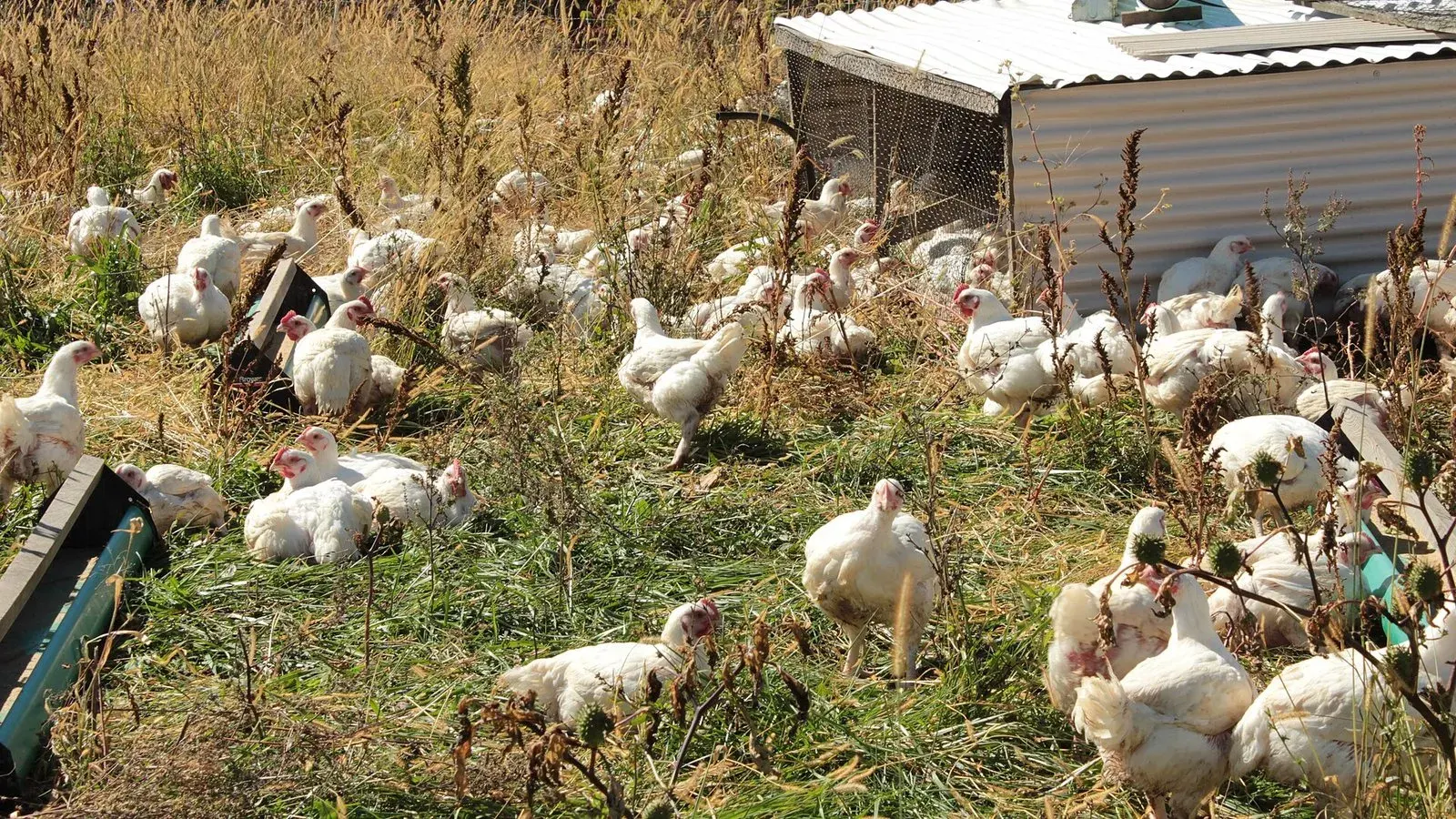
This guide is for smallholders and homesteaders raising meat birds who have reached the point where hand plucking is no longer a reasonable use of an afternoon.
Before any of the machines, the single most useful thing in this guide: the plucker is not what determines whether feathers come out. Scalding is. Feathers release when the bird has been held at roughly 145 to 150 F for about 45 to 60 seconds, which loosens the follicles. Too cool and the feathers stay locked in and no machine will shift them. Too hot and the skin tears.
Most people who conclude their plucker is poor have a scalding problem. A thermometer and a timer will do more for your results than moving up a price bracket.
With that said, we compared six on drum diameter, motor torque, birds per cycle and parts availability, and we have included one drill attachment because for a lot of readers that is genuinely the right purchase.
Our picks at a glance
Every product below wins one specific situation. Pick the row that matches your flock, your yard and your budget rather than reading top to bottom.
-
Best Overall

Yardbird 21833
Smallholders processing twenty-five or more birds a season, where hand plucking becomes an unreasonable amount of work.
-
Best Large Batch

VEVOR 23.6 in Plucker
Anyone processing fifty or more birds a season, where handling birds one at a time makes the day unreasonably long.
-
Best for Mid-Size Batches

Kitchener 20 in Plucker
Processing thirty to fifty birds a season, where a full 20 inch stainless drum is worth having in its own right.
-
Best Value Drum

VEVOR 15.7 in Plucker
Smallholders processing fifteen to thirty birds a season who want a real drum plucker without the premium price.
-
Best Premium

Yardbird 44204
Anyone who processes birds regularly enough that a full day at the plucker is a normal event rather than an annual one.
-
Best Budget

YardYield Drill Plucker
Processing a handful of birds a year, where a drum machine cannot be justified but hand plucking is miserable.
Check price on Amazon for 18-Finger Drill Chicken Plucker Attachment for Chicken Quail Pigeon on AmazonAbout $29.99 checked Aug 8, 2026
Compare every pick side by side
Swipe the table sideways to see every column on a phone.
The full reviews
Each review below follows the same order: what it is, why it won its category, how it behaves in real use, and who should buy something else.
1 Best Overall
Yardbird 21833 Chicken Plucker, Stainless Steel, 1.5 HP Motor, 20-inch Drum, 110 Natural Soft Fingers, Integrated Irrigation Ring, Transport Wheels, Simple Debris Collection
A 20 inch drum with a 1.5 HP motor from the brand most US smallholders end up on, which clears a properly scalded bird in about twenty seconds.
What we liked
- 1.5 HP has the torque to keep drum speed under load rather than bogging down
- Stainless steel body that can be hosed down and sanitised properly
- Around 106 fingers, enough coverage that birds come out clean in one pass
- Well-supported brand with replacement fingers readily available
What we did not
- No scalder included, and plucking fails without correct scalding
- Around 200 lb of machine at a price most people find hard to justify for a few birds
- Bulky to store and awkward to move once assembled
Key specifications
- Dimensions
- 27 x 31 x 36 in (L x W x H)
- Colour
- Stainless Steel
- Drum Diameter
- 20 in
- Motor Power
- 1.5 HP
- Birds Per Cycle
- 1 to 2 broilers
- Pluck Time
- About 20 seconds per bird
- Body Material
- Stainless steel
- Finger Count
- About 106
Why the Yardbird 21833 wins this category
Torque, which is the specification that separates a plucker that works from one that stalls. Wet feathers and a bird's weight load the drum heavily, and an underpowered motor slows under that load, at which point the fingers stop flexing properly and the bird comes out half plucked.
One and a half horsepower holds drum speed under load. That is why twenty seconds is a realistic figure here and not on cheaper machines.
Living with the Yardbird 21833
Stainless steel matters for a machine handling raw poultry. It can be hosed, scrubbed and sanitised properly, and it does not hold residue in a seam the way painted steel does.
Finger availability is the practical ownership point. Rubber fingers wear and tear, and a machine from a supported brand means you replace six fingers rather than the whole plucker.
Where the Yardbird 21833 falls short
Price, and then the scalder gap.
The price is defensible only at volume. Processing twenty-five or more birds a season makes the time saving real; processing six does not, and a drill attachment or hand plucking will cost you an afternoon and almost nothing.
The scalder omission is the more important point and it applies to every machine on this page. Feather release depends on scalding at roughly 145 to 150 F for around 45 to 60 seconds, which loosens the follicle. Too cool and the feathers stay locked in. Too hot and the skin tears. No plucker compensates for either, and most people who conclude their plucker is poor actually have a scalding problem.
Budget for a scalding pot with a thermometer alongside the machine.
Research based, not hands-on
Assessed on the published motor rating, drum diameter and finger count, and compared against smaller and drill-driven pluckers on throughput.
- Best for
- Smallholders processing twenty-five or more birds a season, where hand plucking becomes an unreasonable amount of work.
- Skip it if
- You process fewer than about fifteen birds a year, because hand plucking or a drill attachment is far cheaper.
- The limitation to plan around
- A plucker without a scalder is half a system. Feathers only release when the bird has been scalded at the right temperature for the right time, and no machine will pull feathers cleanly off an under-scalded bird.
2 Best Large Batch
VEVOR Chicken Plucker Machine, 23.6 in Drum, 2200W & 240RPM Electric Chicken Plucking Machine with 119 Soft Fingers & Transport Wheels, Stainless Steel Feather Remover for Processing 2-4 Chicks Once
A 23.6 inch drum with 2200 watts behind it, which takes two or three birds at once and is the fastest way through a large batch on this page.
What we liked
- Two to three birds per cycle, roughly doubling throughput over a 20 in drum
- 2200 W has ample torque, so drum speed holds even with a full load
- Around 130 fingers gives good coverage across a larger drum
- Stainless construction that can be properly sanitised
What we did not
- Large and heavy, so it needs a dedicated space and is awkward to move
- Overkill for anyone processing fewer than about fifty birds a season
- Generic-brand replacement fingers may be difficult to source later
Key specifications
- Dimensions
- 25.2 x 25.2 x 35.83 in (L x W x H)
- Weight
- 88.18 pounds
- Colour
- Silver
- Drum Diameter
- 23.6 in
- Motor Power
- 2200 W
- Birds Per Cycle
- 2 to 3 broilers
- Pluck Time
- About 20 seconds per batch
- Body Material
- Stainless steel
- Finger Count
- About 130
Why the VEVOR 23.6 in wins this category
Throughput, which becomes the dominant factor once batch size passes about fifty birds.
A 20 inch drum handles one or two birds. A 23.6 inch drum takes two or three. Over a batch of eighty that difference is measured in hours, and processing days are long enough already.
The 2200 watt motor is what makes the larger capacity real rather than theoretical. Three wet birds is a serious load, and a machine without the torque to hold drum speed under it plucks worse the fuller it gets.
Living with the VEVOR 23.6 in
Torque margin shows up as consistency. The drum runs at the same speed with three birds as with one, so the quality of the pluck does not drop off as you load it up.
Stainless throughout means the whole machine can be hosed and sanitised at the end of a processing day, which at this scale is not optional.
Where the VEVOR 23.6 in falls short
Size is the immediate practical problem. This is a large, heavy machine that needs a dedicated space, and it is not something you move out of the way between uses.
The scalding discipline point is specific to batch loading. Feather release depends entirely on each bird having been scalded correctly, and when you drop three in at once, one under-scalded bird comes out half feathered and has to be run again. Larger batches make it easier to lose track of which bird went into the scald when, so a timer and a thermometer matter more here, not less.
And the parts question applies as it does to any generic machine. Rubber fingers wear out, and a plucker you cannot re-finger in three years is an expensive piece of scrap.
Research based, not hands-on
Assessed on the published drum diameter, motor rating and finger count, and compared against smaller drums on birds per cycle.
- Best for
- Anyone processing fifty or more birds a season, where handling birds one at a time makes the day unreasonably long.
- Skip it if
- You process a dozen birds a year, because this is a large piece of equipment sitting idle 360 days of the year.
- The limitation to plan around
- Loading two or three birds together only works if they were all scalded correctly. One under-scalded bird in a batch comes out half feathered and has to be redone, and a bigger drum makes it easier to lose track of which bird went in when.
3 Best for Mid-Size Batches
Kitchener Chicken Plucker De-Feather Remover Poultry and Fowl Food Processor Electric Stainless Steel Heavy Duty 1HP 120VAC 280RPM GFCI Connector 92 Soft Fingers 20" Drum Diameter
A 20 inch drum with 1 HP that sits near the top of this price range, so it is a drum-size choice rather than a money-saving one for a mid-size batch.
What we liked
- Full 20 in drum, so it takes one to two birds like the premium machines
- Around 106 fingers gives the same coverage as the Yardbird
- Stainless construction that can be hosed and sanitised
- Costs less than the top-spec Yardbird while matching its 20 in drum size
What we did not
- 1 HP against 1.5 HP means less torque margin with a heavy or wet load
- No scalder, no hose fitting and no stand included
- Parts support is thinner than the established brands
Key specifications
- Dimensions
- 22 x 23 x 22 in (L x W x H)
- Weight
- 64 pounds
- Colour
- Stainless
- Drum Diameter
- 20 in
- Motor Power
- 1 HP
- Birds Per Cycle
- 1 to 2 broilers
- Pluck Time
- About 25 seconds per bird
- Body Material
- Stainless steel
- Finger Count
- About 106
Why the Kitchener wins this category
Because it gets the drum size right. Drum diameter determines how a bird tumbles inside the machine, and a full 20 inch drum lets a broiler rotate freely so every surface meets the fingers. Smaller drums restrict that movement and produce a less even pluck.
Getting a full 20 inch drum and a stainless body that can be sanitised is the whole argument here. Be clear that it is not a price argument: this costs more than the standard Yardbird, not less, so you are buying it for the drum and the build rather than to save money.
Living with the Kitchener
Coverage is what you notice in the finished bird. One hundred and six fingers across a 20 inch drum is the same density as the Yardbird, and it shows in how few feathers need finishing by hand.
Stainless throughout means end-of-day cleaning is a hose and a scrub rather than a careful wipe around painted seams.
Where the Kitchener falls short
The motor is the compromise, and it is a real one rather than a paper specification. One horsepower against 1.5 means less headroom when the drum is loaded with a wet bird, and drum speed is what makes rubber fingers flex and grab. When speed drops, the pluck gets worse.
With standard broilers that margin is adequate. With a large heavy bird, or two at once, it is working near its limit, and this is the machine we would avoid for turkeys.
The package is also bare. No scalder, no stand, no hose fitting. A plucker needs running water into the drum to flush feathers away, and sorting that out is on you.
Parts support is thinner than the established brands, which matters over the life of the machine because rubber fingers are consumables.
Research based, not hands-on
Assessed on the published drum diameter, motor rating and finger count, and compared against the 1.5 HP machines on torque margin.
- Best for
- Processing thirty to fifty birds a season, where a full 20 inch stainless drum is worth having in its own right.
- Skip it if
- You process heavy birds such as large turkeys, because the torque margin is thinner than the 1.5 HP machines.
- The limitation to plan around
- One horsepower is enough for standard broilers and it is working closer to its limit than the 1.5 HP machines. With heavy birds the drum slows, the fingers stop flexing properly, and the pluck quality drops off exactly when you most want it not to.
4 Best Value Drum
VEVOR Chicken Plucker Machine, 15.7 in Drum, 550W & 275RPM Electric Chicken Plucking Machine with 114 Soft Fingers & Transport Wheels, Stainless Steel Feather Remover for Processing 1-2 Chicks Once
A 15.7 inch stainless drum at roughly half what the established brands charge, which is the cheapest genuine drum plucker worth owning.
What we liked
- Around half the price of the established-brand 20 inch machines
- Stainless steel drum and housing that can be sanitised properly
- Smaller drum means a smaller, more storable machine
- 550 W handles one broiler at a time without stalling
What we did not
- 15.7 in drum takes one bird at a time, so throughput is lower
- 550 W has less margin, so a heavy bird slows the drum noticeably
- Replacement fingers are harder to source than for the established brands
Key specifications
- Dimensions
- 23.43 x 21.89 x 31.5 in (L x W x H)
- Weight
- 42.99 pounds
- Colour
- Silver
- Drum Diameter
- 15.7 in
- Motor Power
- 550 W
- Birds Per Cycle
- 1 broiler
- Pluck Time
- About 30 seconds per bird
- Body Material
- Stainless steel
- Finger Count
- About 82
Why the VEVOR 15.7 in wins this category
Because it puts a genuine drum plucker within reach at roughly half the price of the established machines, and a drum plucker is a categorically different experience from a drill attachment. You drop a scalded bird in, run the water, count to thirty and take out a clean carcass.
For someone doing twenty birds in a day, that difference is the difference between a manageable afternoon and a long one.
Living with the VEVOR 15.7 in
Smaller is genuinely easier to live with. A 20 inch machine is a large object to store and move; this one is meaningfully more manageable in a normal shed or garage.
Stainless construction means it can be properly hosed and sanitised, which matters for equipment handling raw poultry and is not universal at this price.
Where the VEVOR 15.7 in falls short
One bird at a time is the throughput limit. The larger drums take two or three, and across a batch of thirty birds that difference compounds into a noticeably longer day.
Five hundred and fifty watts also has less margin than the 1.5 HP machines. A heavy bird loads the drum and the speed drops, and when drum speed drops the fingers stop flexing properly and the pluck gets worse. It handles standard broilers and it is working harder than the bigger machines.
The parts question is the one that decides how long you own it. Rubber fingers are consumables. They tear, they perish, and a machine needs replacements every few seasons. Established brands sell fingers as a stock item; generic machines often do not, and a plucker you cannot re-finger is scrap regardless of how good the motor is. Check availability before buying, not in three years.
Research based, not hands-on
Assessed on the published drum diameter, motor rating and construction, and compared against the larger and established-brand machines on throughput and parts support.
- Best for
- Smallholders processing fifteen to thirty birds a season who want a real drum plucker without the premium price.
- Skip it if
- You process large batches in a day, because one bird at a time becomes the bottleneck.
- The limitation to plan around
- Finger availability is the long-term risk. Rubber fingers are consumables that tear and perish, and a machine whose fingers are hard to source becomes scrap long before the motor gives up.
5 Best Premium
Yardbird 44204 Chicken Plucker, Easy On/Off Button, Integrated Hose and Cord Hooks, 20" Stainless Steel Tub, 1.2 HP Motor, 111 Natural Soft Fingers, Integrated Irrigation Ring and Included Y-Valve
The Yardbird with the hose and cord management built in, which sounds like a detail until you have spent a processing day working around a loose hose and a trailing cable.
What we liked
- Integrated hose and cord handling removes two genuine trip hazards
- Same 1.5 HP motor and 20 in drum as the standard Yardbird
- Single on and off button rather than a switch you hunt for with wet hands
- Best parts and service support of any machine here
What we did not
- The most expensive machine in this comparison by a clear margin
- The improvements are ergonomic rather than performance related
- Still no scalder, at a price where one might reasonably be expected
Key specifications
- Dimensions
- 24.1 x 26.9 x 43.1 in (L x W x H)
- Weight
- 79 pounds
- Colour
- Stainless Steel
- Drum Diameter
- 20 in
- Motor Power
- 1.5 HP
- Birds Per Cycle
- 1 to 2 broilers
- Pluck Time
- About 20 seconds per bird
- Body Material
- Stainless steel with hose reel
- Finger Count
- About 106
Why the Yardbird 44204 wins this category
Because processing days are wet, cold, repetitive and long, and the things that make them worse are rarely the plucking itself.
A hose running across a yard and a mains cable trailing beside it are two trip hazards in a space where you are carrying carcasses with wet hands. Integrating both into the machine removes them, and the on and off button is where your hand is rather than somewhere you have to look for.
Living with the Yardbird 44204
Mechanically this is the same machine as the standard Yardbird: same 1.5 HP motor, same 20 inch drum, same finger count, same result.
What differs is the day around it. Water goes where it should, the cable stays out of the working area, and starting and stopping is a single wet-hand action.
Yardbird's parts and service support is the best here, which over a machine's life matters more than any single specification.
Where the Yardbird 44204 falls short
You are paying a significant premium for ergonomics, and the bird comes out exactly as clean as it does from the cheaper Yardbird. If your processing is two short sessions a year, that premium buys you very little.
The absence of a scalder is harder to forgive at this price. Feather release depends entirely on scalding at roughly 145 to 150 F for 45 to 60 seconds, and no plucker compensates for getting that wrong. A machine at the top of this market shipping without the component that determines whether it works is a real gap, and buyers should budget for a scalding pot and thermometer alongside it.
Research based, not hands-on
Assessed on the published motor, drum and integrated hose and cord features, and compared against the standard Yardbird on performance and ergonomics.
- Best for
- Anyone who processes birds regularly enough that a full day at the plucker is a normal event rather than an annual one.
- Skip it if
- You process a couple of small batches a year, because the standard Yardbird plucks identically for less money.
- The limitation to plan around
- You are paying a premium for ergonomics rather than for a better pluck. The bird comes out exactly as clean as it does from the standard model, so this only makes sense if long processing days are part of your year.
6 Best Budget
18-Finger Drill Chicken Plucker Attachment for Chicken Quail Pigeon
Eighteen rubber fingers on a shaft that chucks into a drill, which turns a twenty minute hand pluck into a four minute job for about thirty dollars.
What we liked
- Around a tenth the price of the cheapest drum machine
- Cuts hand plucking time by roughly three quarters
- Stores in a drawer rather than taking up a corner of a shed
- Works with any drill you already own
What we did not
- Still hands-on, so it is slow and tiring for more than a handful of birds
- Spinning fingers can catch loose clothing, hair or a careless hand
- Poor finish around wings and tail, so hand finishing is still needed
About $29.99 checked Aug 8, 2026
Key specifications
- Dimensions
- 5.7 x 2.56 x 2.56 in (L x W x H)
- Colour
- silver
- Drum Diameter
- Not applicable, hand-held
- Motor Power
- Your own drill
- Birds Per Cycle
- 1 bird at a time, by hand
- Pluck Time
- 3 to 5 minutes per bird
- Body Material
- Steel shaft with rubber fingers
- Finger Count
- 18
Why the YardYield drill plucker wins this category
Because the economics of a drum plucker do not work for most backyard keepers, and the alternative should not be twenty minutes of hand plucking per bird.
At around thirty dollars, chucked into a drill you already own, this brings a bird down to three to five minutes. For someone processing six or eight birds a year, that is the entire problem solved for the price of a bag of feed.
Living with the YardYield drill plucker
Storage is a genuine advantage that people underestimate. A drum plucker occupies a corner of a shed permanently for something used one weekend a year. This goes in a drawer.
There is nothing to set up either. Chuck it in, plug the drill in, work.
Where the YardYield drill plucker falls short
It is hands-on, and that is the fundamental limit. You hold the bird, you hold the drill, and you work over the carcass systematically. It is much faster than hand plucking and much slower than a drum, and by around the tenth bird your arms know it.
The finish is imperfect. Wings and tail have dense, well-anchored feathers, and a hand-held attachment does not reach into them well. Expect to finish those areas by hand.
The safety point deserves to be stated directly. This is a rotating tool used with wet hands on a wet surface, and rubber fingers grab. They will catch a loose sleeve, a glove or long hair, and a drill has enough torque to make that a real injury. Roll sleeves, tie hair back, do not wear loose gloves, and keep both hands on the drill.
Research based, not hands-on
Assessed on the published finger count and drive arrangement, and compared against drum machines on throughput and against hand plucking on time.
- Best for
- Processing a handful of birds a year, where a drum machine cannot be justified but hand plucking is miserable.
- Skip it if
- You process more than about fifteen birds a season, because the time saving stops being enough.
- The limitation to plan around
- This is a spinning tool held against a wet carcass with wet hands. It will catch a sleeve, a glove or loose hair if you let it, so it needs the same respect as any other power tool and a firm two-handed grip on the drill.
How we compared these pluckers
Drum diameter was the primary specification, because it determines both how many birds fit per cycle and how freely a bird tumbles, which is what produces an even pluck.
We then compared motor rating against the real load of wet birds, since a machine that loses drum speed under load stops flexing its fingers properly and plucks worse. Finger count and coverage, construction material and its cleanability, and availability of replacement rubber fingers were all recorded.
That last point deserves emphasis. Fingers are consumables. A machine you cannot re-finger in three years is scrap regardless of how good the motor is.
What actually matters in a chicken plucker
Scalding, which is not part of the machine
Say it once more because it decides everything: 145 to 150 F for 45 to 60 seconds, agitating the bird so water penetrates to the skin.
Under-scalded birds keep their feathers no matter what machine you own. Over-scalded birds tear.
A large stockpot on a propane burner with a decent thermometer is a perfectly good scalder for backyard batches. The thermometer is the part you should not improvise.
Drum diameter
Fifteen to sixteen inches: one bird.
Twenty inches: one to two birds, and the size most smallholders settle on.
Twenty-three to twenty-four inches: two to three birds, worth it above roughly fifty birds a season.
Bigger drums also let a bird rotate freely so every surface meets the fingers, which is why a 20 inch drum gives a cleaner result than a 15 inch one even with a single bird.
Motor torque, not motor size
The specification that matters is whether the drum holds speed under load. Rubber fingers work by flexing and grabbing as they pass the carcass, and that depends on speed.
A machine that bogs down with a wet bird in it plucks progressively worse the more you load it, which is exactly backwards from what you want on a long day.
Construction and cleaning
Stainless steel throughout. This is equipment handling raw poultry, and it needs to be hosed, scrubbed and sanitised at the end of a processing day.
Painted steel holds residue in seams and eventually chips, and a chipped painted seam is not something you want on food equipment.
Replacement fingers
Ask before you buy: can I get fingers for this in three years?
Established brands stock them as a routine item. Generic imports often do not, and a plucker with torn fingers plucks badly. This is the single biggest difference between a machine you own for a decade and one you own for three seasons.
Working out whether you need one at all
Do the arithmetic honestly.
Hand plucking is fifteen to twenty-five minutes a bird. A drill attachment is three to five. A drum machine is twenty to thirty seconds plus a minute of finishing.
At six birds a year, hand plucking costs you a couple of hours and a drum plucker cannot be justified.
At fifteen birds, a thirty dollar drill attachment saves you three or four hours and is obviously worth it.
At fifty birds and above, a drum machine saves most of a day every time you process, and it starts to pay for itself in a couple of seasons.
Also check your local rules before you start. Regulations on home slaughter and on selling meat from home-processed birds vary considerably between states and countries, and the rules for your own consumption are usually very different from the rules for sale.
Final recommendation
The Yardbird 21833 is the best all-round machine. A 20 inch drum with 1.5 HP behind it holds speed under load, the stainless build cleans properly, and replacement fingers are a stock item rather than a search.
Above fifty birds a season, the VEVOR 23.6 in takes two or three birds per cycle and will save you hours across a batch. For thirty to fifty birds, the Kitchener 20 in gets the drum size right, though it costs more than the standard Yardbird rather than less, so buy it for the drum and not to save money. And if you process a handful of birds a year, buy the YardYield Drill Plucker and a good thermometer, and spend the difference on something else.
Questions people ask before buying
What temperature should I scald a chicken at?
Around 145 to 150 F for roughly 45 to 60 seconds, dunking and agitating the bird so water reaches the skin through the feathers. This loosens the follicles so feathers release. Below about 140 F the feathers stay locked in and no plucker will remove them cleanly. Above about 155 F the skin begins to cook and tears during plucking. Use a thermometer and a timer rather than judging by eye, because this single variable determines your results more than the machine does.
Do I need a scalder as well as a plucker?
You need some way to hold water at a controlled temperature, though it does not have to be a purpose-built scalder. A large stockpot on a propane burner with a good thermometer works perfectly well for small batches, and many smallholders use exactly that for years. What you cannot do is skip the scald: a plucker acting on an unscalded bird will tear skin and leave most of the feathers in place.
How many birds can a chicken plucker handle at once?
It depends on drum diameter. A 15 to 16 inch drum takes one broiler, a 20 inch drum takes one to two, and a 23 to 24 inch drum takes two to three. Larger drums also let birds tumble more freely, which produces a more even pluck. The limit is not just space: overloading a drum stops birds rotating properly and the result is worse than running them in smaller batches.
Is a drill plucker attachment worth it?
For small numbers, yes. A drill attachment cuts plucking from around twenty minutes a bird by hand to three or five, for around a tenth of the price of the cheapest drum machine here. It remains hands-on, so it gets tiring beyond ten or fifteen birds, and it does not finish wings and tails well. If you process under about fifteen birds a year, it is almost certainly the right purchase.
How long does a chicken plucker take per bird?
Twenty to thirty seconds in a drum machine for a correctly scalded bird, plus a minute or two of hand finishing on wings and tail. A drill attachment takes three to five minutes. Hand plucking takes fifteen to twenty-five minutes. The arithmetic is what decides whether a machine is worth buying: at twenty birds a season a drum plucker saves several hours, and at six birds it does not.
How do I clean a chicken plucker?
Run water through the drum during use, which flushes feathers out as you work, then hose the whole machine thoroughly and scrub the drum and fingers at the end of the day. Stainless steel machines can be sanitised properly; painted steel holds residue in seams. Let it dry completely before storing, and check rubber fingers for tears while you clean, since they are consumables and replacing a few is cheaper than a poor pluck next season.
Why you can trust this guide
- Written by
- Sam Reddick, Lead gear reviewer, Chicken Geek. Specialist areas: Coop design and predator proofing, Feeding and watering systems, Cold-weather flock management, Incubation and brooding.
- Fact checked by
- Marta Voss
- Published
- August 6, 2026 · Last updated August 6, 2026 · Products and links rechecked August 6, 2026
- How we picked
- Machines were compared on drum diameter and how many birds fit per cycle, motor rating against the load of wet birds, finger count and coverage, construction material and whether it can be sanitised, and availability of replacement rubber fingers, which are consumables that decide service life.
- Evidence used
- None of the 6 products on this page were sent to us or bought for a hands-on test. Every recommendation here is research based: manufacturer specifications, listed dimensions and materials, owner feedback at volume, and comparison against equipment our team has owned. Each review states this again above the buy button so you are never guessing which kind of evidence sits behind a pick.
- Editorial standards
- No brand pays for placement, and no manufacturer sees this page before it goes live. Read our editorial policy and testing method.
- Affiliate disclosure
- Chicken Geek is reader supported. We earn a commission from qualifying purchases made through links on this page, at no extra cost to you, and no brand has paid for a placement or an award here.
About the author

Lead gear reviewer, Chicken Geek
Sam has kept a backyard laying flock for eleven years, through two coop rebuilds, one very determined raccoon and several winters cold enough to freeze a waterer solid overnight. He writes the buying guides at Chicken Geek and is responsible for how products get compared.
- Eleven years keeping a mixed laying flock of 8 to 14 birds
- Has built, bought and replaced six different coops
- Runs the product comparison framework used across Chicken Geek
- Reads manufacturer manuals, spec sheets and warranty terms before every recommendation