We Compared 6 Heated Chicken Waterers on Wattage and Running Cost
We compared six heated waterers and bases on wattage, thermostat control and running cost, because water is what makes winter hard on a flock, not cold.

By Sam Reddick Lead gear reviewer, Chicken Geek
Fact checked by Marta Voss
Published Prices and stock checked 7 min read
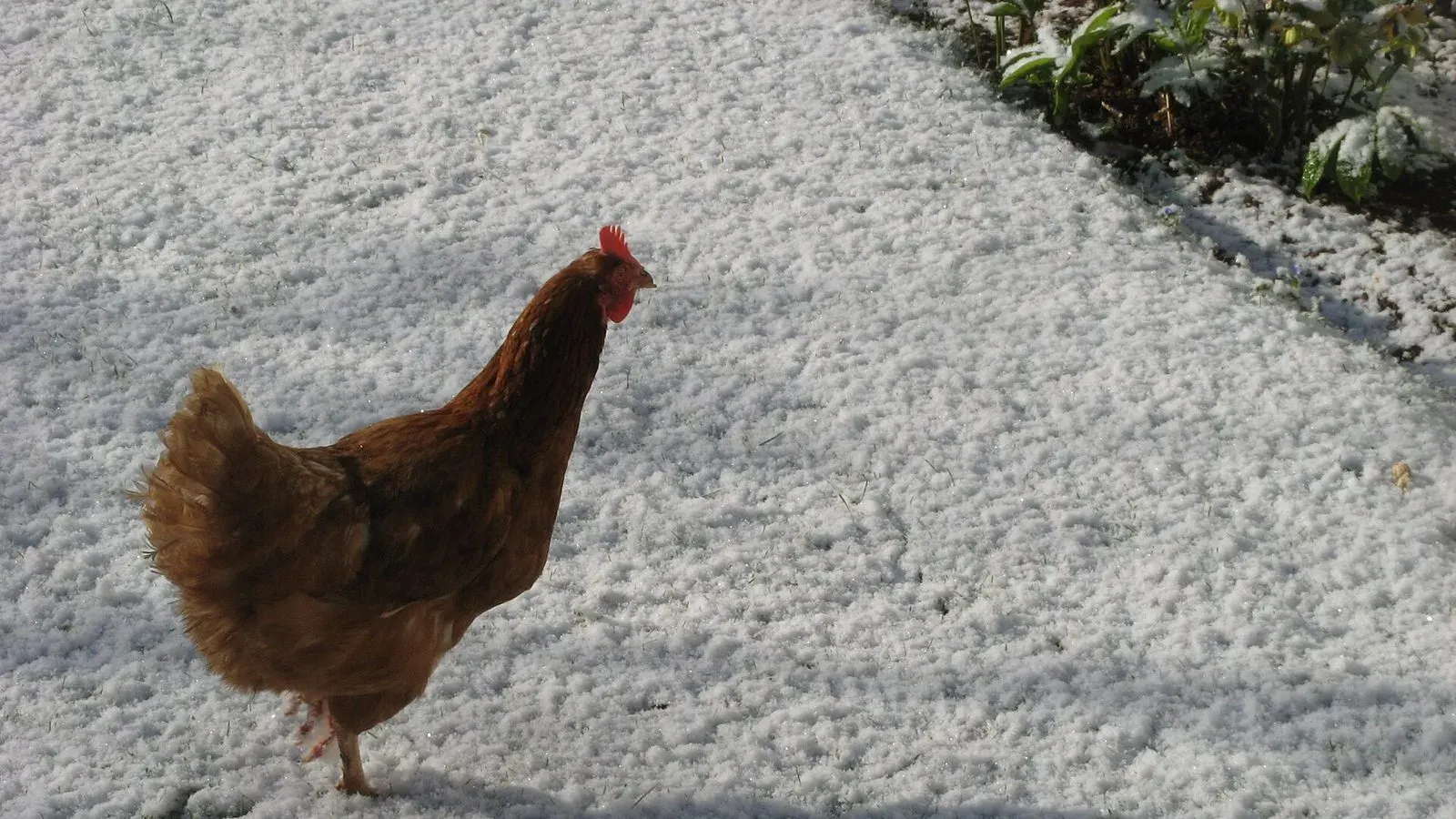
Cold does not do much harm to a healthy chicken in full feather. Frozen water does. A bird that cannot drink stops eating within hours, and a hen that stops eating in a cold snap loses condition faster than the temperature will ever cost her.
That makes a heated waterer the highest-value winter purchase in backyard chicken keeping, well ahead of a coop heater. We compared six on the specifications that matter across a five-month season: wattage and therefore running cost, whether a thermostat is fitted, the stated temperature rating, and capacity against winter intake.
We have included two heated bases and one bucket belt alongside three complete waterers, because for a lot of people the right purchase is a way to heat the waterer they already own rather than a replacement for it.
Our picks at a glance
Every product below wins one specific situation. Pick the row that matches your flock, your yard and your budget rather than reading top to bottom.
-
Best Overall

Farm Innovators HB-60P
Backyard flocks of four to eight birds in a climate where winter goes properly below freezing.
-
Best Premium

Premier 1 All-Season 3 Gal
Larger flocks, mixed flocks with ducks, or anyone in a genuinely severe winter climate who wants equipment that will not fail.
Check price on Amazon for Premier 1 All-Season Heated Poultry Waterer for Chickens & Ducks – 3 Gallon on AmazonAbout $95.00 checked Aug 8, 2026
-
Best Galvanised

API 3 Gal Heated Fount
Cold climates where the waterer gets carried, knocked and set down on frozen ground every day of winter.
-
Best Heated Base

Harris Farms Heated Base
Keepers who already own a waterer that suits their flock and want to add winter capability without replacing it.
Check price on Amazon for Harris Farms Heated Poultry Drinker Base for Chicken Waterers & Coops on AmazonAbout $44.99 checked Aug 8, 2026
-
Best for Metal Founts

Farm Innovators 125W Base
Severe winter climates where a lower-wattage base leaves the fount skinning over by morning.
-
Best Bucket Retrofit

RentACoop Heater Belt
Keepers running a bucket-based nipple or cup waterer who want to keep using it through winter rather than switching systems.
Compare every pick side by side
Swipe the table sideways to see every column on a phone.
| Product | Award | Price band | Capacity | Wattage | Thermostat | Heater Style | Best use case | Buy link |
|---|---|---|---|---|---|---|---|---|
| Farm Innovators HB-60P | Best Overall | $60 to $120 | 2 gallons | 60 W | Yes, comes on near freezing | Built into the base | Backyard flocks of four to eight birds in a climate where winter goes pro… | Check price for Farm Innovators HB-60P Thermostatically Controlled Heated 2 Gallon Plastic Outdoor Year Round Poultry Chicken Water Bucket Drinker, White/Red on Amazon |
| Premier 1 All-Season 3 Gal | Best Premium | $60 to $120 | 3 gallons | About 100 W | Yes | Integrated heated base | Larger flocks, mixed flocks with ducks, or anyone in a genuinely severe w… | Check price for Premier 1 All-Season Heated Poultry Waterer for Chickens & Ducks – 3 Gallon on Amazon |
| API 3 Gal Heated Fount | Best Galvanised | $60 to $120 | 3 gallons | About 100 W | Yes, with overheat protection | Integrated heated base | Cold climates where the waterer gets carried, knocked and set down on fro… | Check price for API 3 Gallon Heated Chicken or Bird Waterer with Overheating Protection, Galvanized Steel Handle, and Easy to Fill Funnel Design, White on Amazon |
| Harris Farms Heated Base | Best Heated Base | $30 to $60 | Depends on the fount you place on it | 125 W | Yes | Standalone base plate | Keepers who already own a waterer that suits their flock and want to add… | Check price for Harris Farms Heated Poultry Drinker Base for Chicken Waterers & Coops on Amazon |
| Farm Innovators 125W Base | Best for Metal Founts | $30 to $60 | Fits double-wall metal founts | 125 W | Yes | Standalone base plate | Severe winter climates where a lower-wattage base leaves the fount skinni… | Check price for Farm Innovators 125 Watt Heated Base for Double Wall Metal Poultry Founts with 35 Degrees Fahrenheit Temperature and Below, Metallic on Amazon |
| RentACoop Heater Belt | Best Bucket Retrofit | $30 to $60 | Wraps a 3.5 or 5 gallon bucket | About 80 W | Yes, thermostatic strap | Wrap-around belt | Keepers running a bucket-based nipple or cup waterer who want to keep usi… | Check price for RentACoop Heated Chicken Waterer Belt for Winter, Thermo Bucket Heater Strap LG with Insulated Wrap for 2-5 Gal, 40W Energy Efficient, Safe to -10°F, Auto Thermostat on Amazon |
The full reviews
Each review below follows the same order: what it is, why it won its category, how it behaves in real use, and who should buy something else.
1 Best Overall
Farm Innovators HB-60P Thermostatically Controlled Heated 2 Gallon Plastic Outdoor Year Round Poultry Chicken Water Bucket Drinker, White/Red
Sixty watts and a thermostat in a two gallon fount, which is the lowest running cost here and enough for a normal backyard flock in a real winter.
What we liked
- 60 W is the lowest draw here, so it costs very little to run all winter
- Thermostat only powers the element near freezing rather than continuously
- Rated to about -20 F, which covers most of the continental US
- One integrated unit with no separate base to buy or store
What we did not
- Two gallons is thin for more than six or seven birds
- Plastic body will not take rough handling in cold weather
- Cord exits at the base, so it must be routed carefully away from bedding
Key specifications
- Dimensions
- 12 x 12 x 11 in (L x W x H)
- Colour
- White
- Capacity
- 2 gallons
- Wattage
- 60 W
- Thermostat
- Yes, comes on near freezing
- Heater Style
- Built into the base
- Cord Length
- About 6 ft
- Lowest Rating
- Rated to about -20 F
Why the Farm Innovators HB-60P wins this category
Efficiency, and it is the specification nobody checks. Most heated waterers draw 100 to 125 watts. This one draws 60, and combined with a thermostat that only powers the element near freezing, its winter running cost is a fraction of the alternatives.
That matters because a heated waterer runs from November to March. The purchase price is a one-off; the electricity is not.
Living with the Farm Innovators HB-60P
Being one integrated unit is a genuine convenience. Base-plus-fount arrangements involve two purchases, two things to store, and a fount that has to actually fit the base.
The thermostat is the feature that makes lower wattage viable. Rather than trickling heat continuously, it puts the available power in only when it is needed, which is why 60 W is enough despite sounding low.
Where the Farm Innovators HB-60P falls short
Capacity. Two gallons is a day for six or seven birds and less than a day for more, and winter is exactly when you least want to be walking out with a jug. Flocks above eight birds should look at a three gallon unit instead.
The plastic body is the other consideration. Cold plastic is brittle plastic, and a fount dropped on frozen ground in January is more likely to crack than the same fount dropped in July. Galvanised alternatives handle rough winter handling better.
Cord routing needs thought too. The cable exits at the base, so it needs to run away from bedding and be clear of anywhere a bird can peck at it.
Research based, not hands-on
Assessed on the published wattage, thermostat and temperature rating, and compared against the higher-wattage units here on running cost.
- Best for
- Backyard flocks of four to eight birds in a climate where winter goes properly below freezing.
- Skip it if
- You have more than eight birds, because two gallons will not carry them through a cold day.
- The limitation to plan around
- Two gallons is a day of water for eight birds and less if the coop is cold enough that they eat more. Undersizing a winter waterer is worse than undersizing a summer one, because refilling means going out in weather you would rather not.
2 Best Premium
Premier 1 All-Season Heated Poultry Waterer for Chickens & Ducks – 3 Gallon
Three gallons, a thermostat and a build specification aimed at working farms rather than at a price point, from a supplier whose whole business is livestock equipment.
What we liked
- Three gallons carries ten to twelve birds through a cold day
- Built to a farm-equipment standard rather than to a retail price
- Rated for hard winters rather than for occasional frost
- Designed for ducks as well as chickens, so the drinking depth suits both
What we did not
- Roughly triple the price of the cheapest heated waterer here
- Around 100 W, so running cost is noticeably higher than the 60 W unit
- Bulky and heavy, and awkward to move once full
About $95.00 checked Aug 8, 2026
Key specifications
- Dimensions
- 13 x 13 x 14 in (L x W x H)
- Weight
- 6.3 pounds
- Colour
- Red, Blue
- Capacity
- 3 gallons
- Wattage
- About 100 W
- Thermostat
- Yes
- Heater Style
- Integrated heated base
- Cord Length
- About 6 ft
- Lowest Rating
- Rated for hard winters
Why the Premier 1 wins this category
Because there is a real difference between equipment designed to hit a retail price and equipment designed to be used every winter on a working smallholding, and this is the latter. Premier 1 sells to people whose livestock depends on the kit functioning, and that shows in the material specification rather than in the marketing.
Three gallons is also the practical capacity threshold. It carries ten to twelve birds through a full cold day without a mid-afternoon refill.
Living with the Premier 1
Being specified for ducks as well as chickens matters if you have a mixed flock. Ducks need enough depth to submerge their bills to clear their nostrils, and a shallow chicken drinker does not provide it.
The thermostat behaves as it should, keeping the water just above freezing rather than warming it, which is all that is needed and is the least power-hungry approach.
Where the Premier 1 falls short
Price, and it is a large gap rather than a small premium. For a flock of four or five birds in a climate that dips below freezing occasionally, the durability you are buying will never be tested, and the two gallon unit does the same job for a third of the money.
Running cost is the second and less obvious issue. At around 100 W it draws noticeably more than the 60 W unit here, and across a five month winter that difference is real money, partially offsetting the durability argument.
It is also bulky. Three gallons of water is 25 lb before you count the unit, so once it is filled it stays where it is.
Research based, not hands-on
Assessed on the published capacity, wattage, thermostat and stated cold rating, and compared against the retail-grade units here on build and running cost.
- Best for
- Larger flocks, mixed flocks with ducks, or anyone in a genuinely severe winter climate who wants equipment that will not fail.
- Skip it if
- You have four hens and a mild winter, because you will be paying for capacity and durability you never use.
- The limitation to plan around
- This is farm equipment priced accordingly. For a small backyard flock the extra money buys durability you may never test, and the higher wattage means it also costs more to run every month.
3 Best Galvanised
API 3 Gallon Heated Chicken or Bird Waterer with Overheating Protection, Galvanized Steel Handle, and Easy to Fill Funnel Design, White
A galvanised three gallon fount with the heater built in and overheat protection, and metal is what you want for a unit that gets handled in the cold every day.
What we liked
- Galvanised steel does not go brittle in cold the way plastic does
- Overheat protection is a safety feature few units in this class include
- Three gallons covers ten to twelve birds through a cold day
- Metal body conducts warmth to the water more evenly than plastic
What we did not
- Galvanised metal reacts with acidic additives, so no vinegar in the water
- Heavier than a plastic fount, empty and full
- Around 100 W, so higher running cost than the 60 W plastic unit here
Key specifications
- Dimensions
- 14 x 14 x 17 in (L x W x H)
- Weight
- 1 pounds
- Colour
- White
- Capacity
- 3 gallons
- Wattage
- About 100 W
- Thermostat
- Yes, with overheat protection
- Heater Style
- Integrated heated base
- Cord Length
- About 6 ft
- Lowest Rating
- Rated for hard winters
Why the API galvanised fount wins this category
Because winter is when waterers get abused. They are carried with cold hands, set down on frozen ground, knocked with a boot and occasionally dropped. Plastic gets brittle as it gets colder, so the season that demands the most from a waterer is the season plastic is weakest in.
Galvanised steel does not care. It dents rather than cracking.
Living with the API galvanised fount
Overheat protection is worth calling out because most units in this class do not have it. A heating element in a container that could run dry is exactly the situation you want a cut-out for, and forgetting to top up a waterer is a normal human error.
The metal body also transfers heat to the water more evenly than plastic does, which means fewer cold spots and less skinning at the rim.
Where the API galvanised fount falls short
The vinegar problem is specific and important, because a lot of keepers routinely add apple cider vinegar to drinking water. Acid attacks the zinc coating on galvanised steel, leaching zinc into the water and destroying the corrosion resistance. In a galvanised waterer, additives have to stop. If that is part of your routine, buy plastic.
Weight is the other trade. Metal is heavier empty and heavier full, which makes the daily carry more of a job.
And at around 100 W it draws noticeably more than the most efficient unit here, which across a five month winter adds up.
Research based, not hands-on
Assessed on the published material, capacity, wattage and safety features, and compared against plastic founts on winter durability.
- Best for
- Cold climates where the waterer gets carried, knocked and set down on frozen ground every day of winter.
- Skip it if
- You add apple cider vinegar to your flock's water, because it reacts with galvanised zinc.
- The limitation to plan around
- You cannot use apple cider vinegar or any acidic supplement in a galvanised waterer. Acid leaches zinc from the coating, which is both a health concern and destroys the corrosion protection you paid for.
4 Best Heated Base
Harris Farms Heated Poultry Drinker Base for Chicken Waterers & Coops
A thermostatic plate you stand your existing waterer on, which means you keep the waterer your birds already use and only add heat for the winter.
What we liked
- Works with the waterer you already own rather than replacing it
- Stores flat in a corner over summer instead of taking up shelf space
- Thermostat means it only draws power near freezing
- One base can serve different waterers as your flock changes
What we did not
- Only heats from below, so a tall fount can still ice at the top
- Plastic waterers can soften or deform on a heated base over a season
- Needs a flat, stable, level surface or the whole assembly can tip
About $44.99 checked Aug 8, 2026
Key specifications
- Dimensions
- 16.34 x 16.34 x 3.5 in (L x W x H)
- Weight
- 3 pounds
- Capacity
- Depends on the fount you place on it
- Wattage
- 125 W
- Thermostat
- Yes
- Heater Style
- Standalone base plate
- Cord Length
- About 6 ft
- Lowest Rating
- Rated to about -10 F
Why the Harris Farms base wins this category
Because most people already own a waterer that works. It is the right size, the birds use it, and the only thing wrong with it is that it freezes for four months. Buying a whole second waterer to solve a seasonal problem is a lot of money and a lot of shelf space.
A base solves exactly the problem you have and nothing else, and it stores flat when the season ends.
Living with the Harris Farms base
Flexibility over time is the underrated benefit. Waterers get replaced as flocks grow and as things crack, and a base carries over to whatever comes next as long as the footprint fits.
The thermostat behaves the same way as an integrated unit, so running cost through a mild spell is low.
Where the Harris Farms base falls short
Thermal reach. A heated plate warms the bottom of the water column, and convection carries some of that upward, but in a tall narrow fount the top can still skin over on a hard night. Wide, shallow waterers work far better on a base than tall ones do.
Material compatibility is the trap. Plastic founts, especially thin ones, sit directly on a warm plate all winter, and over a season that can soften or deform the base of the fount enough to cause a slow leak. Galvanised metal founts are the intended companion, and a metal fount plus this base is a genuinely durable combination.
Stability is worth checking too. A tall waterer on a base on uneven ground is a tipping risk, and a tipped waterer in freezing weather is a wet coop and no water.
Research based, not hands-on
Assessed on the published wattage, thermostat and plate design, and compared against integrated heated founts on flexibility and thermal reach.
- Best for
- Keepers who already own a waterer that suits their flock and want to add winter capability without replacing it.
- Skip it if
- Your waterer is thin plastic, because sustained heat under it can deform the base and cause leaks.
- The limitation to plan around
- Heat rises but not far in a tall column of water. A base keeps the bottom liquid and a tall fount can still ice at the rim, so it suits shallow, wide waterers far better than narrow, tall ones.
5 Best for Metal Founts
Farm Innovators 125 Watt Heated Base for Double Wall Metal Poultry Founts with 35 Degrees Fahrenheit Temperature and Below, Metallic
A 125 watt base designed specifically for double-wall metal founts, which is the pairing that keeps water liquid in genuinely severe cold.
What we liked
- 125 W is enough to keep a metal fount liquid well below zero
- Sized and shaped specifically for double-wall metal founts
- Metal fount plus metal base transfers heat far better than a plastic pairing
- Thermostatic, so it does not run through mild spells
What we did not
- 125 W is the highest draw here, so running cost is the highest too
- Only makes sense if you own or buy a double-wall metal fount
- No use with plastic waterers, which it can soften
Key specifications
- Dimensions
- 17 x 16.5 x 4.25 in (L x W x H)
- Weight
- 3.5494424182 pounds
- Colour
- Metallic
- Capacity
- Fits double-wall metal founts
- Wattage
- 125 W
- Thermostat
- Yes
- Heater Style
- Standalone base plate
- Cord Length
- About 6 ft
- Lowest Rating
- Rated to about -10 F
Why the Farm Innovators 125 W base wins this category
Because in a severe winter the lower-wattage bases simply do not keep up. At minus fifteen with wind, 60 or 80 watts under a fount loses the argument, and you go out in the morning to a solid block.
One hundred and twenty-five watts, paired with a metal fount that conducts that heat efficiently into the water, does keep up. It is the standard combination on working farms in cold states for exactly that reason.
Living with the Farm Innovators 125 W base
The pairing is the point. A double-wall metal fount sits directly on the plate and the whole base of the fount becomes the heat exchanger, so the warmth reaches the water rather than sitting in an insulating layer of plastic.
The thermostat keeps this from being wasteful. Through November, when nights dip below freezing but days do not, it is off for most of the day.
Where the Farm Innovators 125 W base falls short
Running cost is the highest here, and there is no way around that. If your winter does not actually demand 125 watts, you are paying for capacity you are not using every hour it runs.
The compatibility restriction is the harder constraint. This base is designed around double-wall metal founts, and if you do not own one you are buying two things rather than one. Used under a plastic waterer it performs poorly, because the plastic insulates rather than conducting, and sustained heat can deform the fount base.
It is also a base and nothing else, so there is no thermostat control you can adjust and no water capacity in the purchase.
Research based, not hands-on
Assessed on the published wattage, thermostat and intended pairing, and compared against lower-wattage bases on performance in severe cold.
- Best for
- Severe winter climates where a lower-wattage base leaves the fount skinning over by morning.
- Skip it if
- You use a plastic waterer, or your winters are mild enough that 60 W would do.
- The limitation to plan around
- This only works properly with a double-wall metal fount. Paired with plastic it is both less effective, because plastic conducts heat poorly, and potentially damaging, because sustained heat under a thin plastic base deforms it.
6 Best Bucket Retrofit
RentACoop Heated Chicken Waterer Belt for Winter, Thermo Bucket Heater Strap LG with Insulated Wrap for 2-5 Gal, 40W Energy Efficient, Safe to -10°F, Auto Thermostat
A thermostatic heater belt that wraps a bucket, which is the only way to keep a nipple or cup waterer working through a freeze without abandoning the design entirely.
What we liked
- Keeps sealed nipple and cup systems working in winter, which nothing else here does
- Wraps around the bucket rather than heating from below, so it warms the full water column
- Thermostatic, so it only powers up near freezing
- Fits standard 3.5 and 5 gallon buckets you already own
What we did not
- Heats the bucket, not the nipples, which are the first part to freeze
- Wrapping a belt around a bucket leaves the cord exposed to pecking
- Only useful if you are running a bucket-based system in the first place
Key specifications
- Size
- Large
- Colour
- Black
- Capacity
- Wraps a 3.5 or 5 gallon bucket
- Wattage
- About 80 W
- Thermostat
- Yes, thermostatic strap
- Heater Style
- Wrap-around belt
- Cord Length
- About 6 ft
- Lowest Rating
- Rated for hard winters
Why the RentACoop belt wins this category
Because everybody who runs a sealed nipple waterer hits the same wall in November. The system is excellent for water quality and it freezes early, and the usual advice is to give up and switch to an open heated fount for four months, which means owning two systems and losing the hygiene benefit exactly when birds are shut in together.
A heater belt keeps the bucket liquid so the sealed system can carry on.
Living with the RentACoop belt
Wrapping around the side is a better arrangement than heating from below for a tall bucket, because the heat is applied along the water column rather than only at the bottom, so you get less stratification and less skinning at the top.
The thermostat means it sits idle through mild weather, and it fits the standard bucket sizes that nipple kits are usually built into.
Where the RentACoop belt falls short
It warms the bucket, and the nipples are outside the bucket. That distinction matters: the water stays liquid, and the small volume of water sitting in each exposed metal nipple can still freeze on a hard night. The belt extends the usable range considerably and does not make a nipple system freeze-proof.
Cord management is the practical issue. A belt wrapped around a bucket in a run leaves cable where birds can reach it, and chickens peck at anything novel. It needs routing and securing properly rather than being left dangling.
And it is only relevant to bucket systems. If you use a moulded fount, there is nothing here for you.
Research based, not hands-on
Assessed on the published wrap design, thermostat and bucket compatibility, and compared against heated bases on which part of the system is warmed.
- Best for
- Keepers running a bucket-based nipple or cup waterer who want to keep using it through winter rather than switching systems.
- Skip it if
- You use a moulded fount, because there is nothing for the belt to wrap around.
- The limitation to plan around
- The belt warms the bucket and the nipples sit outside it. In hard frost the water stays liquid and the nipple pin itself can still ice, so this extends the working range rather than guaranteeing it.
How we compared these heated waterers
Running cost was treated as a primary specification rather than an afterthought, because these units run for months. We modelled cost across the wattage range at typical residential electricity prices and weighted thermostat presence heavily, since a thermostat reduces actual consumption far more than a lower wattage rating does.
We then compared published low-temperature ratings, capacity against winter intake, body material and its behaviour in cold, and whether each unit works with equipment a keeper already owns.
What actually matters in a heated waterer
The thermostat, not the wattage
A 60 watt thermostatted unit uses less electricity across a winter than a 100 watt unit that runs continuously, because for a large part of the season it is switched off.
Every unit in this comparison has a thermostat. If you are looking at something that does not, it will cost you considerably more to run than its wattage suggests.
Wattage matched to your actual climate
Sixty watts is adequate in most of the continental US. One hundred to 125 watts earns its place where winter means sustained sub-zero days rather than overnight frosts.
Buying more wattage than your climate needs costs money every hour it runs. Buying less means going out to a frozen block on the coldest mornings, which is when it matters most.
Integrated unit or heated base
A base is the efficient purchase if you already own a waterer you like. It stores flat, carries over to future waterers, and only costs you for the heating.
An integrated unit heats more effectively, because the element is designed into the water path rather than warming the bottom of a container from outside.
The compatibility rule for bases: metal founts, not plastic. Plastic insulates rather than conducting, so the heat does not reach the water well, and sustained warmth under a thin plastic base can deform it into leaking.
Body material for winter handling
Plastic gets brittle as it gets colder, which means the season that involves the most rough handling is the season plastic is weakest in. Galvanised steel dents instead of cracking.
The trade is that galvanised waterers cannot be used with acidic additives, because acid leaches zinc from the coating.
Capacity against winter intake
A pint per standard hen per day is the baseline, and birds often drink more in cold weather because they are eating more. Two gallons carries six or seven birds; three gallons carries ten to twelve.
Undersizing matters more in winter than in summer, because a refill means going out in weather you would rather avoid, and skipping it has consequences.
Electrical safety in a coop, briefly
This is a mains appliance in a wooden building full of dry bedding, so a few habits are worth having.
Use an outdoor-rated extension lead on an RCD or GFCI-protected circuit. Keep every plug and connection off the ground, above any possible standing water, and preferably inside a weatherproof enclosure. Route cords where birds cannot reach them, because chickens peck at anything new. And never let a heated unit run dry, which is the argument for units with overheat protection.
What to do with no power at the coop
Two flexible rubber tubs, swapped morning and evening. Rubber flexes, so a block of ice pops out with a twist, where the same ice in rigid plastic has to be chipped or thawed.
Depth also helps. A deeper, narrower vessel freezes more slowly than a wide shallow one for the same volume, because it has less surface area exposed to the air.
Final recommendation
The Farm Innovators HB-60P is the best buy for most backyard flocks. Sixty watts with a thermostat is the lowest running cost here, and it is rated for the kind of winter most of the country actually gets.
For ten or more birds, or genuinely severe cold, the Premier 1 All-Season 3 Gal is built to a higher standard and holds enough water for a full cold day. If you already own a metal fount, the Harris Farms Heated Base is the cheaper and tidier answer. And if you run a bucket-based nipple system, the RentACoop Heater Belt is the only thing here that lets you keep using it through a freeze.
Questions people ask before buying
Do chickens need heated water in winter?
They need liquid water, and below freezing that usually means heating it. A hen drinks around a pint a day and water intake drives feed intake, so a bird that cannot drink stops eating and drops off lay within days. If you have power at the coop, a thermostatic heated waterer or base is the reliable answer. If you do not, the workable routine is two flexible rubber tubs swapped morning and evening.
How many watts does a heated chicken waterer need?
Sixty watts with a thermostat is enough for a typical backyard fount in most of the continental US. One hundred to 125 watts is worth it in genuinely severe cold, where lower wattage leaves the fount skinning over by morning. The thermostat matters more than the wattage: it means the element only draws power near freezing, so a well-thermostatted 60 W unit costs far less to run over a season than an unthermostatted 100 W one.
Is a heated base or a heated waterer better?
A base is better if you already own a waterer that suits your flock, because it solves only the seasonal problem and stores flat in summer. An integrated heated waterer is better if you are buying anyway, because heat is applied where it is needed rather than only from below. The important caveat with bases is that they work far better under metal founts than plastic ones, since plastic insulates and can deform under sustained heat.
Can I use a heated waterer with a nipple system?
Only with a heater belt around the bucket, and even then the nipples themselves can ice. Nipples hold a tiny volume of water in a narrow metal passage with a large exposed surface, so they freeze well before the bulk water does. Many keepers run nipples for three seasons and switch to an open heated fount for winter, which is a sensible answer rather than a defeat.
Are heated chicken waterers a fire risk?
Lower than heat lamps but not zero, and the risks are specific. Use an outdoor-rated extension lead on an RCD or GFCI-protected circuit, keep every connection off the ground and out of standing water, route the cord where birds cannot peck it, and never let a heated unit run dry. Units with overheat protection are worth the small premium precisely because forgetting to top up a waterer is a normal mistake.
Can I put apple cider vinegar in a heated waterer?
Not in a galvanised one. Acid leaches zinc from the galvanised coating, which puts zinc into your birds' water and destroys the corrosion protection you paid for. Plastic waterers are fine with vinegar. If adding vinegar is part of your routine, buy plastic, and if you prefer galvanised for its winter durability, stop adding it.
Why you can trust this guide
- Written by
- Sam Reddick, Lead gear reviewer, Chicken Geek. Specialist areas: Coop design and predator proofing, Feeding and watering systems, Cold-weather flock management, Incubation and brooding.
- Fact checked by
- Marta Voss
- Published
- August 6, 2026 · Last updated August 6, 2026 · Products and links rechecked August 6, 2026
- How we picked
- Units were compared on wattage and modelled running cost over a five-month winter, whether a thermostat is fitted, published low-temperature rating, capacity against winter water intake, body material and its cold-weather durability, and compatibility with waterers keepers already own.
- Evidence used
- None of the 6 products on this page were sent to us or bought for a hands-on test. Every recommendation here is research based: manufacturer specifications, listed dimensions and materials, owner feedback at volume, and comparison against equipment our team has owned. Each review states this again above the buy button so you are never guessing which kind of evidence sits behind a pick.
- Editorial standards
- No brand pays for placement, and no manufacturer sees this page before it goes live. Read our editorial policy and testing method.
- Affiliate disclosure
- Chicken Geek is reader supported. We earn a commission from qualifying purchases made through links on this page, at no extra cost to you, and no brand has paid for a placement or an award here.
About the author

Lead gear reviewer, Chicken Geek
Sam has kept a backyard laying flock for eleven years, through two coop rebuilds, one very determined raccoon and several winters cold enough to freeze a waterer solid overnight. He writes the buying guides at Chicken Geek and is responsible for how products get compared.
- Eleven years keeping a mixed laying flock of 8 to 14 birds
- Has built, bought and replaced six different coops
- Runs the product comparison framework used across Chicken Geek
- Reads manufacturer manuals, spec sheets and warranty terms before every recommendation