We Compared 6 Egg Washers on Bloom Damage and Batch Size
We compared six egg washers on bristle stiffness, batch size and damage to the bloom, the protective layer that lets an unwashed egg keep for weeks.

By Marta Voss Editor and fact checker, Chicken Geek
Fact checked by Sam Reddick
Published Prices and stock checked 7 min read
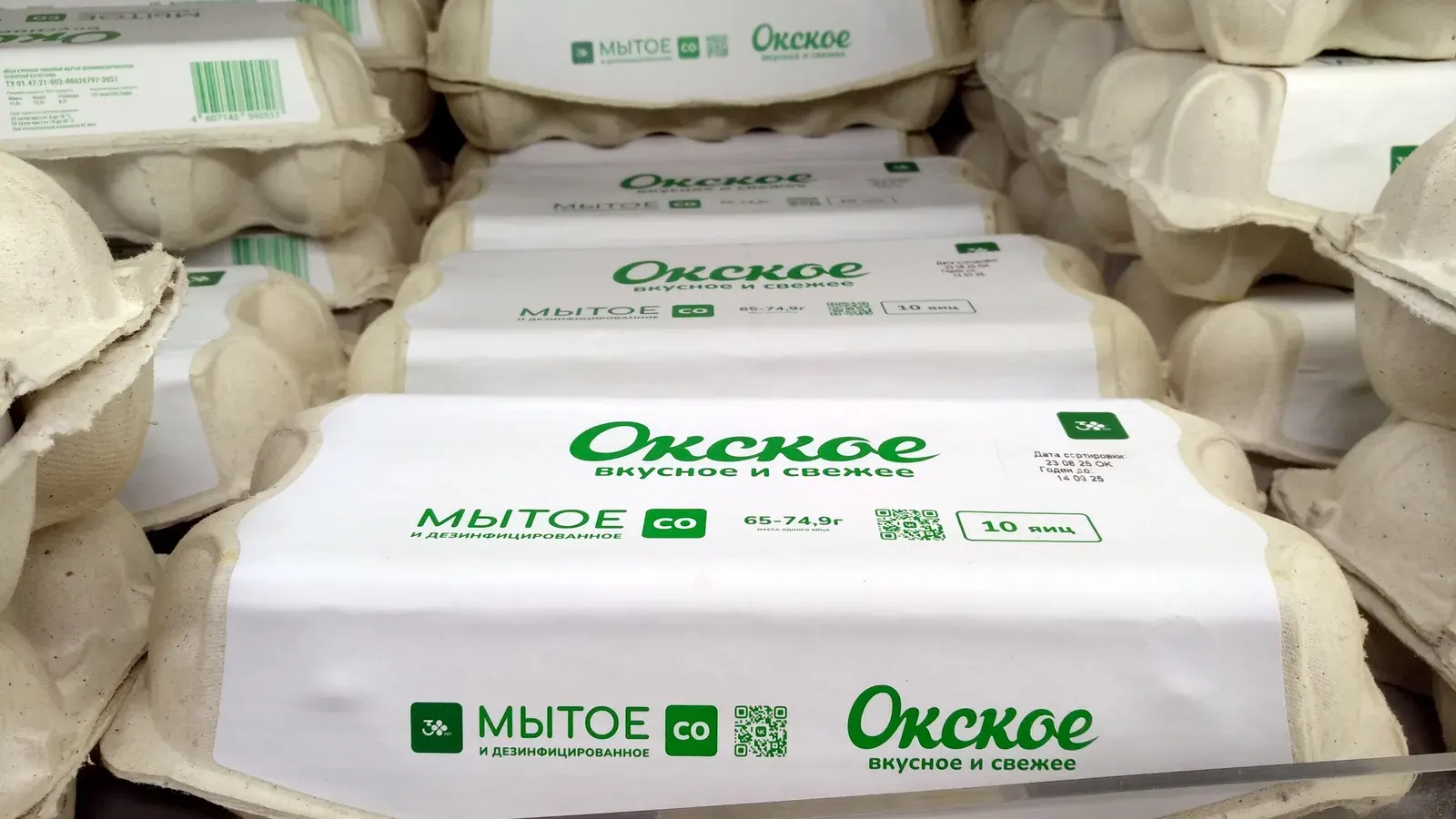
The most useful thing in this guide is that you probably should not wash your eggs at all. A hen coats every egg with a thin protein layer in the seconds before she lays it, called the bloom or cuticle, and that layer seals the pores in the shell. It is the reason an unwashed egg sits happily on a kitchen counter for weeks and a washed one has to go in the fridge.
So the honest job of a guide like this is to tell you when washing is worth the trade, and then to pick the tool that does the least damage when it is. A lightly marked egg is better cleaned dry, with a brush or a piece of fine sandpaper. An egg smeared with droppings or with the contents of a broken egg is worth washing properly, refrigerating afterwards and using sooner.
There is one rule that matters more than which brush you buy. The water must be warmer than the egg. Cold water makes the contents contract and pulls whatever is on the wet shell in through the pores, which is the opposite of what you were trying to achieve. The six picks below are judged on bristle stiffness, whether they work dry as well as wet, and how many eggs they handle at once.
Our picks at a glance
Every product below wins one specific situation. Pick the row that matches your flock, your yard and your budget rather than reading top to bottom.
-
Best Overall

GoodEgg Brush Standard
Backyard keepers who want lightly marked eggs clean without stripping the protective bloom off the shell.
-
Best for Duck and Jumbo Eggs

GoodEgg Brush Large
Keepers with ducks, geese or heavy breeds laying jumbo eggs that a standard sized egg brush cannot hold.
-
Best for Stubborn Marks

Rite Farm Scrubber
Keepers who regularly collect eggs with dried droppings on them and need something that actually shifts them.
Check price on Amazon for RITE FARM PRODUCTS Egg SCRUBBING Scrubber Brush Washing WASH Chicken Poultry on AmazonAbout $9.99 checked Aug 8, 2026
-
Best Dual Purpose

EZ-Clean Chick Brush
Anyone running an incubator who needs to clean trays and equipment between hatches as well as handle eggs.
Check price on Amazon for EZ-Clean Chick Brush for Cleaning Incubator and Eggs on AmazonAbout $15.99 checked Aug 8, 2026
-
Best Budget
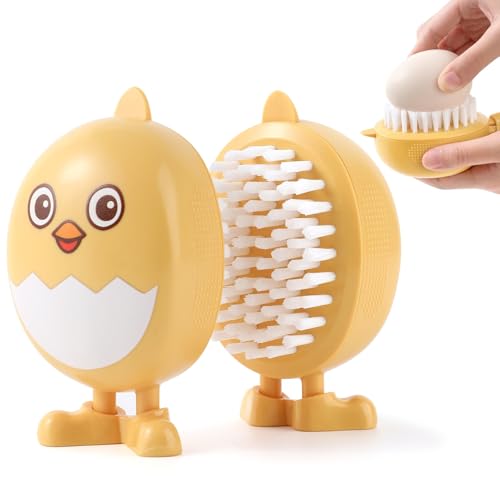
Lumkew Wash Brush
Anyone who wants to try dry brushing eggs instead of washing them without committing much money to the idea.
Check price on Amazon for Lumkew Egg Washer Cleaner for Fresh Eggs, Egg Wash and Brush Scrubber, 1pcs on AmazonAbout $7.99 checked Aug 8, 2026
-
Best for High Volume

ZIJINGM Electric Washer
Small commercial producers selling eggs in volume where washing is a condition of sale or a buyer requirement.
Compare every pick side by side
Swipe the table sideways to see every column on a phone.
| Product | Award | Price band | Wash Type | Eggs Per Batch | Material | Power Needed | Best use case | Buy link |
|---|---|---|---|---|---|---|---|---|
| GoodEgg Brush Standard | Best Overall | Under $30 | Hand brush | One at a time | Silicone | None | Backyard keepers who want lightly marked eggs clean without stripping the… | Check price for GoodEgg The Original Egg Brush, Silicone Egg Cleaning Brush for Farm Fresh Eggs, Chicken Coop Cleaning Tools, Egg Washer, Chicken Coop Accessories, Standard Sized Eggs, Pink, As Seen On Shark Tank on Amazon |
| GoodEgg Brush Large | Best for Duck and Jumbo Eggs | Under $30 | Hand brush | One at a time | Silicone | None | Keepers with ducks, geese or heavy breeds laying jumbo eggs that a standa… | Check price for GoodEgg The Original Egg Brush, Silicone Egg Cleaning Brush for Farm Fresh Eggs, Chicken Coop Cleaning Tools, Egg Washer, Chicken Coop Accessories, Large to XL Sized Eggs, Green, As Seen On Shark Tank on Amazon |
| Rite Farm Scrubber | Best for Stubborn Marks | Under $30 | Hand scrubber | One at a time | Nylon bristle | None | Keepers who regularly collect eggs with dried droppings on them and need… | Check price for RITE FARM PRODUCTS Egg SCRUBBING Scrubber Brush Washing WASH Chicken Poultry on Amazon |
| EZ-Clean Chick Brush | Best Dual Purpose | Under $30 | Hand brush | One at a time | Bristle brush head | None | Anyone running an incubator who needs to clean trays and equipment betwee… | Check price for EZ-Clean Chick Brush for Cleaning Incubator and Eggs on Amazon |
| Lumkew Wash Brush | Best Budget | Under $30 | Hand brush | One at a time | Silicone | None | Anyone who wants to try dry brushing eggs instead of washing them without… | Check price for Lumkew Egg Washer Cleaner for Fresh Eggs, Egg Wash and Brush Scrubber, 1pcs on Amazon |
| ZIJINGM Electric Washer | Best for High Volume | $500 to $1,000 | Electric machine | Continuous, hundreds per hour | Steel frame with brush rollers | Mains supply | Small commercial producers selling eggs in volume where washing is a cond… | Check price for Electric Egg Washing Machine, Egg Washer Machine, Automatic Egg Washer Machine, 2300 Pcs/H Chicken Duck Goose Egg Egg Cleaner Wash Machine (Color : 110V) on Amazon |
The full reviews
Each review below follows the same order: what it is, why it won its category, how it behaves in real use, and who should buy something else.
1 Best Overall
GoodEgg The Original Egg Brush, Silicone Egg Cleaning Brush for Farm Fresh Eggs, Chicken Coop Cleaning Tools, Egg Washer, Chicken Coop Accessories, Standard Sized Eggs, Pink, As Seen On Shark Tank
A soft silicone brush sized for standard hen eggs, and softness is the point, because the job is lifting a mark off without scouring away the bloom that keeps the egg fresh.
What we liked
- Soft silicone bristles lift dirt without scouring the cuticle off the shell
- Works dry, which is the only cleaning method that leaves the bloom intact
- Cupped shape wraps a standard hen egg so one pass covers most of the shell
- No power, no plumbing and nothing to fail, so it lives by the collecting basket
What we did not
- Silicone slides over droppings that have dried hard, where a stiff nylon brush would shift them
- Sized for standard hen eggs, so a duck or jumbo egg does not seat in the cup properly
- Cleans one egg at a time, so a heavy collection day is several minutes at the sink
- Egg residue collects at the bristle roots, so the brush itself needs washing after each session
Key specifications
- Dimensions
- 2.38 x 2.38 x 1.5 in (L x W x H)
- Colour
- Soft Pink
- Wash Type
- Hand brush
- Eggs Per Batch
- One at a time
- Material
- Silicone
- Power Needed
- None
- Shell Safe
- Yes, soft silicone bristles
Why the GoodEgg Brush Standard wins this category
Because it is built around the right idea. Most people reach for a sink and a sponge, and a sink and a sponge take the bloom off every egg they touch, including the ones that only had a speck of bedding on them.
A soft silicone brush used dry lifts that speck and leaves the seal in place. The egg goes in the carton and keeps the shelf life it was laid with, which for an unwashed egg is weeks rather than days.
Living with the GoodEgg Brush Standard
The cupped head is the practical feature. It wraps a standard hen egg so a single rotation covers most of the shell, rather than making you chase a mark around a curve with a flat brush.
Silicone also rinses clean under a tap, which matters more than it sounds. A bristle brush that has been through a dirty egg is a way of moving bacteria onto the next egg, so a head that does not hold residue is worth having.
Being unpowered means it lives on a hook by the door and gets used at collection time, which is when dirt comes off easiest.
Where the GoodEgg Brush Standard falls short
Softness cuts both ways. Droppings that have dried onto a shell overnight are effectively cemented, and silicone bristles flex over them rather than through them. For those eggs you need a firmer brush and you will lose the bloom on that egg, so wash it properly and refrigerate it.
Size is the other constraint. This version is dimensioned for standard eggs, and a duck or goose egg does not sit into the cup, so the large version is the one to order for a mixed flock.
At around 20 dollars it also costs several times a plain budget brush that does the same dry cleaning job less comfortably.
Research based, not hands-on
Assessed on the published bristle material, cup dimensions and stated egg size, and compared against nylon scrubbers on cuticle damage and cleaning speed.
- Best for
- Backyard keepers who want lightly marked eggs clean without stripping the protective bloom off the shell.
- Skip it if
- You keep ducks or large breeds laying jumbo eggs, because the cup is dimensioned for standard hen eggs.
- The limitation to plan around
- It is a gentle tool by design, so it will not remove droppings that have baked on. Keep a stiffer scrubber alongside it for the two or three eggs a week that need one, and accept that those eggs lose their bloom.
2 Best for Duck and Jumbo Eggs
GoodEgg The Original Egg Brush, Silicone Egg Cleaning Brush for Farm Fresh Eggs, Chicken Coop Cleaning Tools, Egg Washer, Chicken Coop Accessories, Large to XL Sized Eggs, Green, As Seen On Shark Tank
The same soft silicone brush shaped for large and extra large eggs, which matters because a duck egg rolling loose in a standard cup gets cleaned in patches.
What we liked
- Shaped for large and extra large eggs that do not seat in a standard brush
- Soft silicone bristles clean without scouring the cuticle off the shell
- Works dry as well as wet, so lightly marked eggs keep their bloom
- At 0.1 pounds it is light enough to use one handed over a collecting basket
What we did not
- Listed dimensions are smaller than the standard version, so check the size guide before ordering
- Silicone flexes over droppings that have dried hard, so it will not shift baked on marks
- Duck eggs are usually the dirtiest eggs in a mixed flock and this brush is the gentle option
- Cleans one egg at a time, which is slow if you run a large mixed flock
Key specifications
- Dimensions
- 1.5 x 1.5 x 2.4 in (L x W x H)
- Weight
- 0.1 pounds
- Colour
- Sage Green
- Wash Type
- Hand brush
- Eggs Per Batch
- One at a time
- Material
- Silicone
- Power Needed
- None
- Shell Safe
- Yes, soft silicone bristles
Why the GoodEgg Brush Large wins this category
Because fit decides how well a brush cleans. A cupped brush works by wrapping the shell so one rotation covers most of the surface, and a duck egg in a standard cup does none of that. It rolls, it gets cleaned in patches, and you end up pressing harder to compensate, which is exactly what damages the bloom.
Sized correctly, the same soft silicone does the job in one pass with light pressure.
Living with the GoodEgg Brush Large
Duck and goose eggs are usually the dirtiest eggs anyone collects, because ducks lay early, often on the ground, and often with wet feet. That makes a brush more useful for duck keepers than for hen keepers, and it makes the dry cleaning approach harder to stick to.
The practical rhythm is to brush dry first and see what comes off. Whatever is left after that is a wet wash and a fridge, and it is worth being deliberate about which eggs cross that line.
At a tenth of a pound it is easy to hold over a basket, so cleaning happens at collection rather than later.
Where the GoodEgg Brush Large falls short
The listing dimensions are the first thing to check. The figures published for this large version are smaller than those published for the standard version, which is the wrong way round, so read the size guidance on the listing rather than the dimensions before you order.
The gentleness limit still applies. Silicone will not shift droppings that have dried hard, and on duck eggs that is a larger share of the collection than most people expect.
You also cannot cover a mixed flock with one brush. Standard hen eggs sit loosely in this cup, so a mixed flock realistically means owning both sizes.
Research based, not hands-on
Assessed on the published bristle material, stated large to extra large egg sizing and listed dimensions, and compared against the standard sized version on fit.
- Best for
- Keepers with ducks, geese or heavy breeds laying jumbo eggs that a standard sized egg brush cannot hold.
- Skip it if
- Your flock lays standard hen eggs only, because the standard version fits those shells more closely.
- The limitation to plan around
- A larger cup is a looser fit on a normal hen egg, so this is not a one brush answer for a mixed flock. If you run ducks and hens together, plan on owning both sizes rather than compromising with one.
3 Best for Stubborn Marks
RITE FARM PRODUCTS Egg SCRUBBING Scrubber Brush Washing WASH Chicken Poultry
A 4.5 inch nylon bristle scrubber for the eggs a silicone brush gives up on, bought in the knowledge that anything it cleans has lost its bloom.
What we liked
- Nylon bristles shift dried droppings that soft silicone brushes slide over
- At 9.99 it is cheap enough to keep as the second brush beside a gentler one
- 4.5 inch body gives a proper handhold, so you can control pressure with your fingers
- Nylon rinses and dries fast, so it does not stay damp between uses
What we did not
- Firm bristles remove the cuticle, so anything cleaned with it must be refrigerated
- Pressing hard on a thin or older shell risks cracking it during the scrub
- Works one egg at a time and needs water, so it does not replace dry cleaning at the basket
- Nylon holds residue between bristles, so it needs rinsing and drying after every session
About $9.99 checked Aug 8, 2026
Key specifications
- Size
- 4.5 inches
- Weight
- 0.25 pounds
- Colour
- Black
- Wash Type
- Hand scrubber
- Eggs Per Batch
- One at a time
- Material
- Nylon bristle
- Power Needed
- None
- Shell Safe
- Use gently, firmer bristles
Why the Rite Farm Scrubber wins this category
Because some eggs are genuinely stuck. A dropping that has dried onto a warm shell overnight sets hard, and soft silicone bristles flex around it rather than cutting through. You can rub at it for a minute and achieve nothing.
Nylon bristles have the stiffness to break that bond. This is the tool for the two or three eggs in a collection that the gentle brush refused, and the price makes it easy to own alongside a softer brush rather than instead of one.
Living with the Rite Farm Scrubber
Use it with warm water, warmer than the egg, and with much less pressure than the word scrubber suggests. The manufacturer's own guidance is to use it gently, and that is not marketing caution. Stiff bristles plus force is how shells get cracked and how the shell surface gets abraded rather than just cleaned.
The 4.5 inch body gives enough to hold that you can control the pressure with your fingertips instead of your whole hand, which is the practical way to keep it light.
Rinse it out after each session. A brush that has been through droppings is a way of carrying bacteria onto the next egg.
Where the Rite Farm Scrubber falls short
It removes the bloom, and there is no version of using it that does not. Any egg cleaned this way needs to go straight into the fridge and be used before the unwashed ones in the same basket.
It is also a wet tool. Nylon dry-brushing is harsh on a shell surface, so in practice this belongs at the sink, which means it does not fit the collect-and-brush routine that keeps eggs at their best.
Thin shelled eggs from older hens are the real risk. Those crack under a scrub that a fresh pullet egg shrugs off.
Research based, not hands-on
Assessed on the published bristle material, size and the manufacturer's own advice to use it gently, and compared against silicone brushes on cuticle removal.
- Best for
- Keepers who regularly collect eggs with dried droppings on them and need something that actually shifts them.
- Skip it if
- You want to preserve the bloom on most of your eggs, because firm nylon strips the cuticle wherever it scrubs.
- The limitation to plan around
- This is a deliberate trade, not a free upgrade. Every egg it cleans loses its natural seal, which means fridge storage and a shorter usable life, so it should be the brush you reach for least often.
4 Best Dual Purpose
EZ-Clean Chick Brush for Cleaning Incubator and Eggs
A bristle brush intended for incubator trays as well as eggs, which is a useful combination because incubator hygiene and egg handling are the same job on two surfaces.
What we liked
- Cleans incubator trays and grilles as well as eggs, so one brush covers both jobs
- Bristle head reaches into the corrugations of a turning tray where a cloth cannot
- 3 by 3 by 4 inch head is small enough to work inside a benchtop incubator cabinet
- Needs no power or plumbing, so it can be used beside the incubator between hatches
What we did not
- Bristles are firmer than silicone, so eggs cleaned with it lose some of their cuticle
- Using the same brush on trays and on eggs risks moving hatch debris onto clean shells
- Cleans one egg at a time, so it is not a solution for a large daily collection
- Bristle heads hold moisture, so it needs drying properly or it will stay damp in storage
About $15.99 checked Aug 8, 2026
Key specifications
- Dimensions
- 3 x 3 x 4 in (L x W x H)
- Colour
- Beige
- Wash Type
- Hand brush
- Eggs Per Batch
- One at a time
- Material
- Bristle brush head
- Power Needed
- None
- Shell Safe
- Yes, also used for incubator trays
Why the EZ-Clean Chick Brush wins this category
Because hatching creates a second cleaning problem that most egg brushes ignore. After a hatch, the tray and the floor of an incubator carry shell fragments, down and dried fluid, and that residue is a bacterial risk for the next batch of eggs you set.
A bristle head gets into the ribs and corners of a turning tray in a way a cloth or a sponge cannot. Being sold for both jobs means you are not buying a second tool for the one you forgot about.
Living with the EZ-Clean Chick Brush
The head size is well judged for the work. At 3 by 3 by 4 inches it fits inside a benchtop cabinet, which is where most of the awkward cleaning is, and it is still big enough to cover an egg in a couple of passes.
A word on hatching eggs specifically. Eggs going into an incubator are generally best not washed at all, because the cuticle is protecting a developing embryo for 21 days in a warm humid box, which is a good environment for bacteria. Set clean eggs, brush light marks off dry, and set aside the badly soiled ones rather than cleaning them up.
Where the EZ-Clean Chick Brush falls short
The bristles are firmer than the silicone brushes here, so it takes more of the cuticle off. On table eggs that means refrigerating whatever you clean with it.
Dual use is also its own risk. A brush that cleaned a hatch tray in the morning has been through exactly the debris you want kept away from shells. If you use it for both, wash and dry it fully in between, and the tidier answer is two brushes with one kept for equipment only.
Bristle heads also hold water. Put it somewhere it can dry rather than back in a drawer damp.
Research based, not hands-on
Assessed on the published brush head construction, stated dual use for incubator and eggs and listed dimensions, compared against single purpose egg brushes.
- Best for
- Anyone running an incubator who needs to clean trays and equipment between hatches as well as handle eggs.
- Skip it if
- You only want an egg brush, because a silicone brush is gentler on the cuticle for that single job.
- The limitation to plan around
- Cross contamination is the thing to plan around. Hatch debris on a tray is exactly what you do not want on a shell, so if you use this for both jobs, wash and dry it thoroughly in between or buy a second one and keep them separate.
5 Best Budget
Lumkew Egg Washer Cleaner for Fresh Eggs, Egg Wash and Brush Scrubber, 1pcs
A silicone egg brush for around six dollars, which is enough to find out whether dry brushing suits your routine before spending three times as much on a name.
What we liked
- Silicone bristles are gentle enough to brush marks off without stripping the whole cuticle
- At 6.29 it costs about a third of the branded silicone brushes here
- Works dry or wet, so it fits both the collecting basket and the sink
- Silicone rinses clean rather than trapping residue the way a nylon head does
What we did not
- Sold as a single brush, so there is no larger version for duck or jumbo eggs
- Soft bristles will not lift droppings that have dried onto the shell overnight
- Cleans one egg at a time, so a big collection is still a slow job at the sink
- Cheaper silicone is more likely to tear at the bristle roots over repeated use
About $7.99 checked Aug 8, 2026
Key specifications
- Dimensions
- 2.6 x 2.2 x 4.3 in (L x W x H)
- Weight
- 0.220462262 pounds
- Colour
- Yellow
- Wash Type
- Hand brush
- Eggs Per Batch
- One at a time
- Material
- Silicone
- Power Needed
- None
- Shell Safe
- Yes, soft bristles
Why the Lumkew Wash Brush wins this category
Because the important thing in this category is the method, not the brand. Brushing a mark off a dry egg instead of washing it under a tap is what preserves the bloom, and a six dollar silicone brush performs that method perfectly well.
If you are not sure whether you will actually change your routine, this is the sensible amount of money to find out with. Plenty of keepers buy an egg brush, wash everything in the sink anyway out of habit, and never pick it up again.
Living with the Lumkew Wash Brush
Silicone is the right material for the job at any price. It flexes over the curve of the shell and rinses clean under a tap in seconds.
The practical routine is to keep it with the collecting basket rather than at the sink. Marks come off far more easily when they are fresh, and if the brush lives by the door you will actually use it at collection time.
Keep the pressure light. Even soft bristles will polish the cuticle off a shell if you lean on them.
Where the Lumkew Wash Brush falls short
It is one size, sold as a single brush, which rules it out for duck and goose keepers. Those shells need a larger cup to be cleaned in a single pass rather than in patches.
Soft silicone also has a firm ceiling on what it can shift. Droppings that dried on overnight will not move, so you still need a firmer scrubber for a small number of eggs each week.
Durability is the fair concern at this price. Silicone bristles tear at the root eventually, and a cheaper moulding is likelier to do it sooner, so treat it as something you replace rather than something you keep.
Research based, not hands-on
Assessed on the published bristle material, dimensions and single unit packaging, and compared against the other silicone brushes here on price and sizing.
- Best for
- Anyone who wants to try dry brushing eggs instead of washing them without committing much money to the idea.
- Skip it if
- You need a brush shaped for duck or goose eggs, because this is a single size product with no large option.
- The limitation to plan around
- Expect a shorter life than the pricier silicone brushes. It is cheap enough that replacing it is not a real cost, but plan on it being a consumable rather than a tool you own for years.
6 Best for High Volume
Electric Egg Washing Machine, Egg Washer Machine, Automatic Egg Washer Machine, 2300 Pcs/H Chicken Duck Goose Egg Egg Cleaner Wash Machine (Color : 110V)
A mains powered machine with brush rollers that washes eggs continuously at a rate no hand brush approaches, and the only reason to own one is selling eggs by the case.
What we liked
- Brush rollers wash continuously rather than one egg at a time
- Rated at 2300 eggs per hour, which is a different order of throughput to a hand brush
- Steel frame construction rather than the moulded plastic used on hobby equipment
- Consistent handling of every egg, which matters when a buyer expects a uniform pack
What we did not
- Every egg through it loses its bloom, so the whole output has to be refrigerated
- Shell safety is stated as conditional on correct water temperature, so temperature control is on you
- At 24 pounds and mains powered it needs a fixed spot with water and drainage nearby
- The 110V version is the US option, so ordering the wrong voltage leaves you with a useless machine
Key specifications
- Size
- One Size
- Weight
- 24.25084882 pounds
- Colour
- 110V
- Wash Type
- Electric machine
- Eggs Per Batch
- Continuous, hundreds per hour
- Material
- Steel frame with brush rollers
- Power Needed
- Mains supply
- Shell Safe
- Yes at correct water temperature
Why the ZIJINGM Electric Washer wins this category
Because at a certain volume, hand cleaning stops being viable. A hundred hens produce a daily collection that takes a serious chunk of an evening to brush one egg at a time, and if you are selling to a shop or a market that expects washed eggs, you have no option to leave the clean ones alone.
A roller machine turns that into a continuous process. The rated 2300 eggs an hour is far beyond anything a person can do by hand, and the steel frame is built for a routine that runs every day rather than occasionally.
Living with the ZIJINGM Electric Washer
Water temperature is the thing to get right, and the listing is explicit that shell safety depends on it. Water cooler than the eggs makes the contents contract and draws surface bacteria in through the pores, so a machine fed from a cold tap is actively making eggs less safe rather than more.
That means checking the water temperature rather than assuming it, and letting eggs come up from a cool store first so the gap runs the right way.
Siting matters too. At 24 pounds with a mains cord, it wants a permanent bench with a water supply and somewhere for the dirty water to go.
Where the ZIJINGM Electric Washer falls short
It removes the decision that makes hand brushing sensible. Everything that goes through it comes out washed, which means everything comes out needing refrigeration and a shorter shelf life. The selective approach, where clean eggs stay untouched and only the dirty ones get washed, is not available.
Cost is the other filter. Several hundred dollars only makes sense against a volume a backyard flock never reaches.
Check the voltage before ordering. This is listed as the 110V option, and a mismatch leaves you with a machine you cannot run.
Research based, not hands-on
Assessed on the published throughput rating, construction, weight, voltage and the manufacturer's conditional shell safety statement about water temperature.
- Best for
- Small commercial producers selling eggs in volume where washing is a condition of sale or a buyer requirement.
- Skip it if
- You keep a backyard flock, because a few dozen eggs a day is a hand brush job and washing them all is the wrong default.
- The limitation to plan around
- This machine washes everything you put through it, which removes the choice that makes a hand brush useful. There is no way to run it and still keep some eggs unwashed and shelf stable, so the whole output goes into the fridge.
How we compared these egg washers
Every option here was judged against one question: how much of the egg's natural protection does it strip off to get the egg clean?
That put bristle stiffness first. Soft silicone flexes around the curve of the shell and lifts loose dirt without scouring. Stiffer nylon shifts dried droppings faster and takes more of the cuticle with it. Neither is wrong. They suit different messes, and most keepers end up wanting both within a week.
Next came whether the tool works dry, because dry cleaning is the only method that leaves the bloom largely intact. A brush that only makes sense under running water is a narrower tool than one you can pick up beside the collecting basket.
Batch size and power came last. Five of these six clean one egg at a time, which is all a backyard flock needs. The sixth runs on mains power and processes eggs continuously, which is a commercial answer to a commercial problem.
Why washing an egg usually makes it worse
The bloom, and what it actually does
A hen applies a thin protein coating to the shell in the last moments before laying. It dries within minutes into a seal across the shell's pores, and it is doing real work: keeping moisture in and bacteria out.
That seal is why an unwashed egg keeps for weeks at room temperature. Remove it and the shell becomes what it physically is, a porous wall with thousands of tiny holes in it, and the clock starts running faster.
This is also why supermarket eggs in the United States sit in a chilled cabinet while eggs in much of Europe sit on an ambient shelf. US packers wash and sanitise, so those eggs have to stay cold from the packing plant to your fridge. Producers elsewhere leave the bloom on and skip the cold chain.
Water temperature, and the pore problem
If you do wash, the water has to be warmer than the egg. Almost nobody checks this, and it matters more than which brush is in your hand.
An egg dropped into cool water contracts. The contents shrink slightly, the air cell pulls, and the pressure difference draws whatever is sitting on the wet shell inward through the pores. That includes bacteria from the exact dirt you were trying to remove.
Warm water does the reverse. The contents expand a little and push outward. The usual figure is water at least 20 degrees Fahrenheit above the egg, which in practice means comfortably warm to the hand rather than tepid.
Wash under running water, or with fresh water for each egg. A bowl of standing water becomes dirty water, and every egg after the first is sitting in it. Dry each egg immediately, because a wet shell is a shell bacteria can travel across.
Dry cleaning beats wet cleaning
For a lightly marked egg, a dry brush, a dry cloth or a piece of fine sandpaper takes the mark off and leaves most of the bloom in place. That is the whole argument for the brushes on this page over a sponge and a sink.
Wet washing earns its place on eggs smeared with droppings or with the contents of a broken egg. Wash those, refrigerate them, and use them sooner rather than later. If a shell is cracked as well as dirty, cook it thoroughly or discard it.
The cheapest egg washer is a clean nesting box
Most dirty eggs are a housing problem, not a cleaning problem, and fixing the cause takes less time than scrubbing the symptom.
Birds that roost on the lip of a nesting box overnight foul it, so fit a roosting bar higher than the boxes and block the box openings at dusk if the habit is established. Refresh nesting material before it looks like it needs it, because compacted bedding holds moisture and moisture is what turns a smear into a stain.
Collect at least twice a day. An egg that sits in the box all afternoon collects droppings, gets stepped on and gets laid on top of. Collecting more often also cuts breakages, and a broken egg in the box is what dirties the whole clutch.
Keep the run drained where you can. Wet ground means muddy feet, and muddy feet walk into the box.
Final recommendation
The GoodEgg Brush Standard is the best all-round buy for a backyard flock. Soft silicone bristles lift marks without scouring, it works dry as well as wet, and dry is the mode that keeps the bloom on the egg.
The GoodEgg Brush Large is the same idea sized for duck, goose and jumbo eggs, which do not seat properly in a standard cup. The Rite Farm Scrubber is the one to keep beside it for cemented-on droppings that silicone slides over, used with a light hand. The Lumkew Wash Brush does the basic job for a few dollars if you want to try the dry cleaning approach before committing.
If you hatch, the EZ-Clean Chick Brush is worth having because it cleans incubator trays as well as eggs. The ZIJINGM Electric Washer is the only machine here, and it is the right answer only if you are selling eggs in volume and washing is a condition of that sale.
Questions people ask before buying
Should I wash fresh eggs from my own hens?
Usually not. A freshly laid egg carries a bloom, a thin protein layer that seals the shell pores and keeps bacteria out, and washing removes it. A clean or lightly marked egg is better left alone or brushed dry. Save wet washing for eggs that are genuinely soiled with droppings or broken egg, and refrigerate those once they are washed.
Why do washed eggs need to go in the fridge?
Because the seal is gone. Once the cuticle is washed off, the shell is a porous calcium carbonate wall with thousands of tiny holes in it, and moisture and bacteria can move through them. Refrigeration slows that down. This is the whole reason supermarket eggs in the United States are sold chilled while eggs in much of Europe sit on an unrefrigerated shelf.
What temperature should egg wash water be?
Warmer than the egg, never cooler. The common guidance is water at least 20 degrees Fahrenheit above the temperature of the egg, and around 90 degrees Fahrenheit or a little more in practice. Warm water makes the contents expand and push outward, while cool water makes them contract and draw surface bacteria in through the pores. Wash under running water rather than in a standing bowl, and dry each egg straight away.
Can I use soap or bleach on eggs?
Plain warm water and a brush handles almost everything, and it is what we would start with. Household soaps and scented detergents are not intended for food contact with a porous shell, and anything that soaks in can taint the egg. If you want a sanitising step, use a product sold and labelled for egg washing and follow its dilution and contact time exactly, because a stronger mix is not a safer one.
How do I clean a dirty egg without water?
Dry cleaning is the method that keeps the bloom. Use a dry brush, a dry cloth or a piece of fine sandpaper or a sanding sponge, and rub the mark off with light pressure rather than scouring the shell. It works well on dried mud, feather dust and small smears. It does not deal with wet droppings or a broken egg, which need washing and then refrigerating.
Is an electric egg washer worth it for a backyard flock?
For most backyard keepers, no. A machine like the ZIJINGM Electric Washer is built to move hundreds of eggs an hour and costs several hundred dollars, so it only starts to make sense if you are selling eggs in volume and washing is a condition of sale. Six or a dozen hens produce a number of eggs that a hand brush handles in a few minutes a day, and a hand brush lets you leave the clean ones untouched.
Why you can trust this guide
- Written by
- Marta Voss, Editor and fact checker, Chicken Geek. Specialist areas: Editorial fact checking, Chick brooding and starter nutrition, Small-flock husbandry, Feed labels and nutrition claims.
- Fact checked by
- Sam Reddick
- Published
- August 6, 2026 · Last updated August 6, 2026 · Products and links rechecked August 6, 2026
- How we picked
- Washers were compared on bristle stiffness and how much cuticle they are likely to remove, whether the tool can be used dry as well as wet, how many eggs it handles per batch, whether it needs mains power and a water supply, and how easy the tool itself is to keep clean between uses.
- Evidence used
- None of the 6 products on this page were sent to us or bought for a hands-on test. Every recommendation here is research based: manufacturer specifications, listed dimensions and materials, owner feedback at volume, and comparison against equipment our team has owned. Each review states this again above the buy button so you are never guessing which kind of evidence sits behind a pick.
- Editorial standards
- No brand pays for placement, and no manufacturer sees this page before it goes live. Read our editorial policy and testing method.
- Affiliate disclosure
- Chicken Geek is reader supported. We earn a commission from qualifying purchases made through links on this page, at no extra cost to you, and no brand has paid for a placement or an award here.
About the author

Editor and fact checker, Chicken Geek
Marta edits every guide on Chicken Geek and checks that each claim can be traced back to a manufacturer specification, a published standard or a stated first-hand observation. She keeps a small backyard flock of six hens and has raised chicks from day one for eight seasons.
- Eight seasons raising chicks from day-old to point of lay
- Checks every specification in a Chicken Geek guide against the manufacturer listing
- Removes any testing claim that cannot be backed up
- Keeps a flock of six hens in a suburban backyard