We Compared 6 Chick Waterers on Drowning Risk and Spills
We compared six chick waterers on drowning depth, spills into bedding, cleaning access and capacity, the four things that decide how week one goes.

By Marta Voss Editor and fact checker, Chicken Geek
Fact checked by Sam Reddick
Published Prices and stock checked 7 min read
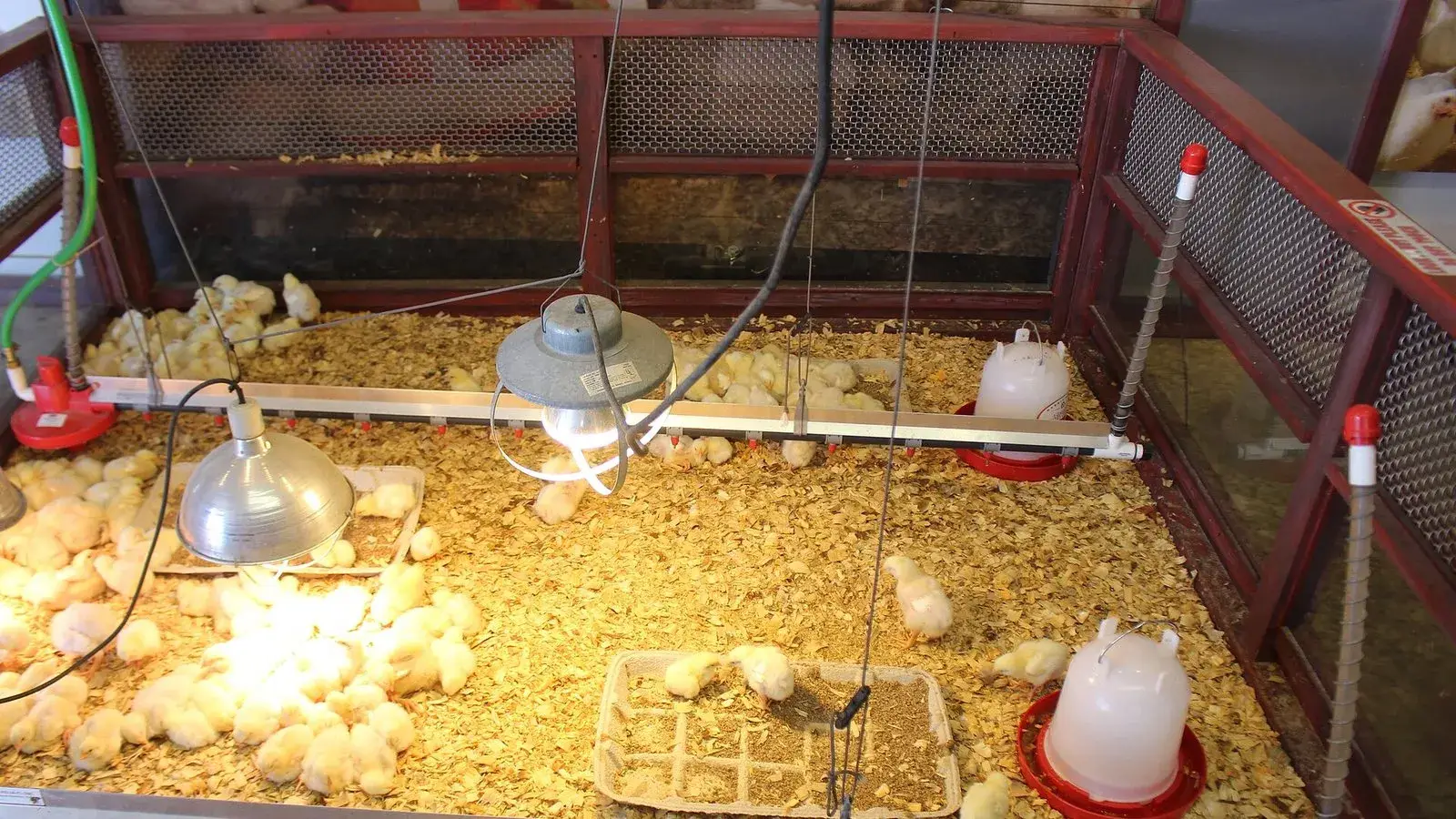
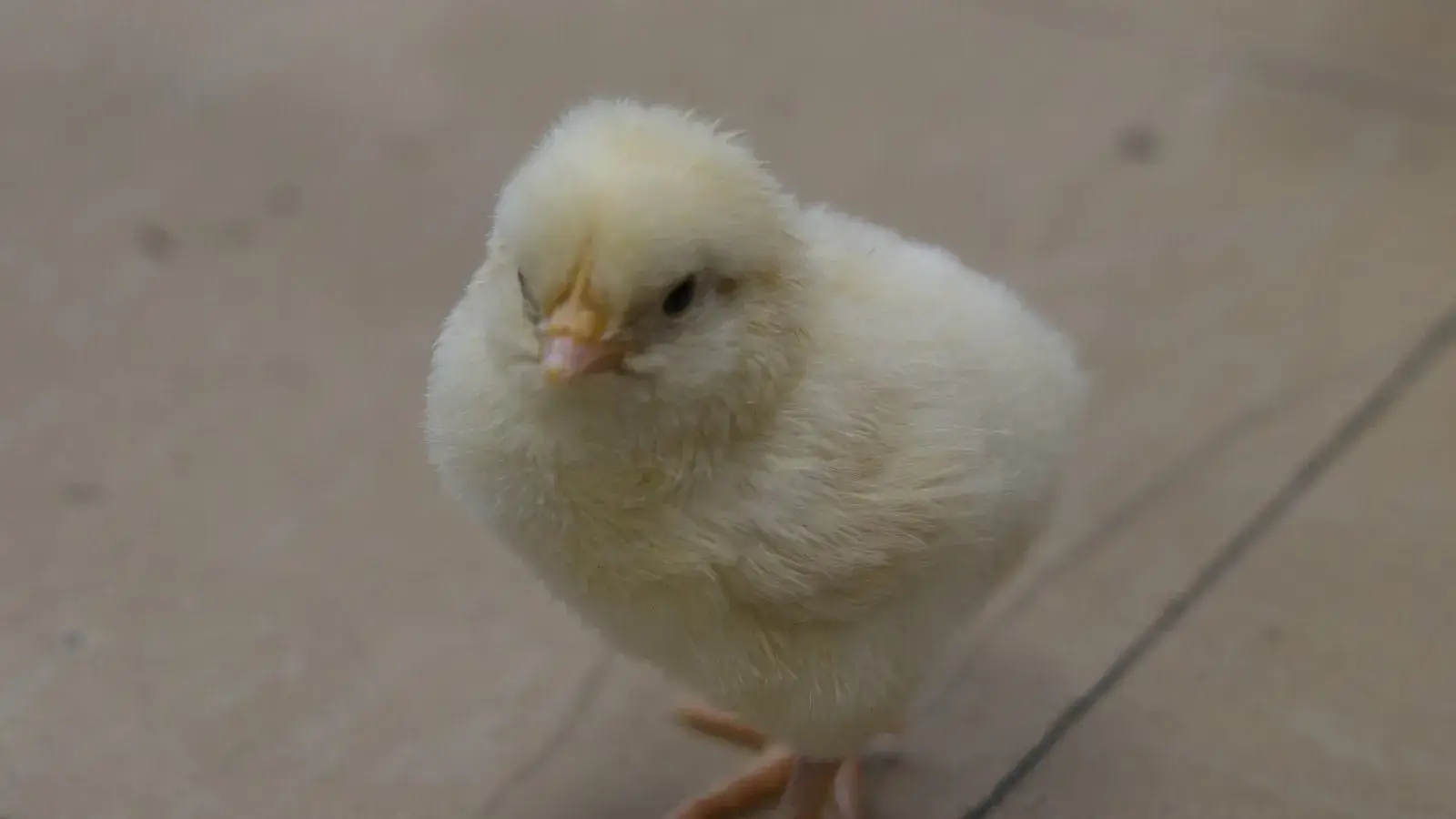
Day-old chicks drown in water that does not look deep enough to matter. A chick that slips into a half inch trough gets soaked, gets chilled, and cannot climb back out, which is why keepers fill the trough with clean marbles or pebbles for the first week and only take them out once the birds are steady on their feet.
The second problem is quieter and costs more birds. Water spilled into bedding creates the warm damp litter that coccidia need, and a wet patch under the drinker is the most common starting point for a coccidiosis outbreak in a brooder. That makes spill behaviour and where the waterer sits just as important as capacity.
There is also a job to do on arrival day. Chicks do not know where the water is, so you dip each beak into the drinker as you lift it out of the box. With a nipple drinker that step is not optional, because a chick that never finds the valve has nothing to fall back on.
The six waterers below win different situations. The first question is whether you want an open trough you can see into, or a closed system with no open water at all.
Our picks at a glance
Every product below wins one specific situation. Pick the row that matches your flock, your yard and your budget rather than reading top to bottom.
-
Best Overall
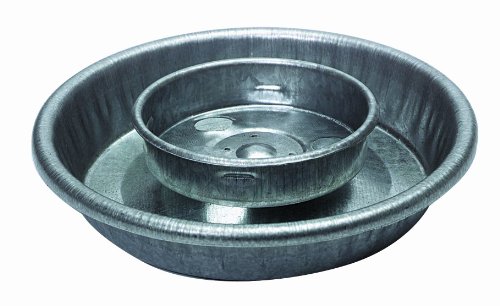
Little Giant Metal Base
A first brooder of up to 15 chicks where you want steel near the heat and a jar you can replace for pennies.
Check price on Amazon for Baby Chick Waterer Base - Little Giant - Metal Waterer Base Jar, 1 Quart (Item No. 9826) on AmazonAbout $6.73 checked Aug 8, 2026
-
Best for No Drowning Risk

ZenxyHoC Nipple Drinker
Keepers who have lost chicks to drowning before, or anyone brooding in a room where a wet patch cannot be tolerated.
Check price on Amazon for ZenxyHoC Baby Chick Waterer with Nipple Drinker 0.26 Gal (White) on AmazonAbout $9.99 checked Aug 8, 2026
-
Best Complete Kit

Little Giant Glass Jar Kit
First time keepers who want one box to arrive that works out of the packaging with nothing else to buy.
Check price on Amazon for Glass Jar Chick Waterer - Little Giant - Mason Jar Baby Chick Waterer, 1 Quart (Item No. MJ9826) on AmazonAbout $17.99 checked Aug 8, 2026
-
Best Small Brooder

Lixit Chick Waterer
Small brooders such as a plastic tote or a large box, where a 5.5 inch square base would take up too much floor.
Check price on Amazon for Lixit® Baby Chick Feeder or Waterer - Made in USA (Pack of 1) on AmazonAbout $9.97 checked Aug 8, 2026
-
Best Value Set

Potchen Galvanised 2-Pack
A first brooder of up to 25 chicks where you need both a feeder and a waterer and want steel for both.
-
Best for Bantams and Quail

Feekoon Anti-Drown 400ml
Quail chicks or bantam breeds, where a standard chick trough is too deep and too wide to be safe.
Check price on Amazon for 2 Pack Quail Water Feeder, Anti Drowning Design, 400ml on AmazonAbout $15.99 checked Aug 8, 2026
Compare every pick side by side
Swipe the table sideways to see every column on a phone.
| Product | Award | Price band | Capacity | Drinker Type | Drowning Risk | Material | Best use case | Buy link |
|---|---|---|---|---|---|---|---|---|
| Little Giant Metal Base | Best Overall | Under $30 | 1 quart with your own jar | Open trough base | Low, shallow lip | Galvanised steel | A first brooder of up to 15 chicks where you want steel near the heat and… | Check price for Baby Chick Waterer Base - Little Giant - Metal Waterer Base Jar, 1 Quart (Item No. 9826) on Amazon |
| ZenxyHoC Nipple Drinker | Best for No Drowning Risk | Under $30 | 0.26 gallons | Nipple drinker | None, no open water | BPA-free plastic | Keepers who have lost chicks to drowning before, or anyone brooding in a… | Check price for ZenxyHoC Baby Chick Waterer with Nipple Drinker 0.26 Gal (White) on Amazon |
| Little Giant Glass Jar Kit | Best Complete Kit | Under $30 | 1 quart | Open trough base | Low, shallow lip | Glass jar with metal base | First time keepers who want one box to arrive that works out of the packa… | Check price for Glass Jar Chick Waterer - Little Giant - Mason Jar Baby Chick Waterer, 1 Quart (Item No. MJ9826) on Amazon |
| Lixit Chick Waterer | Best Small Brooder | Under $30 | 32 oz | Open trough base | Low, narrow channel | Plastic, made in USA | Small brooders such as a plastic tote or a large box, where a 5.5 inch sq… | Check price for Lixit® Baby Chick Feeder or Waterer - Made in USA (Pack of 1) on Amazon |
| Potchen Galvanised 2-Pack | Best Value Set | Under $30 | 1 quart each with your own jars | Open trough base | Low, shallow lip | Galvanised steel | A first brooder of up to 25 chicks where you need both a feeder and a wat… | Check price for Potchen 2 Pcs Baby Chick Feeder and Waterer Base, Galvanized Steel Feeding Tray with 8 Holes, 1 Quart Compatible with Mason Jars & Standard Jars for Small Birds Chicks(Feeder and Waterer) on Amazon |
| Feekoon Anti-Drown 400ml | Best for Bantams and Quail | Under $30 | 400 ml each, two in the pack | Guarded shallow cup | Very low, anti-drown guard | Plastic | Quail chicks or bantam breeds, where a standard chick trough is too deep… | Check price for 2 Pack Quail Water Feeder, Anti Drowning Design, 400ml on Amazon |
The full reviews
Each review below follows the same order: what it is, why it won its category, how it behaves in real use, and who should buy something else.
1 Best Overall
Baby Chick Waterer Base - Little Giant - Metal Waterer Base Jar, 1 Quart (Item No. 9826)
A galvanised steel base that screws onto any wide mouth quart jar, with a shallow lip and nothing on it that a heat lamp can soften or warp.
What we liked
- Galvanised steel does not soften or deform near a brooder lamp the way plastic can
- Takes any standard wide mouth quart jar, so a replacement costs almost nothing
- Shallow lip and a small trough, so less standing water than a full size fount
- One quart covers up to 15 chicks between fills in the first week
What we did not
- The jar is not included, so the base holds nothing until you find a wide mouth quart jar
- Zinc coating reacts with acidic additives, so no vinegar in the water with this one
- The base stands 1.25 inches tall, so chicks scratch bedding straight into the trough
- It is still an open trough, so it needs marbles for the first week like any other
About $6.73 checked Aug 8, 2026
Key specifications
- Dimensions
- 5.5 x 5.5 x 1.25 in (L x W x H)
- Weight
- 0.000625 pounds
- Colour
- Metallic
- Capacity
- 1 quart with your own jar
- Drinker Type
- Open trough base
- Drowning Risk
- Low, shallow lip
- Material
- Galvanised steel
- Chicks Served
- Up to 15 chicks
Why the Little Giant Metal Base wins this category
Because it gets the two things right that matter most in week one and asks for almost nothing in return.
Water depth is the first. The trough is shallow and narrow rather than a deep ring, so there is less water for a chick to go into, and once you drop marbles in for the first week the open surface effectively disappears.
Heat is the second. A brooder lamp is a lot of radiant energy in a small space, and thin plastic that ends up too close to it can distort. Galvanised steel does not care.
Living with the Little Giant Metal Base
The jar arrangement is the quiet advantage. Any wide mouth quart jar fits, so a cracked or cloudy jar is replaced from a kitchen cupboard rather than by reordering the waterer, and you can swap a clean jar in while the other soaks.
Cleaning is easy for the same reason. A wide mouth jar takes a bottle brush to the bottom, and the base is a simple open shape with no channels to trap film.
One quart is a daily fill for a dozen chicks in a warm room, which is what you want anyway, because filling it is when you actually look at the birds.
Where the Little Giant Metal Base falls short
It is a base, not a waterer. If you do not already have a wide mouth quart jar, the price on the listing is not the price of a working drinker.
The zinc coating rules out acidic additives. Apple cider vinegar in the water is common advice and it reacts with galvanised steel, so use it in a plastic or glass drinker instead.
The last one is height. At 1.25 inches the trough sits at bedding level and chicks scratch shavings into it constantly. A brick or an upturned tray fixes it, but plan for that on day one rather than discover it on day three.
Research based, not hands-on
Assessed on the published material, dimensions and trough design, and compared against plastic bases on heat tolerance and against deeper founts on water depth.
- Best for
- A first brooder of up to 15 chicks where you want steel near the heat and a jar you can replace for pennies.
- Skip it if
- You want something that arrives ready to fill, because this is a base only and the jar is your problem.
- The limitation to plan around
- Plan on standing it on a block from the start. At 1.25 inches the trough sits at bedding level, so shavings and droppings get scratched in within hours unless you raise it.
2 Best for No Drowning Risk
ZenxyHoC Baby Chick Waterer with Nipple Drinker 0.26 Gal (White)
A closed 0.26 gallon reservoir with a nipple valve instead of a trough, which is the only design here where a chick cannot fall into the water at all.
What we liked
- No open water anywhere, so the drowning risk in week one is removed rather than reduced
- Nothing to fill with marbles and nothing to take out again at a week old
- Water stays clean because chicks cannot scratch bedding or droppings into it
- BPA-free plastic is safe with vinegar or electrolyte additives, unlike galvanised steel
What we did not
- Every chick has to be taught to peck the valve, and one that never learns can dehydrate within a day
- A nipple that sticks or clogs gives no visible sign, so failure looks exactly like a full waterer
- Closed reservoir with a small opening is harder to brush out than a wide mouth jar
About $9.99 checked Aug 8, 2026
Key specifications
- Dimensions
- 1 x 1 x 1 in (L x W x H)
- Colour
- White
- Capacity
- 0.26 gallons
- Drinker Type
- Nipple drinker
- Drowning Risk
- None, no open water
- Material
- BPA-free plastic
- Chicks Served
- Up to 12 chicks
Why the ZenxyHoC Nipple Drinker wins this category
Because it is the only answer here that removes the problem instead of managing it. Marbles reduce the chance of a chick going into the water. A closed reservoir means there is no water to go into.
That also solves the second half of the same problem. A chick cannot spill a nipple drinker by standing on the rim, so the bedding under it stays dry, and dry bedding is the single most useful thing you can do about coccidiosis in a brooder.
Living with the ZenxyHoC Nipple Drinker
Water quality is noticeably better than any open design, because shavings, droppings and feed simply cannot get in. Over three weeks that means less of the film that builds on a fouled trough.
Being plastic, it is also the drinker to use if you want apple cider vinegar or a vitamin supplement in the water. Those additives are a bad idea in a galvanised base and fine here.
At 0.26 gallons it holds about the same as the quart jar options, so it fits the same daily refill rhythm for up to a dozen chicks.
Where the ZenxyHoC Nipple Drinker falls short
The training is real work and it is not optional. Chicks find open water by accident. They do not find a valve by accident. Dip each beak as you lift it from the box, then go back an hour later and count how many are using it.
The failure mode is the more serious drawback. A nipple that clogs with grit or supplement residue, or a valve that sticks, looks identical to one that is working, because the reservoir is still full. An open trough tells you at a glance that there is water. This does not, so it needs a physical press of the valve every time you check the brooder.
The small fill opening also makes proper cleaning fiddly compared with a wide mouth jar.
Research based, not hands-on
Assessed on the published drinker type, capacity and material, and compared against open trough bases on drowning exposure and on training requirement.
- Best for
- Keepers who have lost chicks to drowning before, or anyone brooding in a room where a wet patch cannot be tolerated.
- Skip it if
- You cannot be there on arrival day to dip every beak and watch that each chick goes back to the valve.
- The limitation to plan around
- This shifts the risk from drowning to not drinking. Dip every beak as you unbox, then watch the whole batch over the first day, because a chick that has not found the valve has no fallback.
3 Best Complete Kit
Glass Jar Chick Waterer - Little Giant - Mason Jar Baby Chick Waterer, 1 Quart (Item No. MJ9826)
The same shallow trough base as the bare metal version but supplied with a one quart mason jar, so it arrives ready to fill with nothing to source.
What we liked
- Arrives complete, so there is no hunting for a wide mouth quart jar before the chicks land
- Glass does not scratch or stain, so the reservoir cleans back to new every time
- You can see the water level from across the brooder without lifting anything
- Shallow lip on the base keeps the standing water depth low
What we did not
- Glass in a brooder breaks, and glass in shavings means stripping and replacing the whole bedding
- You pay around 11 dollars more than the bare base for a jar most kitchens already have
- The metal base still reacts with acidic additives, so no vinegar in the water
- Still an open trough, so it needs marbles for the first week
About $17.99 checked Aug 8, 2026
Key specifications
- Dimensions
- 1 x 1 x 1 in (L x W x H)
- Weight
- 1.5 pounds
- Colour
- No Color
- Capacity
- 1 quart
- Drinker Type
- Open trough base
- Drowning Risk
- Low, shallow lip
- Material
- Glass jar with metal base
- Chicks Served
- Up to 15 chicks
Why the Little Giant Glass Jar Kit wins this category
Because arrival week is busy and this removes a decision. The base is the same shallow trough design that keeps water depth low, and the jar comes with it, so the box you open is a working waterer rather than half of one.
For anyone brooding chicks for the first time that matters more than it sounds. Shipped chicks turn up with a delivery window, not an appointment, and finding out on the day that your waterer needs a jar you do not own is a bad hour.
Living with the Little Giant Glass Jar Kit
Glass is the best cleaning surface in this comparison. It does not scratch, so there is nowhere for film to hold, and it does not stain from supplements or feed dust the way plastic gradually does.
Being clear also means you can read the water level from outside the brooder. With a dozen chicks drinking close to a quart a day, seeing at a glance that it is half down at lunchtime is genuinely useful.
Where the Little Giant Glass Jar Kit falls short
Glass and brooders are an uncomfortable pairing. A jar knocked off a bench, or a base lifted awkwardly while you are also holding a chick, ends with broken glass. If that happens over the bedding, the only safe answer is to strip the brooder out entirely.
The value question is the other one. The bare metal base does the identical job for around 11 dollars less, and the difference is a mason jar. If you have one in a cupboard, buy the base.
The base carries the same two caveats as the bare version. Acidic additives react with the zinc coating, and the open trough still needs marbles until the chicks are about a week old.
Research based, not hands-on
Assessed on the published capacity, materials and base design, and compared against the same manufacturer's bare metal base on cost and on what is included.
- Best for
- First time keepers who want one box to arrive that works out of the packaging with nothing else to buy.
- Skip it if
- Your brooder is somewhere a dropped jar would be a serious problem, such as a garage floor or a room with pets.
- The limitation to plan around
- Glass is the trade you are making. It cleans better than anything else here and it will not survive being knocked off a bench, so have a spare jar or accept a trip to the shops mid-brood.
4 Best Small Brooder
Lixit® Baby Chick Feeder or Waterer - Made in USA (Pack of 1)
A 32 oz plastic drinker with a narrow drinking channel rather than an open ring, on a tall body that keeps the water above bedding level in a small brooder.
What we liked
- Narrow drinking channel holds less standing water than a wide open trough
- Standing 7 inches tall, the water sits well above the shavings from day one
- Small 7.25 by 3.75 inch footprint suits a tote or a small cardboard brooder
- Plastic is safe with vinegar and electrolyte additives, unlike galvanised steel
What we did not
- Plastic can soften or distort if it ends up close to a brooder lamp, so it must sit at the cool end
- The narrow channel is awkward to scrub, so film builds in the corners a brush cannot reach
- Sold as a feeder or a waterer, so you need two units to cover both jobs
About $9.97 checked Aug 8, 2026
Key specifications
- Dimensions
- 7.25 x 3.75 x 7 in (L x W x H)
- Weight
- 0.35 pounds
- Colour
- Green
- Capacity
- 32 oz
- Drinker Type
- Open trough base
- Drowning Risk
- Low, narrow channel
- Material
- Plastic, made in USA
- Chicks Served
- Up to 12 chicks
Why the Lixit Chick Waterer wins this category
Because small brooders are mostly a floor space problem. A tote or a large box does not have room for a 5.5 inch square base, a feeder and a warm zone the chicks can spread out in, and this takes up 7.25 by 3.75 inches of it.
The tall body helps for the same reason. At around 7 inches the water sits above where the chicks are kicking bedding, so you get some of the benefit of raising a waterer on a block without needing the block.
Living with the Lixit Chick Waterer
The narrow channel is the design detail worth noticing. Instead of a wide ring of open water it presents a slot, which means less standing depth and less surface for a chick to slip into. It still wants marbles for the first week.
Being plastic, it is one of the drinkers here you can safely use with apple cider vinegar or an electrolyte supplement, both of which are a poor idea in a galvanised base.
32 oz is roughly a day for a dozen chicks in a warm room, which fits a fill-every-morning routine.
Where the Lixit Chick Waterer falls short
Plastic near heat is the constraint that decides whether this works for you. A brooder lamp puts out a lot of radiant energy at close range, and a plastic reservoir parked in it can soften. The waterer belongs at the cool end anyway, so this is only a problem in a brooder too small to have a cool end.
Cleaning is the day to day irritation. The same narrow channel that keeps water shallow also keeps a bottle brush out of the corners, and chicks foul their water within hours. Expect to soak it rather than swill it.
The listing also covers a feeder or a waterer, not both. If you want a matching pair you are buying two.
Research based, not hands-on
Assessed on the published dimensions, capacity, material and channel design, and compared against wide open bases on footprint and water depth.
- Best for
- Small brooders such as a plastic tote or a large box, where a 5.5 inch square base would take up too much floor.
- Skip it if
- Your heat source is a lamp with no room to keep plastic well away from it at the cool end.
- The limitation to plan around
- Keep it at the cool end and mean it. Plastic close to a radiant lamp is the one way this design fails, and a warm reservoir also grows bacteria faster than a cool one.
5 Best Value Set
Potchen 2 Pcs Baby Chick Feeder and Waterer Base, Galvanized Steel Feeding Tray with 8 Holes, 1 Quart Compatible with Mason Jars & Standard Jars for Small Birds Chicks(Feeder and Waterer)
A galvanised steel waterer base and an eight hole feeder tray in one box, both taking standard quart jars, which covers a whole brooder setup for around 20 dollars.
What we liked
- Feeder and waterer in one purchase, so the brooder is sorted in a single order
- Galvanised steel on both, so neither piece is at risk near a brooder lamp
- Both bases take standard mason or quart jars you can replace from a cupboard
- Shallow lip on the waterer base keeps standing water depth low
What we did not
- Two jars are still your problem, and neither is included in the box
- Only one of the two pieces is a waterer, so a large brooder still needs a second drinker
- Zinc coating reacts with acidic additives, so vinegar in the water is out
- The waterer base is an open trough, so it needs marbles for the first week
Key specifications
- Dimensions
- 6.3 x 6.3 x 4.33 in (L x W x H)
- Weight
- 0.72 pounds
- Colour
- silver
- Capacity
- 1 quart each with your own jars
- Drinker Type
- Open trough base
- Drowning Risk
- Low, shallow lip
- Material
- Galvanised steel
- Chicks Served
- Up to 25 chicks across both
Why the Potchen Galvanised 2-Pack wins this category
On cost per piece. Two galvanised steel bases, one drilled as an eight hole feeder tray and one as a waterer, land for around the price of a single mid-range drinker. If you are setting a brooder up from nothing, that is one order instead of two.
Steel is the right material in both roles. Nothing in the box distorts near a lamp, and both pieces will still be usable several batches from now, which is not always true of thin plastic brooder gear.
Living with the Potchen Galvanised 2-Pack
The jar system is the same one that makes the Little Giant base worth owning. Standard mason and quart jars thread straight on, so a cracked or cloudy jar is a kitchen cupboard problem rather than a reorder, and you can keep a spare clean jar ready to swap while the other soaks.
The waterer base uses the same shallow lip approach, so water depth is low before you add marbles and very low after.
Filled, the pieces are light at 0.72 pounds for the pair, so stand them on a paver or a board rather than straight on shavings.
Where the Potchen Galvanised 2-Pack falls short
Read the pack description carefully, because this is a feeder and a waterer, not two waterers. The stated figure of up to 25 chicks is what the pair covers between them. A brooder of 25 chicks drinking hard in week three will want a second drinker regardless.
No jars are included with either piece, so the box on its own does not hold anything. Two wide mouth quart jars are the actual requirement.
The galvanising carries the same caveat as every steel base here. Apple cider vinegar and other acidic additives react with the zinc coating, so if supplements in the water are part of your routine, run them through a plastic or glass drinker instead.
Research based, not hands-on
Assessed on the published materials, capacities and jar compatibility of both pieces, and compared against buying a separate steel base and feeder.
- Best for
- A first brooder of up to 25 chicks where you need both a feeder and a waterer and want steel for both.
- Skip it if
- You already own a chick feeder, because then you are paying for a duplicate to get the drinker.
- The limitation to plan around
- The 25 chick figure is across both pieces, not per piece. The waterer holds one quart, which is a daily fill for a dozen chicks and a twice daily fill as they grow.
6 Best for Bantams and Quail
2 Pack Quail Water Feeder, Anti Drowning Design, 400ml
A pair of 400 ml drinkers with a guarded shallow cup instead of an open trough, sized for quail and bantam chicks rather than standard breeds.
What we liked
- Guarded cup design gives the lowest drowning risk of any open water drinker here
- Two in the pack, so you can put a drinker at each end of a divided brooder
- Sized for quail and bantam chicks, which get lost at a full size trough
- Plastic is safe with vinegar or electrolyte supplements in the water
What we did not
- 400 ml is small, so ten chicks in a warm room need refilling more than once a day
- The guard that keeps chicks out also keeps a brush out, so the cup is fiddly to scrub properly
- Scaled for quail and bantams, so a batch of standard breed chicks outgrows it within a few weeks
About $15.99 checked Aug 8, 2026
Key specifications
- Size
- 2pack 400ml
- Colour
- as shown
- Capacity
- 400 ml each, two in the pack
- Drinker Type
- Guarded shallow cup
- Drowning Risk
- Very low, anti-drown guard
- Material
- Plastic
- Chicks Served
- Up to 10 bantam chicks or quail
Why the Feekoon Anti-Drown 400ml wins this category
Because quail and bantam chicks are not just smaller versions of the same problem. A quail chick is tiny, and a trough sized for a standard breed is both too deep to be safe and too wide for the bird to reach across comfortably.
The guarded cup answers both. The opening is small, the water sits shallow behind the guard, and there is no open ring for a chick to walk into. It is the closest thing here to a nipple drinker's safety without asking a chick to learn a valve.
Living with the Feekoon Anti-Drown 400ml
Getting two in the pack is more useful than it looks. Quail chicks do not travel far for water in the first days, so a drinker at each end of the brooder means no bird has far to go.
Being plastic, these take vinegar or an electrolyte supplement without the reaction you get in a galvanised base. They are light and small, so stand them on something flat and solid rather than loose bedding.
Where the Feekoon Anti-Drown 400ml falls short
400 ml is not much water. For up to ten bantam chicks or quail it works, and it works on the basis that you are refilling more than once a day. Anyone hoping to fill a drinker in the morning and forget it should look at the quart options instead.
The guard creates the cleaning problem. The same shape that keeps chicks out of the water keeps a bottle brush out of the cup, and chick water needs proper cleaning daily rather than a rinse. Expect to soak these.
The size limit is the last thing to be clear about. These are scaled for quail and bantams. Standard breed chicks will find the cup opening restrictive within a few weeks and you will be buying a bigger drinker anyway.
Research based, not hands-on
Assessed on the published capacity, guarded cup design and material, and compared against open trough bases on water depth and on suitability for smaller chicks.
- Best for
- Quail chicks or bantam breeds, where a standard chick trough is too deep and too wide to be safe.
- Skip it if
- You are brooding standard size chicks, because they will outgrow 400 ml and the cup opening quickly.
- The limitation to plan around
- Capacity is the thing to plan around. At 400 ml each these are a twice a day fill for a small batch, so they suit someone who is in and out of the brooder anyway.
How we compared these chick waterers
Every waterer here was judged against the four things that go wrong in the first three weeks, not against its listing copy.
Drowning risk was judged on water depth and open surface area, and on whether the design still needs marbles for the first week. Spill behaviour was judged on how easily a chick standing on the rim or scratching alongside can push water into the bedding, because wet litter under the drinker is where coccidiosis outbreaks start. Cleaning was judged on whether you can get a brush onto every wetted surface, since chicks foul their water within hours. Capacity was compared against roughly a quart a day for a dozen chicks in a warm brooder.
We also looked at how each one behaves near heat, because a plastic base parked under a lamp softens, and at whether the design can be lifted onto a block as the birds grow.
What actually matters in a chick waterer
Water depth, and why the marbles are not optional
This is the specification that decides whether you lose birds, and no listing states it.
Down is not waterproof. A chick that goes into a trough soaks through in seconds, loses body heat far faster than it can generate it, and is usually too weak to climb the lip. Half an inch of water is enough.
Filling the trough with clean glass marbles or smooth pebbles solves it. The water sits in the gaps, chicks drink from between the stones, and there is no open surface to fall into. Pull them out at about a week old, when the birds are steadier and the marbles start getting in the way.
A nipple drinker removes the risk entirely, at the cost of having to teach every chick where the valve is.
Spills, damp bedding and coccidiosis
Coccidia sit at low levels in most flocks and only become a problem when litter is warm and damp. A permanently wet patch under a drinker is exactly that.
So the question to ask of any waterer is not just how much it holds but how easily water gets out of it. A tall narrow channel spills less than a wide shallow ring. A base sitting flat on shavings will always wick a little into the bedding around it, which is why standing the whole thing on a scrap of board, a paver or an upturned tray is worth doing on day one.
Whatever gets wet, change it that day. This is a housekeeping problem with a health consequence, and if chicks go hunched, ruffled or pass blood, it stops being a housekeeping problem and becomes a vet call.
The first drink
Chicks arrive without knowing where anything is. Dip each beak into the water as you take it out of the box, set it down near the drinker, and let the rest copy the ones that got the idea.
With an open trough a chick will usually blunder into water eventually. With a nipple drinker it will not, so the beak dip is the difference between a drinking chick and a dehydrated one.
Cleaning, and the film you cannot see
Chicks kick shavings and droppings into open water within a couple of hours, and a film builds on the reservoir walls that a rinse does not touch.
The practical question is whether a bottle brush reaches everything. Wide mouth jars and open bases pass easily. Narrow channels, guarded cups and closed reservoirs with small fill holes are all harder, and if you use vitamin or electrolyte supplements the residue makes it worse.
One warning on galvanised steel: acidic additives such as apple cider vinegar react with the zinc coating. Use those in plastic or glass, not in a galvanised base.
Setting the waterer up in the brooder
Put it at the cool end, away from the heat source. Warm water grows bacteria faster, chicks drink it less willingly, and a spill in the hot zone is the worst place for one.
Stand the base on something solid rather than straight on shavings, so bedding does not wick water and chicks cannot scratch litter into the trough as easily.
Raise it as they grow. A waterer at floor height suits a day-old chick and is a bedding trap by week three. Setting it on a brick or a block so the rim sits at back height keeps it clean with no other change.
Fill it twice a day in the first fortnight, not because it runs dry but because you want eyes on it.
Final recommendation
The Little Giant Metal Base is the best all-round buy. Galvanised steel will not soften near a lamp, the lip is shallow, it takes any wide mouth quart jar you already own, and it costs less than a bag of feed.
If drowning is the thing keeping you up, the ZenxyHoC Nipple Drinker removes the open water entirely, as long as you commit to dipping beaks and checking every chick drinks on day one. If you would rather buy one box and be done, the Little Giant Glass Jar Kit arrives complete and cleans up perfectly. For a small brooder that needs both a feeder and a waterer in steel, the Potchen Galvanised 2-Pack covers it, and for bantams or quail the Feekoon Anti-Drown 400ml is sized for much smaller birds than everything else here.
Questions people ask before buying
Do I really need marbles in a chick waterer?
For the first week, yes, with any open trough. A day-old chick weighs almost nothing, and if it goes into the trough the down soaks through, the chick chills fast and it usually cannot get itself out. Clean glass marbles or smooth pebbles fill the trough so the water sits between them and a chick can drink without a surface deep enough to fall into. Take them out at around a week old, once the birds are steady on their feet, because by then they get in the way of drinking.
How do I teach chicks to drink?
Dip each beak. As you lift every chick out of the shipping box or the incubator, hold it gently and touch its beak into the water for a second, then set it down near the drinker. Most chicks swallow, then go back on their own and the rest copy them. This matters even more with a nipple drinker, because there is no open water to stumble into, so a chick that is never shown the valve may not find it at all.
Where should the waterer go in the brooder?
At the cool end, as far from the heat source as the brooder allows. Water next to a lamp warms up, and warm water grows bacteria faster and is less appealing to drink. Keeping it at the cool end also means any spill is not landing in the warm bedding directly under the heat, which is the exact combination that lets coccidia multiply. Chicks will happily walk the length of a brooder for a drink.
Why does spilled water cause coccidiosis?
Coccidia are parasites that are present in almost every flock at low levels. They need warm, damp litter to sporulate and become infectious, so a permanently wet patch under a drinker turns a background presence into an outbreak. The controls are practical rather than medical: keep the drinker where spills are least likely, raise it as the birds grow, and change any bedding that gets wet the same day. If chicks go hunched, ruffled or pass blood, that is a vet call, not a bedding job.
Are nipple drinkers safe for day-old chicks?
They remove the drowning risk completely because there is no open water, and that is a real advantage. The trade is that a chick has to learn to peck a valve, so you must dip beaks on arrival and then watch that every bird is drinking over the first day. Many keepers run a nipple drinker alongside a small open trough for the first few days, then remove the trough once they are confident the whole batch has found the valve.
How much water do chicks drink?
Far more than people expect, and roughly twice the weight of the feed they eat. A dozen chicks in a warm brooder will get through something close to a quart a day in the first couple of weeks and more as they grow, so a one quart waterer is a daily fill, not a set and forget. Water intake also rises sharply in a hot room, so check it twice a day rather than trusting yesterday's rate.
Why you can trust this guide
- Written by
- Marta Voss, Editor and fact checker, Chicken Geek. Specialist areas: Editorial fact checking, Chick brooding and starter nutrition, Small-flock husbandry, Feed labels and nutrition claims.
- Fact checked by
- Sam Reddick
- Published
- August 6, 2026 · Last updated August 6, 2026 · Products and links rechecked August 6, 2026
- How we picked
- Waterers were compared on water depth and open surface area against the drowning risk to day-old chicks, how easily water reaches the bedding, whether every wetted surface can be reached with a brush, capacity against a warm brooder, and how the design behaves near a heat lamp.
- Evidence used
- None of the 6 products on this page were sent to us or bought for a hands-on test. Every recommendation here is research based: manufacturer specifications, listed dimensions and materials, owner feedback at volume, and comparison against equipment our team has owned. Each review states this again above the buy button so you are never guessing which kind of evidence sits behind a pick.
- Editorial standards
- No brand pays for placement, and no manufacturer sees this page before it goes live. Read our editorial policy and testing method.
- Affiliate disclosure
- Chicken Geek is reader supported. We earn a commission from qualifying purchases made through links on this page, at no extra cost to you, and no brand has paid for a placement or an award here.
About the author

Editor and fact checker, Chicken Geek
Marta edits every guide on Chicken Geek and checks that each claim can be traced back to a manufacturer specification, a published standard or a stated first-hand observation. She keeps a small backyard flock of six hens and has raised chicks from day one for eight seasons.
- Eight seasons raising chicks from day-old to point of lay
- Checks every specification in a Chicken Geek guide against the manufacturer listing
- Removes any testing claim that cannot be backed up
- Keeps a flock of six hens in a suburban backyard