We Compared 6 Predator-Proof Coops on Mesh, Latches and Dig Defence
We compared six coops and runs on mesh aperture, latch design and dig defence, the three things that decide whether a flock survives a raccoon or a fox.

By Sam Reddick Lead gear reviewer, Chicken Geek
Fact checked by Marta Voss
Published Prices and stock checked 7 min read
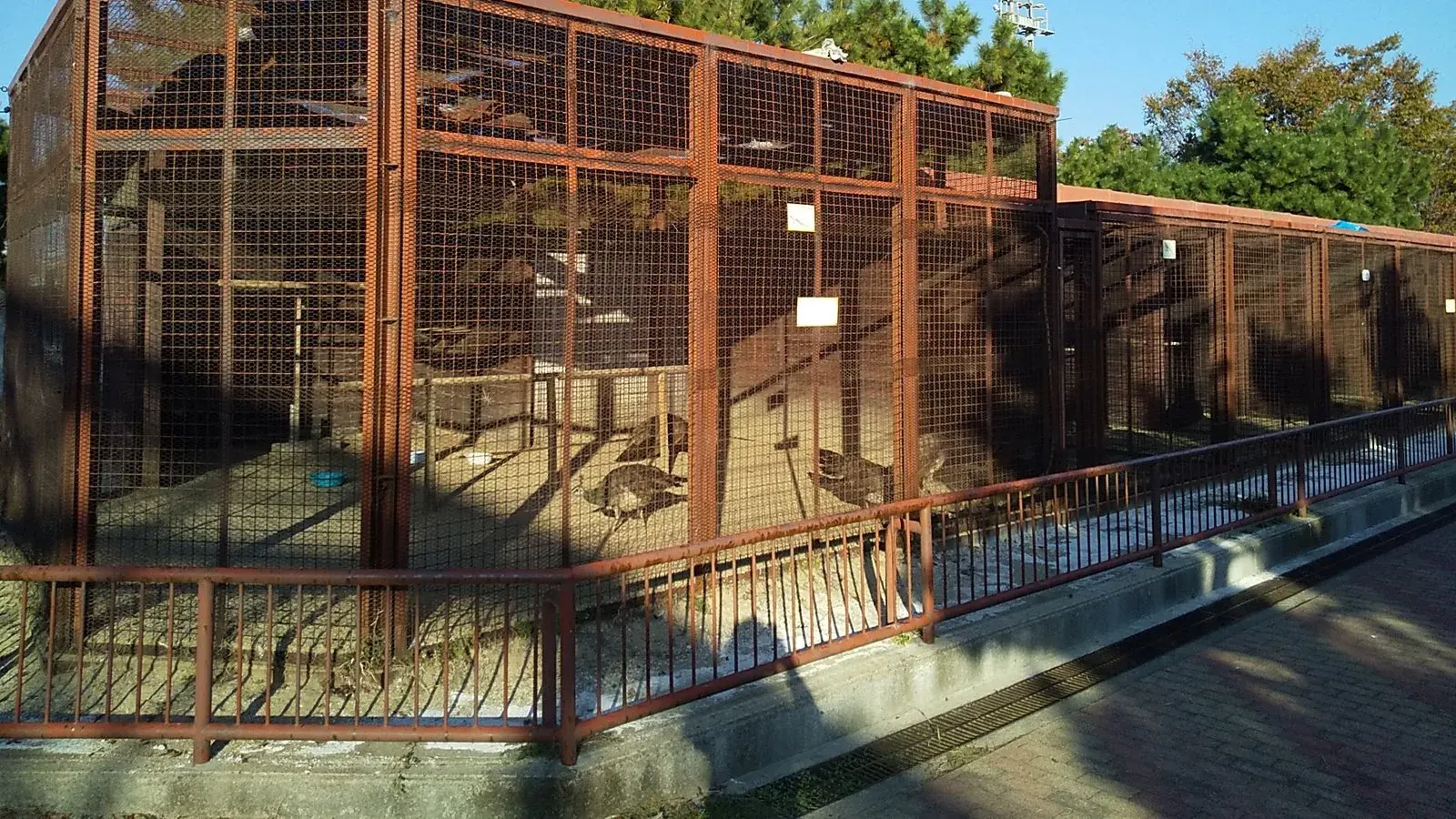
Almost every coop sold as predator proof fails on one of three specifications, and it is nearly always the same three. The mesh aperture is too large, so a raccoon reaches through it. The latch is a single catch, so a raccoon opens it. Or there is nothing below the ground line, so a fox digs under it.
This guide compares six options on exactly those three things. We have been blunt about which ones arrive finished and which ones are a good base that you will need to complete yourself, because in this category an honest description of what is missing is more useful than a marketing claim.
One thing worth saying before you read any further: there is no coop on this page, or anywhere else, that is predator proof out of the box in fox country without a dig barrier. That is a job you do on the ground before the coop goes down, and it is the cheapest and most effective thing in this entire guide.
Our picks at a glance
Every product below wins one specific situation. Pick the row that matches your flock, your yard and your budget rather than reading top to bottom.
-
Best Overall

HERBAN Metal Coop
Keepers in raccoon, fox or hawk country who need a large secure daytime run and already have a henhouse to put inside it.
-
Best Double-Latched Door

Quictent 12x9 Run
Keepers whose main predator pressure is raccoons, which are the animals most likely to defeat a simple latch.
Check price on Amazon for Quictent 12x9x6.6ft Large Metal Chicken Coop Run with Side Hardware Cloth on AmazonAbout $215 checked Aug 8, 2026
-
Best Wooden Coop

HomeSheek 6-10 Coop
Keepers who want a complete coop and run in one purchase and need it to hold up against raccoons overnight.
-
Best Budget

UDPATIO Walk-In Coop
Buyers who want the largest secure run their budget allows and are willing to spend an afternoon upgrading the mesh and latch themselves.
Check price on Amazon for UDPATIO Large Metal Chicken Coop Walk in Run House Pen Galvanized Frame on AmazonAbout $117 checked Aug 8, 2026
-
Best for Narrow Yards

RUNVA 121 in Coop
Suburban keepers fitting a secure coop and run along a fence line or side return where depth is the limiting dimension.
-
Best Deterrent Add-On

GEROSSI Night Repeller
Adding a cheap extra layer around a run that is already properly meshed and latched, particularly on a new coop in an area with known coyote or fox activity.
Check price on Amazon for Solar Nocturnal Animal Repeller 4 Pack, Coyote Deterrent for Yard Outdoor on AmazonAbout $29.97 checked Aug 8, 2026
Compare every pick side by side
Swipe the table sideways to see every column on a phone.
| Product | Award | Price band | Mesh Type | Frame | Dig Defence | Latch Type | Best use case | Buy link |
|---|---|---|---|---|---|---|---|---|
| HERBAN Metal Coop | Best Overall | $120 to $250 | Hardware cloth on all sides | Galvanised steel | Ground-anchor stakes included | Lockable latch | Keepers in raccoon, fox or hawk country who need a large secure daytime r… | Check price for HERBAN 2026 Upgraded Large Metal Chicken Coop with All-Around Hardware Cloth, 9.8x13.1x6.4 ft Walk-in Outdoor Chicken Run Pen for Backyard with Cover, Spire Roof Poultry Cages on Amazon |
| Quictent 12x9 Run | Best Double-Latched Door | $120 to $250 | Side hardware cloth, welded wire top | Galvanised steel | Stakes included | Double-latch door | Keepers whose main predator pressure is raccoons, which are the animals m… | Check price for Quictent 12x9x6.6ft Large Metal Chicken Coop Run with Side Hardware Cloth on Amazon |
| HomeSheek 6-10 Coop | Best Wooden Coop | $250 to $500 | Hardware cloth on windows and run | Solid wood with metal mesh | None built in | Twist-lock latches | Keepers who want a complete coop and run in one purchase and need it to h… | Check price for HomeSheek Large Chicken Coop for 6-10 Chickens, Outdoor Predator Proof Wooden Hen House Design with 2 Nesting Boxes and Weatherproof Roof, Easy to Clean Poultry Cage for Outsides on Amazon |
| UDPATIO Walk-In Coop | Best Budget | $60 to $120 | Welded wire, hardware cloth lower band | Galvanised steel | Stakes included, apron sold separately | Spring latch | Buyers who want the largest secure run their budget allows and are willin… | Check price for UDPATIO Large Metal Chicken Coop Walk in Run House Pen Galvanized Frame on Amazon |
| RUNVA 121 in Coop | Best for Narrow Yards | $120 to $250 | Galvanised wire mesh | Fir wood | None built in | Two-step latch | Suburban keepers fitting a secure coop and run along a fence line or side… | Check price for Large Chicken Coop for 4-6 Chickens with Attached Run, Predator Proof Hen House with Waterproof Asphalt Roof & Removable Cleaning Tray on Amazon |
| GEROSSI Night Repeller | Best Deterrent Add-On | Under $30 | Not applicable | Not applicable | Not applicable | Not applicable | Adding a cheap extra layer around a run that is already properly meshed a… | Check price for Solar Nocturnal Animal Repeller 4 Pack, Coyote Deterrent for Yard Outdoor on Amazon |
The full reviews
Each review below follows the same order: what it is, why it won its category, how it behaves in real use, and who should buy something else.
1 Best Overall
HERBAN 2026 Upgraded Large Metal Chicken Coop with All-Around Hardware Cloth, 9.8x13.1x6.4 ft Walk-in Outdoor Chicken Run Pen for Backyard with Cover, Spire Roof Poultry Cages
Hardware cloth on every face rather than only the lower band, which is the difference between a run that stops a raccoon and one that merely slows it down.
What we liked
- Hardware cloth across all sides, not just the bottom three feet
- Galvanised steel frame will not rot, warp or lose a screw grip
- Ground anchor stakes are supplied rather than sold as an accessory
- 157 in by 118 in gives twelve to eighteen birds proper run space
What we did not
- The anchor stakes resist wind, not digging, so a buried apron is still your job
- Fabric roof cover degrades under UV and will need replacing every two to three seasons
- No henhouse, roost or nest box is included at all
Key specifications
- Dimensions
- 157.2 x 117.6 x 76.8 in (L x W x H)
- Weight
- 97 pounds
- Colour
- Silver
- Mesh Type
- Hardware cloth on all sides
- Frame
- Galvanised steel
- Dig Defence
- Ground-anchor stakes included
- Latch Type
- Lockable latch
- Roof Cover
- Waterproof cover
- Bird Capacity
- 12 to 18 standard hens
Why the HERBAN wins this category
Because it does the thing almost every competitor stops halfway through. Most metal runs advertise hardware cloth and then apply it only to the bottom three feet, on the reasoning that predators come from the ground. Raccoons climb. So do rats. A run with welded wire above head height and hardware cloth below it has a wide open door at the top.
Full coverage costs the manufacturer more and is the single most meaningful specification in this category.
Living with the HERBAN
Half-inch mesh changes what you can leave out. Feed can stay in the run overnight without becoming a rat buffet, and chicks or bantams cannot squeeze through the way they can through one-inch wire.
The galvanised frame is the other quiet advantage. Timber runs lose their grip on screws as the wood softens, and the fixings that hold your mesh are exactly the fixings you cannot afford to fail.
Where the HERBAN falls short
Digging. The supplied stakes hold the frame down against wind, and that is all they do. A fox will go under the rail in a few minutes and the stakes will not register. You need an apron: a strip of hardware cloth about 18 inches wide laid flat on the ground all the way round, pegged down, and eventually grown over by grass. Predators dig at the base of a barrier, hit the horizontal mesh, and give up.
The roof cover is the other consumable. Fabric under UV has a life, and this one is measured in seasons, not years.
Research based, not hands-on
Assessed on the published mesh type and coverage, frame specification and included anchors, and compared against runs that use hardware cloth only on a lower band.
- Best for
- Keepers in raccoon, fox or hawk country who need a large secure daytime run and already have a henhouse to put inside it.
- Skip it if
- You want a complete coop, or your predator problem is primarily digging rather than reaching and climbing.
- The limitation to plan around
- Nothing here stops a fox or dog digging under the frame. Hardware cloth on the walls is only half the job, and the other half is an 18 in apron of the same mesh laid flat on the ground around the whole perimeter.
2 Best Double-Latched Door
Quictent 12x9x6.6ft Large Metal Chicken Coop Run with Side Hardware Cloth
A 12 by 9 ft run with hardware cloth up the sides and a two-stage door latch, which is the detail that matters most because raccoons open single latches.
What we liked
- Two-stage door latch defeats the single-catch latches raccoons routinely open
- Hardware cloth on all four sides at standing height
- Waterproof and anti-UV cover lasts longer than plain PE sheeting
- 108 sq ft covers ten to fourteen birds at proper run density
What we did not
- The roof is welded wire rather than hardware cloth, leaving a climbing route in
- Stakes are supplied but there is no dig barrier of any kind
- Assembly is a three to four hour job and awkward to do alone
About $215 checked Aug 8, 2026
Key specifications
- Dimensions
- 134.7 x 108.3 x 78.8 in (L x W x H)
- Colour
- Beige
- Mesh Type
- Side hardware cloth, welded wire top
- Frame
- Galvanised steel
- Dig Defence
- Stakes included
- Latch Type
- Double-latch door
- Roof Cover
- Waterproof and anti-UV cover
- Bird Capacity
- 10 to 14 standard hens
Why the Quictent wins this category
The latch. It is the least glamorous specification in this entire guide and the one that most often decides whether a flock survives the night. Raccoons have hands. A single spring catch, a simple hook, a barrel bolt with nothing through it: all of these are things a raccoon works out in one or two visits.
A two-stage latch requires two different actions in sequence, and that is where their patience runs out.
Living with the Quictent
The hardware cloth on all four vertical faces means the perimeter at bird height is genuinely secure. Anything that can reach through one-inch wire cannot reach through half-inch mesh, and that includes the paw-through grab that kills birds roosting near a wall.
The anti-UV cover is a small upgrade with a real effect. Plain PE sheeting goes brittle and starts tearing at the grommets in its second summer.
Where the Quictent falls short
The roof. Vertical faces get hardware cloth, the top does not. If your local raccoons climb, and most do, the top panel is the face they will work. Overlaying it with hardware cloth is possible but it is an awkward job at height and adds meaningful cost.
There is also nothing here that addresses digging. The stakes hold the frame against wind. Assume you are supplying the apron yourself.
Research based, not hands-on
Assessed on the published latch design, mesh specification by face, and cover material, and compared against runs using single-catch latches.
- Best for
- Keepers whose main predator pressure is raccoons, which are the animals most likely to defeat a simple latch.
- Skip it if
- Your problem is aerial predators or climbing predators, because the welded wire roof is the weak face here.
- The limitation to plan around
- The roof uses larger welded wire rather than hardware cloth. A raccoon that gets on top can reach through it, so if you have climbing pressure you should plan on overlaying the roof panel.
3 Best Wooden Coop
HomeSheek Large Chicken Coop for 6-10 Chickens, Outdoor Predator Proof Wooden Hen House Design with 2 Nesting Boxes and Weatherproof Roof, Easy to Clean Poultry Cage for Outsides
The one wooden coop here we would trust overnight, because the mesh is hardware cloth and the latches are twist-locks rather than the hooks and spring catches used at this price.
What we liked
- Twist-lock latches need a rotating action, which raccoons manage far less often than a hook
- Hardware cloth on windows and run rather than one-inch chicken wire
- Solid wood construction gives a genuinely enclosed, windproof sleeping space
- Asphalt roof rather than felt, so the structure stays dry and the timber stays strong
What we did not
- No dig defence of any kind, and a timber coop sits directly on the soil
- Timber needs re-treating every 12 to 18 months or the screws holding the mesh lose grip
- Heavy and effectively permanent once assembled, so ground preparation is a one-shot decision
Key specifications
- Dimensions
- 69.5 x 31.5 x 59.1 in (L x W x H)
- Colour
- Grey(69.5"L x 31.5"W x 59.1"H)
- Mesh Type
- Hardware cloth on windows and run
- Frame
- Solid wood with metal mesh
- Dig Defence
- None built in
- Latch Type
- Twist-lock latches
- Roof Cover
- Asphalt roof
- Bird Capacity
- 6 to 10 standard hens
- Coop Floor Area
- About 12 sq ft
- Run Area
- About 10 sq ft
- Nesting Boxes
- 2
- Roost Bar Length
- About 40 in
- Material
- Solid wood with metal mesh
Why the HomeSheek wins this category
Because in the timber tier, predator resistance almost always comes down to two components: what the mesh is and how the door shuts. Most wooden coops in this price range use one-inch chicken wire and a hook-and-eye or a spring catch. Both lose to a raccoon.
Hardware cloth plus twist-lock latches is a specification you normally have to build yourself. Getting it factory-fitted on a complete coop and run is genuinely unusual.
Living with the HomeSheek
A timber coop gives you something metal runs do not: a properly enclosed, draught-free sleeping box. Birds shut into a solid wooden house at dusk are behind a real barrier, not behind mesh, and that changes the risk profile of a bad night considerably.
The asphalt roof matters here more than on a cheaper coop, because the whole security case depends on the timber staying sound. Wet timber softens, and soft timber lets screws pull through.
Where the HomeSheek falls short
The ground line. Everything above the sill is well specified and everything below it is soil. Foxes and dogs dig, and they dig exactly where the structure meets the ground. There is nothing in this design to stop that.
The fix has to happen before assembly. Lay hardware cloth flat where the coop will sit, extending 18 inches beyond the footprint, and build on top of it. Retrofitting that later means dismantling the coop.
Research based, not hands-on
Assessed on the published latch type, mesh specification and construction, and compared against the timber coops in our main coop guide that use staples and hook latches.
- Best for
- Keepers who want a complete coop and run in one purchase and need it to hold up against raccoons overnight.
- Skip it if
- Foxes or dogs dig in your area, because the timber base sits on soil with nothing beneath it.
- The limitation to plan around
- The base sits straight on the ground. A fox digging at the perimeter meets soil, not mesh, and timber offers no resistance below the sill. Either set it on a hardware cloth apron before assembly or on a hard base.
4 Best Budget
UDPATIO Large Metal Chicken Coop Walk in Run House Pen Galvanized Frame
A 10 by 6 ft walk-in enclosure at a price that leaves budget for the hardware cloth upgrade it needs, which is a better outcome than a pricier run you cannot afford to improve.
What we liked
- Cheapest walk-in enclosure here by a clear margin
- Galvanised frame at a price where powder-coated mild steel is normal
- Hardware cloth band along the lower section where most attacks start
- Leaves enough budget to buy a roll of half-inch mesh and finish the job properly
What we did not
- Only the lower band is hardware cloth, the rest is standard welded wire
- Spring latch is a single catch, which is the type raccoons open most often
- The dig apron is not included and is genuinely necessary here
About $117 checked Aug 8, 2026
Key specifications
- Dimensions
- 120 x 72 x 72 in (L x W x H)
- Weight
- 60 pounds
- Colour
- Silver M
- Mesh Type
- Welded wire, hardware cloth lower band
- Frame
- Galvanised steel
- Dig Defence
- Stakes included, apron sold separately
- Latch Type
- Spring latch
- Roof Cover
- PE cover
- Bird Capacity
- 10 to 15 standard hens
Why the UDPATIO wins this category
Honest arithmetic. A finished predator-proof run costs a certain amount. You can either pay it to a manufacturer or pay part of it to a manufacturer and part of it to a hardware store, and the second route usually gets you more square footage for the same money.
This run is the best base for that approach: the frame is galvanised rather than painted mild steel, the footprint is generous, and the lower band already has the mesh that matters most.
Living with the UDPATIO
At six and a half feet of headroom you walk in rather than crawl, which is the thing that keeps a run clean over years rather than weeks.
The galvanised frame is worth calling out at this price. Powder-coated mild steel is normal in the budget tier, and once the coating chips at a joint the rust starts there and spreads under the paint.
Where the UDPATIO falls short
It is unfinished, and buyers should understand that rather than discover it. Welded wire above the hardware cloth band lets a raccoon reach through at standing height. The spring latch is the single-catch type that raccoons defeat. Neither is a defect at this price, but both are jobs.
There is also no dig defence at all. In fox or dog country the apron is not optional, and the honest total cost of this run includes a roll of half-inch hardware cloth and a bag of ground staples.
Research based, not hands-on
Assessed on the published frame and mesh specification by section, the latch type, and compared against the fully clad metal runs in this guide.
- Best for
- Buyers who want the largest secure run their budget allows and are willing to spend an afternoon upgrading the mesh and latch themselves.
- Skip it if
- You want a finished product out of the box with no follow-up work.
- The limitation to plan around
- Out of the box this is a containment run, not a predator-proof one. Treat the purchase price as roughly two thirds of the real cost, with the balance going on hardware cloth for the upper panels and a decent two-stage latch.
5 Best for Narrow Yards
Large Chicken Coop for 4-6 Chickens with Attached Run, Predator Proof Hen House with Waterproof Asphalt Roof & Removable Cleaning Tray
Ten feet of coop and run in a strip only 25 inches deep, which is the shape that fits down the side of a house where every other secure setup will not.
What we liked
- Only 24.9 in deep, so it fits side returns and narrow strips other coops cannot
- Two-step latch rather than the single hook used on most timber coops this size
- Galvanised wire mesh instead of standard chicken wire
- Full-length covered run despite the narrow footprint
What we did not
- At 25 in deep the run is a corridor, so birds cannot pass each other without backing up
- No dig defence and a timber sill sitting directly on soil
- Narrow frame means the whole structure racks if the ground is not level along its length
Key specifications
- Dimensions
- 121 x 24.88 x 41.3 in (L x W x H)
- Colour
- UPG Model-Orange
- Mesh Type
- Galvanised wire mesh
- Frame
- Fir wood
- Dig Defence
- None built in
- Latch Type
- Two-step latch
- Roof Cover
- Asphalt roof
- Bird Capacity
- 4 to 6 standard hens
Why the RUNVA wins this category
Shape. Most people who cannot keep chickens securely have space, just not the right shape of space: a three-foot strip beside a garage, a run along a boundary fence, a gap behind a shed. Almost every coop is designed for an open lawn.
At 121 inches long and under 25 inches deep, this fits places nothing else in this guide does, and it fits them with a covered run and a two-step latch.
Living with the RUNVA
The two-step latch is the specification that earns it a place in a predator guide at all. Timber coops at this price nearly always ship with a hook and eye, which is not a lock, it is a suggestion.
Galvanised welded wire rather than chicken wire is the other upgrade. It will not stop a paw reaching through the way hardware cloth does, but it will not tear the way hexagonal chicken wire does either.
Where the RUNVA falls short
The width, and it is a serious limitation rather than a niggle. Twenty-five inches is roughly the space one hen occupies standing. Two birds meeting in the run have to reverse. In a settled pair that is manageable. In a flock with an active pecking order it means a bullied bird has nowhere to go, and that is how feather picking starts.
The ground line is the other gap. Timber sill on soil, no apron, nothing under the run. In fox country you must add one.
Research based, not hands-on
Assessed on the published footprint, mesh type and latch design, and compared against the wider timber coops in this guide on run usability.
- Best for
- Suburban keepers fitting a secure coop and run along a fence line or side return where depth is the limiting dimension.
- Skip it if
- You have open space available, because the same money buys far more usable area in a squarer footprint.
- The limitation to plan around
- Twenty-five inches of depth is barely more than a standing hen. Birds in this run cannot pass each other, and in a flock with any pecking-order tension that turns a corridor into a trap.
6 Best Deterrent Add-On
Solar Nocturnal Animal Repeller 4 Pack, Coyote Deterrent for Yard Outdoor
Four solar flashing units that make a coop perimeter look occupied to a nocturnal animal. Genuinely useful as a layer, and worthless as a substitute for mesh.
What we liked
- Solar powered with no wiring, batteries or maintenance once staked in
- Four units cover a normal backyard coop perimeter from several approach angles
- Costs a fraction of upgrading a run's mesh, so it is a cheap first layer
- Works on the animals it is aimed at, which approach at night and dislike novelty
What we did not
- Predators habituate to a static light pattern within a few weeks in a fixed position
- Does nothing at all against daytime predators, hawks or rats
- Solar charging is unreliable in winter at northern latitudes, exactly when pressure peaks
About $29.97 checked Aug 8, 2026
Key specifications
- Dimensions
- 3.5 x 1.2 x 3.5 in (L x W x H)
- Colour
- Black with Bright Red LED Lights
- Mesh Type
- Not applicable
- Frame
- Not applicable
- Dig Defence
- Not applicable
- Latch Type
- Not applicable
- Roof Cover
- Not applicable
- Bird Capacity
- Perimeter deterrent, any flock size
Why the GEROSSI repeller wins this category
Because layered defence is how flocks actually survive, and the cheapest layer to add is the one that discourages an animal from approaching in the first place. A predator that decides your yard looks occupied never gets as far as testing your latch.
At the price of a couple of bags of feed, it is a rational thing to add to a perimeter that is already physically sound.
Living with the GEROSSI repeller
Installation is pushing four stakes into the ground facing the approaches to the coop. There is no wiring, no battery changing and no switch.
The right way to use them is as an early layer on a run you have already secured. They buy you deterrence, not protection, and the distinction matters at 2am.
Where the GEROSSI repeller falls short
Habituation, which is not a flaw in this product specifically but a property of every static visual deterrent. A fox that walks past a flashing red light three nights running and comes to no harm stops treating it as information. Wildlife management literature is consistent on this.
The practical answer is to move them every two to three weeks so the pattern keeps changing, which most owners will not do.
The second limitation is scope. They do nothing about hawks, nothing about rats, and nothing in daylight. And in a northern winter, when predator pressure is at its highest because natural food is scarce, the solar panels get the least charge. That is precisely the wrong correlation.
Research based, not hands-on
Assessed on the published output, power source and coverage claims, and set against the general evidence that visual deterrents lose effectiveness through habituation.
- Best for
- Adding a cheap extra layer around a run that is already properly meshed and latched, particularly on a new coop in an area with known coyote or fox activity.
- Skip it if
- You are hoping to avoid upgrading your mesh, because no deterrent replaces a physical barrier.
- The limitation to plan around
- Animals habituate. A light that never moves and always does the same thing stops being novel within about a month, so these need repositioning every few weeks to keep working at all.
How we compared these coops and runs
We ignored the phrase "predator proof" entirely, because every listing in this category uses it, and scored on measurable specifications instead.
For mesh we recorded the aperture and, critically, which faces it covers. A run with hardware cloth on the lower three feet and welded wire everywhere else was scored as welded wire, because a predator only needs one face. For latches we counted the number of distinct actions required to open the door from outside. For dig defence we recorded what is actually supplied, not what is possible.
Frame material and cover durability were used to separate options that scored the same on the three primary tests.
The three specifications that decide the outcome
Mesh aperture, and which faces it covers
Half-inch hardware cloth is the standard. It excludes raccoon paws, weasels, rats and snakes. One-inch chicken wire excludes chickens and very little else, and it tears when pulled hard because the strands are twisted rather than welded.
The coverage question is the one buyers miss. Manufacturers apply hardware cloth to the lower band and welded wire above it, because the lower band is what appears in photographs. Raccoons climb. Assume every face needs the same specification.
Latch design
Count the actions. A hook is one action. A slide bolt is one action. A spring catch is one action. All of these are within a raccoon's ability, and they have all night to work on it.
Two distinct actions in sequence is the threshold that works: a bolt plus a carabiner, a twist plus a pull, a latch plus a pin. This is also the cheapest thing on this list to fix. A carabiner through an existing hasp costs almost nothing.
Dig defence
Nothing in this category ships with real dig defence, so this is a job you do.
Lay a strip of hardware cloth 18 to 24 inches wide flat on the ground, running outward from the base of the run all the way around, and peg it down with ground staples. Predators dig where the barrier meets the earth, hit the horizontal mesh, and stop. It is more effective than burying a barrier vertically and takes a tenth of the work.
The layers that matter beyond the coop
Shutting birds in at dusk does more than any single specification, because most predation happens at night. If your schedule cannot guarantee that, an automatic door is a better investment than better mesh.
Aerial cover matters if you have hawks. A run with an open top is fine for adult standard-size birds in most areas and is not fine for bantams or young birds.
Removing food removes visitors. Feed left out overnight brings rats, rats bring attention, and a run with a rodent population is a run being visited nightly by things that also eat chickens.
Final recommendation
The HERBAN Metal Coop is the strongest base because it is the only one here that puts hardware cloth on every face rather than treating coverage as a marketing photograph. The Quictent 12x9 Run is the pick if raccoons are your specific problem, because its two-stage latch addresses the failure that actually kills flocks.
If you want one purchase that includes a solid overnight house, the HomeSheek Wooden Coop is the only timber option here with hardware cloth and twist-lock latches fitted from the factory. And whichever you buy, spend the extra thirty dollars on a roll of hardware cloth for the apron. It is the cheapest life insurance in this guide.
Questions people ask before buying
Is chicken wire enough to keep predators out?
No, and the name is misleading. Chicken wire was designed to keep chickens in, not to keep predators out. The hexagonal weave tears under sustained pulling, and the one-inch aperture lets a raccoon put a paw through and grab a bird roosting against the wall. Half-inch hardware cloth is the standard replacement: it is welded rather than twisted, it resists tearing, and nothing bigger than a mouse fits through it.
How deep should a dig barrier go?
It does not need to go deep, it needs to go outward. An 18 to 24 inch strip of hardware cloth laid flat on the ground, extending outward from the base of the run and pegged down, works better than a buried vertical barrier and takes a fraction of the effort. Predators dig at the point where the barrier meets the ground, hit horizontal mesh, and do not think to back up and start again further out. Grass grows through it within a season and hides it entirely.
Can raccoons really open latches?
Yes, routinely. Raccoons have highly dexterous forepaws and are persistent problem solvers, and hooks, simple slide bolts and single spring catches are all within their ability. The practical rule is that any latch a curious five-year-old could open in under a minute is a latch a raccoon will eventually open. Two-stage latches, carabiners through a hasp, and spring-loaded barrel bolts with a pin all work because they need two separate actions in sequence.
What predator kills chickens without leaving obvious damage to the coop?
Usually a weasel, mink or rat, all of which get through gaps you would not think twice about. A weasel can pass through an opening of about one inch, which means standard chicken wire and most ventilation gaps are open doors. If you lose birds with no sign of forced entry, check every gap, vent and joint against a half-inch standard rather than looking for a hole.
Do I need to lock chickens in the coop at night?
It is the single most effective habit in predator prevention. Most losses happen between dusk and dawn, and a solid coop shut with a good latch is a far better barrier than any run. If you cannot be there reliably at dusk, an automatic door is worth more to your flock's survival than upgrading your run mesh, because a run that is secure on five nights out of seven is not secure.
Will a light or sound deterrent protect my flock on its own?
No. Visual and sound deterrents work by novelty, and animals habituate to anything that repeats without consequence, usually within a few weeks. They are a useful extra layer on a coop that is already physically secure, and they will move a predator's first visit later rather than prevent the tenth. Treat them as a supplement to mesh and latches, never as an alternative.
Why you can trust this guide
- Written by
- Sam Reddick, Lead gear reviewer, Chicken Geek. Specialist areas: Coop design and predator proofing, Feeding and watering systems, Cold-weather flock management, Incubation and brooding.
- Fact checked by
- Marta Voss
- Published
- August 6, 2026 · Last updated August 6, 2026 · Products and links rechecked August 6, 2026
- How we picked
- Every option was assessed on three specifications that determine predator outcomes: mesh aperture and which faces it covers, latch mechanism and how many distinct actions it requires, and what if anything resists digging. Frame material and cover durability were used as tiebreakers.
- Evidence used
- None of the 6 products on this page were sent to us or bought for a hands-on test. Every recommendation here is research based: manufacturer specifications, listed dimensions and materials, owner feedback at volume, and comparison against equipment our team has owned. Each review states this again above the buy button so you are never guessing which kind of evidence sits behind a pick.
- Editorial standards
- No brand pays for placement, and no manufacturer sees this page before it goes live. Read our editorial policy and testing method.
- Affiliate disclosure
- Chicken Geek is reader supported. We earn a commission from qualifying purchases made through links on this page, at no extra cost to you, and no brand has paid for a placement or an award here.
About the author

Lead gear reviewer, Chicken Geek
Sam has kept a backyard laying flock for eleven years, through two coop rebuilds, one very determined raccoon and several winters cold enough to freeze a waterer solid overnight. He writes the buying guides at Chicken Geek and is responsible for how products get compared.
- Eleven years keeping a mixed laying flock of 8 to 14 birds
- Has built, bought and replaced six different coops
- Runs the product comparison framework used across Chicken Geek
- Reads manufacturer manuals, spec sheets and warranty terms before every recommendation