We Compared 6 Chicken Run Covers on Rain, Hawks and Mesh
We compared six chicken run covers on the two jobs they do: solid tarps that keep rain and wild bird droppings out, and netting that keeps hawks from dropping in.

By Sam Reddick Lead gear reviewer, Chicken Geek
Fact checked by Marta Voss
Published Prices and stock checked 7 min read
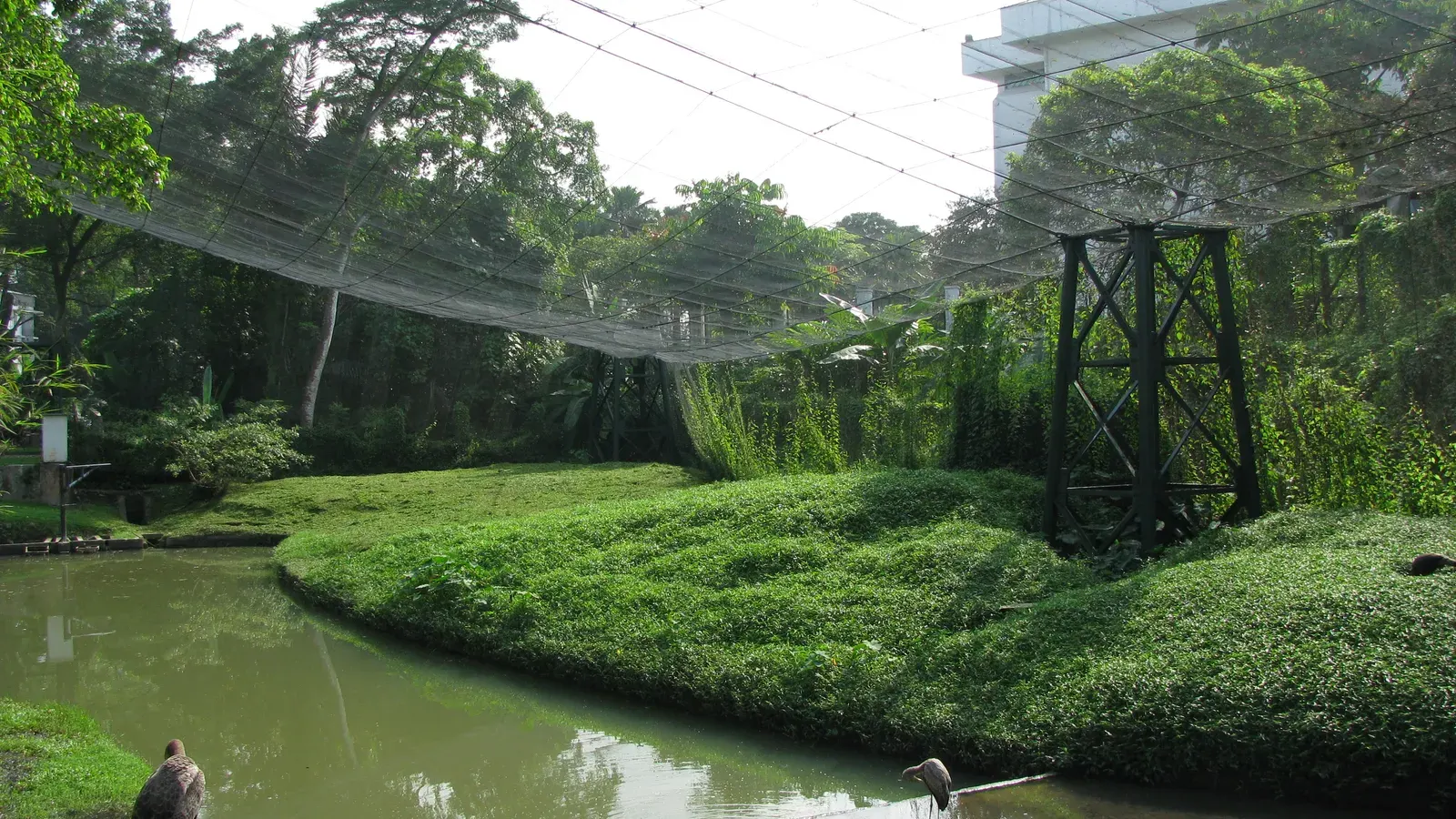
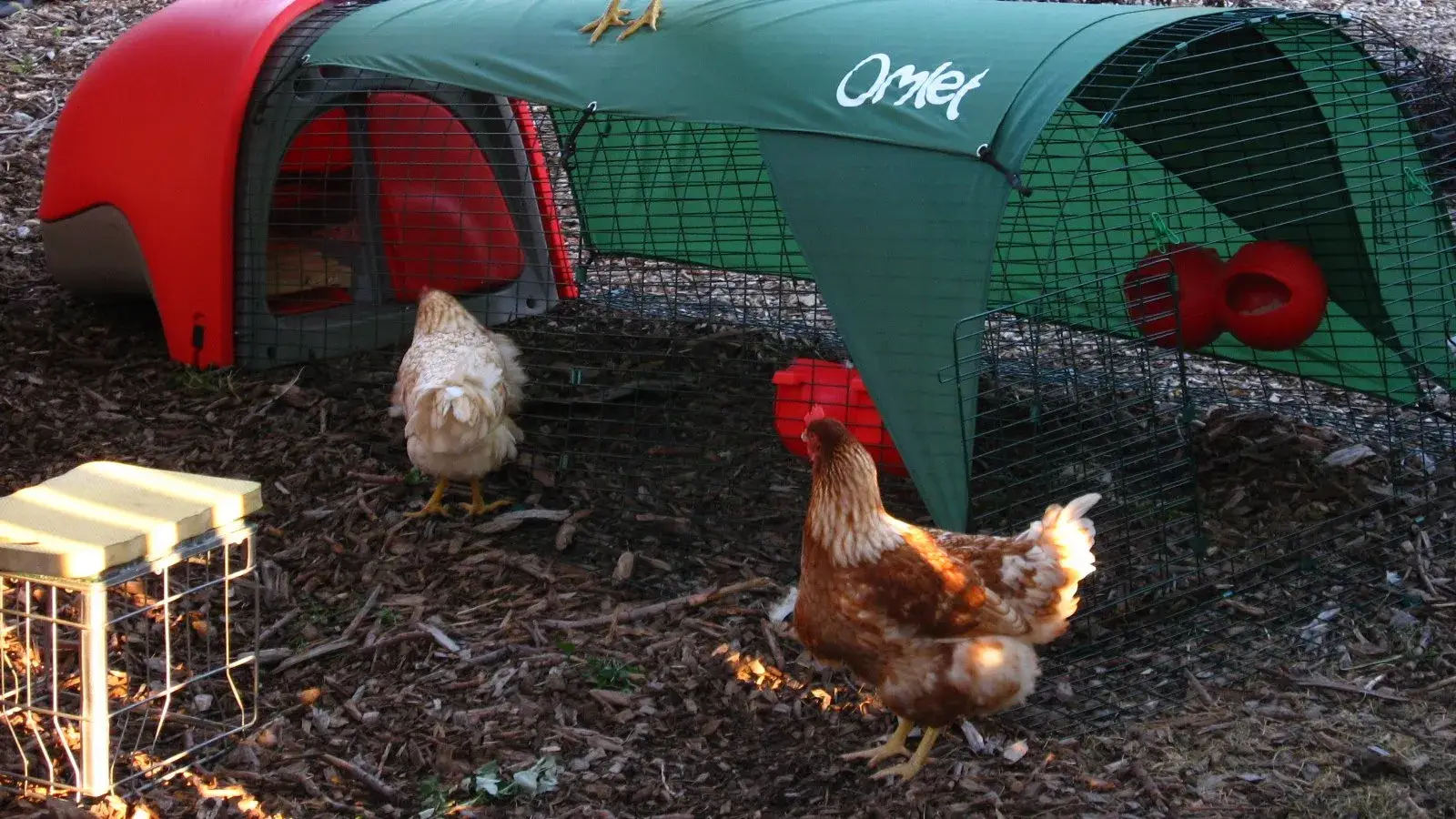
A chicken run cover is two different products sold under one search term. One is a solid tarp that keeps rain off. The other is netting that keeps hawks out. They are not alternatives to each other, and plenty of runs need both.
The solid cover does more than keep the ground dry, and this is the part buyers miss. A roof over the run is what stops wild bird droppings landing where your hens scratch and eat, and droppings from starlings, sparrows and pigeons are the main route disease takes into a backyard flock. Netting cannot do that job, because rain and everything carried in it passes straight through the mesh.
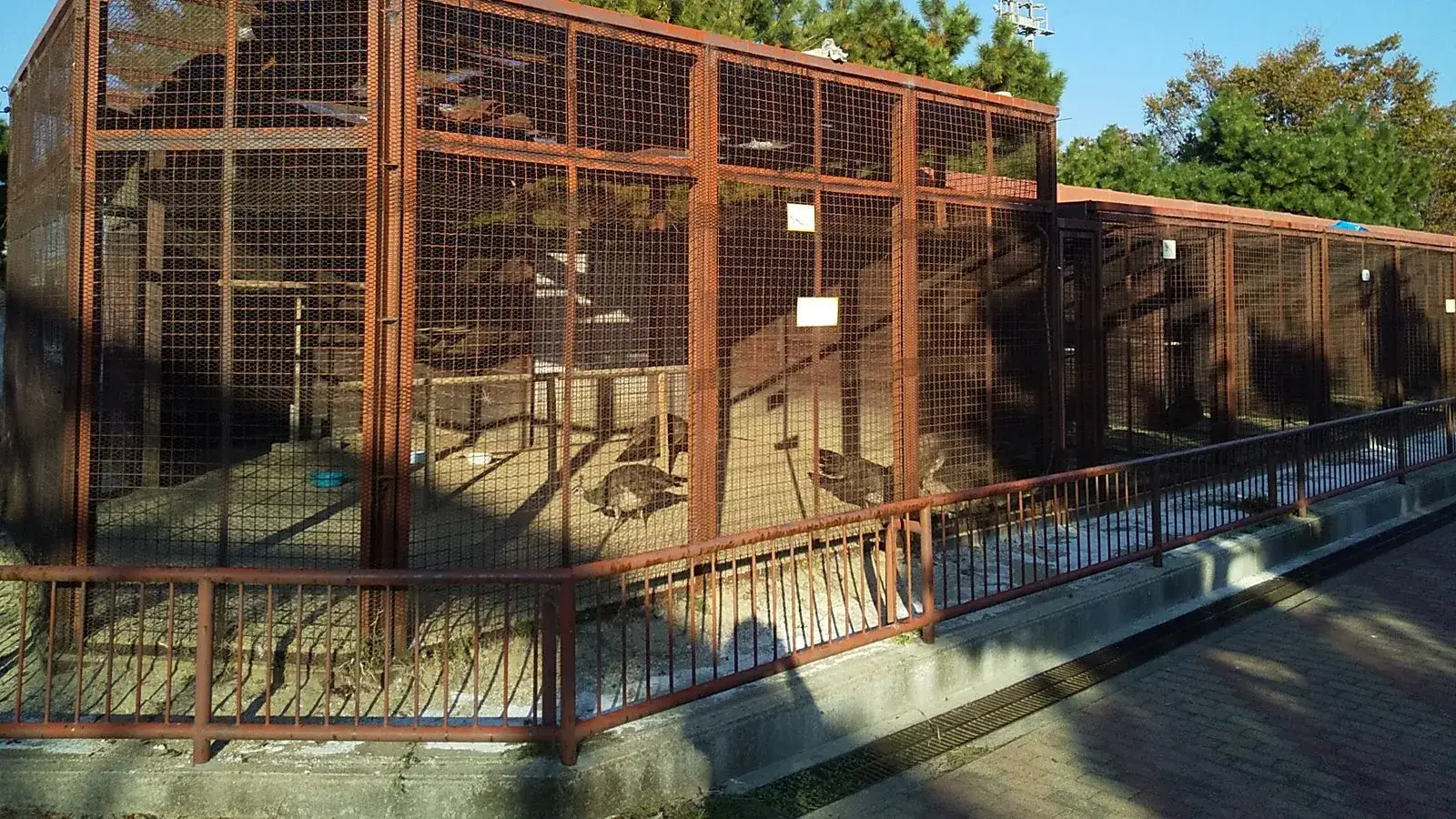
Netting does the job a tarp cannot. It stops a hawk dropping into an open run, and the mesh size decides whether it also stops small wild birds. Two inches is enough to keep raptors out. One inch is what keeps sparrows out of the feed.
We compared six covers on those two jobs, on the fixings that decide whether a tarp survives its first winter, and on the mistake that ruins more covers than anything else, which is fitting a tarp flat.
Our picks at a glance
Every product below wins one specific situation. Pick the row that matches your flock, your yard and your budget rather than reading top to bottom.
-
Best Overall

PawGiant 11.7x6.7 ft
Keepers with a standard walk-in run who want rain and wild bird droppings kept out of the ground the flock uses.
Check price on Amazon for Chicken Coop Cover Waterproof, 11.7x6.7ft Tarp for Walk-in Chicken Run, 1PC on AmazonAbout $27.99 checked Aug 8, 2026
-
Best Aviary Netting
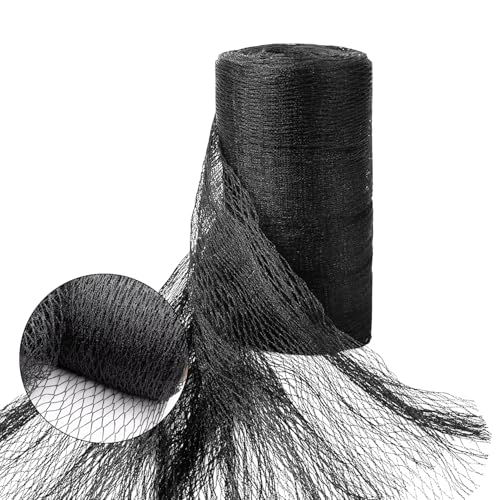
Vocray 1 in Aviary Net
Runs that lose birds to hawks and also get raided by sparrows and starlings around the feeder.
Check price on Amazon for Vocray Bird Netting for Chicken Coop 50x50 Ft, 1" Mesh Aviary Netting on AmazonAbout $59.99 checked Aug 8, 2026
-
Best Two-Pack

VitalCozy 2-Pack
Long runs that need two sheets, or keepers who would rather own the replacement before the first cover fails.
Check price on Amazon for VitalCozy 2 Pcs Chicken Run Coop Cover Tarp 11.5 X 6.6 Ft White on AmazonAbout $35.99 checked Aug 8, 2026
-
Best for Large Runs
VitalCozy 14.5x6.6 ft
Long walk-in runs of 12 ft or more where a single 11 ft tarp leaves a section of the run exposed.
Check price on Amazon for VitalCozy 2 Pcs Chicken Run Coop Cover Tarp 14.5 X 6.6 Ft White on AmazonAbout $38.99 checked Aug 8, 2026
-
Best Budget Netting

BSTPCOO 2.4 in Net
Keepers whose only overhead problem is birds of prey and who want a large run closed off cheaply.
Check price on Amazon for BSTPCOO 2.4" Mesh Bird Netting for Chicken Coop 50'x50', Poultry Netting on AmazonAbout $29.99 checked Aug 8, 2026
-
Best Budget Tarp

FLOUREE 11.5x6.5 ft
Anyone who needs the feeding area under cover immediately and would rather spend little and replace it.
Check price on Amazon for 11.5 * 6.5 FT Chicken Coop Cover Waterproof White, 1 Pack on AmazonAbout $18.99 checked Aug 8, 2026
Compare every pick side by side
Swipe the table sideways to see every column on a phone.
| Product | Award | Price band | Cover Type | Dimensions | Material | Uv Rating | Best use case | Buy link |
|---|---|---|---|---|---|---|---|---|
| PawGiant 11.7x6.7 ft | Best Overall | Under $30 | Waterproof tarp | 11.7 x 6.7 ft | Coated PE fabric | UV treated | Keepers with a standard walk-in run who want rain and wild bird droppings… | Check price for Chicken Coop Cover Waterproof, 11.7x6.7ft Tarp for Walk-in Chicken Run, 1PC on Amazon |
| Vocray 1 in Aviary Net | Best Aviary Netting | $30 to $60 | Aviary netting | 50 x 50 ft | Knotted polyethylene, 1 in mesh | UV stabilised | Runs that lose birds to hawks and also get raided by sparrows and starlin… | Check price for Vocray Bird Netting for Chicken Coop 50x50 Ft, 1" Mesh Aviary Netting on Amazon |
| VitalCozy 2-Pack | Best Two-Pack | $30 to $60 | Waterproof tarp | 11.5 x 6.6 ft, two supplied | Coated PE fabric | UV treated | Long runs that need two sheets, or keepers who would rather own the repla… | Check price for VitalCozy 2 Pcs Chicken Run Coop Cover Tarp 11.5 X 6.6 Ft White on Amazon |
| VitalCozy 14.5x6.6 ft | Best for Large Runs | $30 to $60 | Waterproof tarp | 14.5 x 6.6 ft, two supplied | Coated PE fabric | UV treated | Long walk-in runs of 12 ft or more where a single 11 ft tarp leaves a sec… | Check price for VitalCozy 2 Pcs Chicken Run Coop Cover Tarp 14.5 X 6.6 Ft White on Amazon |
| BSTPCOO 2.4 in Net | Best Budget Netting | Under $30 | Aviary netting | 50 x 50 ft | Polyethylene, 2.4 in mesh | UV stabilised | Keepers whose only overhead problem is birds of prey and who want a large… | Check price for BSTPCOO 2.4" Mesh Bird Netting for Chicken Coop 50'x50', Poultry Netting on Amazon |
| FLOUREE 11.5x6.5 ft | Best Budget Tarp | Under $30 | Waterproof tarp | 11.5 x 6.5 ft | Coated PE fabric | Basic UV resistance | Anyone who needs the feeding area under cover immediately and would rathe… | Check price for 11.5 * 6.5 FT Chicken Coop Cover Waterproof White, 1 Pack on Amazon |
The full reviews
Each review below follows the same order: what it is, why it won its category, how it behaves in real use, and who should buy something else.
1 Best Overall
Chicken Coop Cover Waterproof, 11.7x6.7ft Tarp for Walk-in Chicken Run, 1PC
A UV treated coated PE tarp sized for the common walk-in run, and it does the job most buyers actually want: rain off the ground and wild bird droppings out of the run.
What we liked
- 11.7 x 6.7 ft matches the width of most backyard walk-in runs with an overhang to spare
- Coated PE sheds water rather than soaking, so it does not get heavier as it rains
- UV treated fabric holds up longer than untreated tarp before it goes brittle
- Grommets all round give you enough tie points to tension it properly
What we did not
- Grommets and ties are the only fixing, so a flat fit pools water and rips the eyelets out
- Opaque fabric cuts the light in the run, which is noticeable in short winter days
- One sheet only, so a run longer than 11.7 ft needs a second cover and a lap joint
- Stops nothing getting in, so hawks and raccoons are untouched by it
About $27.99 checked Aug 8, 2026
Key specifications
- Dimensions
- 11.7 x 6.7 ft
- Cover Type
- Waterproof tarp
- Material
- Coated PE fabric
- Uv Rating
- UV treated
- Fixing
- Grommets and ties
Why the PawGiant 11.7x6.7 ft wins this category
Because it is the right size for the run most people own, at a price that does not make you hesitate about covering only part of it.
Walk-in runs sold for backyard flocks are usually 6 to 7 ft wide, and 6.7 ft gives you that plus a drip edge, so water leaves the fabric outside the mesh instead of running down the inside. At 11.7 ft it covers a short run outright, or the working half of a longer one where the feeder, the waterer and the pop door sit.
It is also doing the job that matters more than mud. A solid roof over the feeding area keeps starling and sparrow droppings off the ground your hens scratch in, and that is the main way disease arrives in a backyard flock.
Living with the PawGiant 11.7x6.7 ft
Coated PE is the sensible fabric here. It sheds rather than absorbs, so the cover does not gain weight through a wet week and sag on its ties.
UV treatment is the specification that decides how many seasons you get. Untreated polyethylene chalks, stiffens, then splits along fold lines after a summer of direct sun.
Where the PawGiant 11.7x6.7 ft falls short
The fixing method is the weak point, and it is the same across every tarp here. Grommets and ties give you no pitch by themselves. Fit this flat and a puddle forms, and at roughly 8 pounds a gallon that puddle hangs its full weight on two or three eyelets until they tear through the hem.
Light is the other trade off. The fabric is opaque, so a fully covered run gets dim, and in winter a dim run makes hens reluctant to come out. Cover part of the run, not all of it.
And be clear about what this is not. It is fabric. It keeps weather and droppings out, and stops no predator at all.
Research based, not hands-on
Assessed on the published dimensions, fabric type and UV treatment, and compared against the other covers here on coverage, fixing method and the two jobs a cover can do.
- Best for
- Keepers with a standard walk-in run who want rain and wild bird droppings kept out of the ground the flock uses.
- Skip it if
- Your problem is hawks, because a fabric cover does nothing to stop a bird of prey entering from the open sides.
- The limitation to plan around
- The pitch is entirely on you. Nothing in the box creates a slope, so you have to add a ridge pole or tie one long edge higher, or water will pool and tear the grommets out in the first wet month.
2 Best Aviary Netting
Vocray Bird Netting for Chicken Coop 50x50 Ft, 1" Mesh Aviary Netting
Knotted polyethylene at 1 in mesh over 50 x 50 ft, which is the size that does both jobs netting can do: it stops hawks and it also keeps sparrows and starlings out of the run.
What we liked
- 1 in mesh stops small wild birds as well as raptors, which 2 in netting does not
- Knotted construction holds its shape at tie points instead of stretching open
- 50 x 50 ft covers a large run with enough left to drape and tie down the sides
- UV stabilised, so it does not go brittle after one summer of direct sun
What we did not
- 1 in mesh catches wet leaves and snow, so it sags and needs clearing after storms
- Rain passes straight through, so a muddy run stays muddy unless you add a tarp
- Cut edges on knotted net leave loose tails that must be tied or melted or they unravel
- 7.63 pounds of net over a big frame is a two person job to spread without snagging
About $59.99 checked Aug 8, 2026
Key specifications
- Dimensions
- 50 x 50 ft
- Weight
- 7.63019888782 pounds
- Colour
- Black
- Cover Type
- Aviary netting
- Material
- Knotted polyethylene, 1 in mesh
- Uv Rating
- UV stabilised
- Fixing
- Tie or cable-tie to frame
Why the Vocray 1 in Aviary Net wins this category
Because the mesh number is the whole decision, and 1 in is the one that buys you two things instead of one.
Two inch mesh is enough to stop a hawk. It is not enough to stop a sparrow or a starling, and those are the birds landing in your feeder and leaving droppings on the ground the flock uses. Dropping to 1 in closes that gap.
Knotted construction is the second reason. Every net carries its load where it is tied to the frame, and a knotted mesh holds its geometry there rather than pulling into distorted diamonds over a season.
Living with the Vocray 1 in Aviary Net
Fifty by fifty feet sounds like far too much and is not, once you have draped the sides and left enough to tie off. Cut generously and keep the offcuts for patching.
UV stabilisation matters more for netting than for a tarp, because netting is thin filament with a lot of surface area for its mass. Unstabilised line gets chalky and then snaps under its own tension.
Where the Vocray 1 in Aviary Net falls short
The fine mesh is a liability in bad weather. One inch openings catch wet leaves and hold snow in a way 2.4 in mesh does not, so the net sags, rests on the frame and abrades. It needs pitching and it needs clearing after a storm.
It also does nothing about mud. Rain goes straight through the mesh, so if you want dry ground you are buying a tarp as well, and this is an addition to that rather than an alternative.
Handling is the last point. Just under 8 pounds of net over a large run is awkward alone, and every cut edge needs tying or melting so the knots do not run.
Research based, not hands-on
Assessed on the published mesh size, knotted construction, coverage area and UV stabilisation, and compared against the wider mesh net in this guide on what each mesh actually excludes.
- Best for
- Runs that lose birds to hawks and also get raided by sparrows and starlings around the feeder.
- Skip it if
- Mud and rain are the actual complaint, because netting lets every drop of water through.
- The limitation to plan around
- This handles what comes from above and nothing else. A raccoon, a fox or a rat works at ground level, so the net changes nothing about how the base of your run is secured.
3 Best Two-Pack
VitalCozy 2 Pcs Chicken Run Coop Cover Tarp 11.5 X 6.6 Ft White
Two 11.5 x 6.6 ft coated PE tarps in one purchase, which lets you roof the working end of the run now and keep the second sheet as the replacement when the first one goes.
What we liked
- Two sheets in one purchase, so you can cover twice the run or hold a spare
- White fabric bounces more light back into the run than a dark tarp does
- Coated PE with UV treatment, the same construction as the single sheet covers here
- 6.6 ft width suits the common walk-in run with a small drip edge left over
What we did not
- Two sheets on one roof create a lap joint, and a joint lapped the wrong way runs water into the run
- White fabric shows algae and dirt fast, so it looks grubby within a season
- 6.51 pounds of tarp catches wind hard, so every grommet needs tying or the sheets flog and tear
- Each sheet is only 11.5 ft long, so the pair helps a long run and does nothing for a wide one
About $35.99 checked Aug 8, 2026
Key specifications
- Dimensions
- 11.5 x 6.6 ft, two supplied
- Weight
- 6.51 pounds
- Colour
- White
- Cover Type
- Waterproof tarp
- Material
- Coated PE fabric
- Uv Rating
- UV treated
- Fixing
- Grommets and ties
Why the VitalCozy 2-Pack wins this category
Because run covers are consumables and buying two at once is the honest way to treat them. Coated PE tarps living outdoors in sun and wind have a life measured in seasons, not decades, and the second sheet either doubles your coverage now or waits in the shed as the replacement.
Two 11.5 x 6.6 ft sheets is roughly 152 square feet, which roofs a long walk-in run outright rather than just the working end.
Living with the VitalCozy 2-Pack
The white fabric is a small but real advantage. Every solid cover here is opaque, so a roofed run gets darker, and that matters in winter when hens are already reluctant to leave the coop. A white surface bounces more of the light reaching the run edges back down onto the ground.
At 6.6 ft the width suits the common walk-in run, leaving a little overhang so water drips clear of the mesh.
Where the VitalCozy 2-Pack falls short
The joint is the problem you are buying along with the second sheet. Two tarps meeting on one roof leak unless the upper sheet overlaps the lower one generously on the downhill side. Lap it the wrong way and water runs under the seam and straight into the run, which is worse than having no cover over that strip.
Wind is the other issue and it is made worse by having two loose edges instead of one. Six and a half pounds of fabric that is free to move will flog in a gale, and flogging fabric saws through itself at the tie points in a matter of weeks. Tie every grommet and re-tension after the first storm.
White also shows its age quickly. Algae, dust and debris show up on it in a way they do not on a dark tarp, so expect it to look tired well before it stops working.
Research based, not hands-on
Assessed on the published dimensions, quantity supplied, fabric type and UV treatment, and compared against the single sheet covers here on coverage per purchase and joint behaviour.
- Best for
- Long runs that need two sheets, or keepers who would rather own the replacement before the first cover fails.
- Skip it if
- Your run is wide rather than long, because two 6.6 ft sheets side by side leave a seam straight down the middle of the roof.
- The limitation to plan around
- Where the two sheets meet is where it will leak. The upper sheet has to overlap the lower one by at least a foot on the downhill side, and both edges need tying, or water tracks along the joint and drips into the run.
4 Best for Large Runs
VitalCozy 2 Pcs Chicken Run Coop Cover Tarp 14.5 X 6.6 Ft White
Two 14.5 x 6.6 ft sheets, which is the most roof area in a single purchase here and the right answer for a long walk-in run you want covered end to end.
What we liked
- 14.5 ft per sheet is the longest single span in this comparison
- Two sheets supplied, so a long run gets covered end to end in one purchase
- Coated PE with UV treatment, so it sheds water and resists sun degradation
- White fabric keeps a fully roofed run brighter than a dark tarp would
What we did not
- A 14.5 ft span sags in the middle without a mid support, and the sag is where water collects
- 7.83 pounds of fabric is a real load on the light frames these runs are built from
- Still 6.6 ft wide, so a wide run needs the sheets side by side and loses the length advantage
- Two sheets mean a lap joint that leaks into the run if it is overlapped the wrong way
About $38.99 checked Aug 8, 2026
Key specifications
- Dimensions
- 14.5 x 6.6 ft, two supplied
- Weight
- 7.83 pounds
- Colour
- White
- Cover Type
- Waterproof tarp
- Material
- Coated PE fabric
- Uv Rating
- UV treated
- Fixing
- Grommets and ties
Why the VitalCozy 14.5x6.6 ft wins this category
Because run length is where most covers come up short. Walk-in runs are commonly extended in sections, and an 11 ft tarp on a 14 ft run leaves the far end open, which is usually where the birds dust bathe.
At 14.5 ft per sheet this covers that in one span, with no seam across the roof. Two sheets means a run of nearly 29 ft roofed end to end for one purchase, which nothing else here does.
Living with the VitalCozy 14.5x6.6 ft
The construction is the same coated PE with UV treatment used across the better covers here, so it sheds rather than soaks and does not chalk after one summer.
White is the right choice at this size. The bigger the roof, the more of the run sits in permanent shade, and a reflective surface bounces some of the light entering at the run edges back down.
Where the VitalCozy 14.5x6.6 ft falls short
The span that makes it useful is also the thing that will break it. Fabric stretched 14.5 ft with nothing under the middle will dip, and a dip fills with water. Water is around 8 pounds a gallon, so a modest pond is tens of pounds hanging from the grommets at each end. It needs a ridge pole, a mid rail or a taut line under the centre line, and that is not optional at this length.
Weight is the related problem. Nearly 8 pounds of tarp is a lot to hang on the thin steel tube these runs are usually built from, and the load rises sharply the moment it rains.
The width has not changed either. At 6.6 ft, a run wider than that still needs both sheets laid side by side, which turns your two long covers into one short covered area with a seam down the middle.
Research based, not hands-on
Assessed on the published span, quantity supplied, weight, fabric type and UV treatment, and compared against the shorter tarps here on coverage and unsupported span behaviour.
- Best for
- Long walk-in runs of 12 ft or more where a single 11 ft tarp leaves a section of the run exposed.
- Skip it if
- Your run frame is thin tube with no mid rail, because a 14.5 ft unsupported span will sag and pond.
- The limitation to plan around
- Length is only useful if you support it. Over 14.5 ft the fabric has to run across a ridge or a mid rail, otherwise it dips in the centre, holds water and pulls hard on the grommets at both ends.
5 Best Budget Netting
BSTPCOO 2.4" Mesh Bird Netting for Chicken Coop 50'x50', Poultry Netting
Fifty by fifty feet of 2.4 in polyethylene mesh, which is the cheap way to solve the one problem netting exists for: stopping a hawk dropping into an open run.
What we liked
- 2.4 in mesh is wide enough to be quick to spread and still closes the run to raptors
- 50 x 50 ft covers a large run with plenty spare for draping the sides
- At 4.67 pounds it is light enough for one person to spread over a frame alone
- UV stabilised filament, so it does not go brittle after a season of sun
What we did not
- 2.4 in mesh lets sparrows and starlings straight through, which is the main disease route
- No knotted construction is stated, and unknotted mesh pulls open at the tie points and distorts over a season
- 4.67 pounds spread over 2,500 sq ft is thin filament, so a fallen branch tears through rather than bouncing off
- Rain passes through, so it does nothing about a run that turns to mud
About $29.99 checked Aug 8, 2026
Key specifications
- Dimensions
- 50 x 50 ft
- Weight
- 4.66939070916 pounds
- Colour
- Black
- Cover Type
- Aviary netting
- Material
- Polyethylene, 2.4 in mesh
- Uv Rating
- UV stabilised
- Fixing
- Tie or cable-tie to frame
Why the BSTPCOO 2.4 in Net wins this category
Because if hawks are the problem, wider mesh solves it for less. A bird of prey needs room to come in and leave carrying something, and 2.4 in openings do not give it that. Finer mesh buys you wild bird exclusion, not better raptor protection.
Fifty by fifty feet at this price is a lot of coverage. It closes a large run and its sides, with enough left over to patch later.
Living with the BSTPCOO 2.4 in Net
The light weight is a genuine practical advantage during fitting. Under 5 pounds of net can be walked over a frame and tied off by one person, where a heavier knotted net really wants a second pair of hands.
Wider mesh also sheds better. It holds less snow and catches fewer wet leaves than 1 in netting, so it sags less through a bad winter and puts less strain on the frame it is tied to.
Where the BSTPCOO 2.4 in Net falls short
The mesh that makes it cheap and easy to handle is also what limits it. Sparrows, starlings and other small wild birds pass through 2.4 in openings without slowing down, and those are the birds landing in your feeder and leaving droppings on the ground your flock uses. If that is happening already, this net will not change it.
Construction is the other compromise. The listing says polyethylene and does not claim a knotted mesh, which the Vocray net in this guide does. Without knots holding the intersections, the openings pull into distorted diamonds at the points where the net is tied and tensioned, and over a season the effective aperture at those points grows.
The filament is thin for the area covered. It will take wind and weather, and it will not take a branch coming down on it, so expect to patch rather than to have it hold.
Research based, not hands-on
Assessed on the published mesh size, material, weight and coverage, and compared against the 1 in knotted net in this guide on what each mesh excludes and how each behaves at fixing points.
- Best for
- Keepers whose only overhead problem is birds of prey and who want a large run closed off cheaply.
- Skip it if
- Wild birds are already raiding your feeder, because 2.4 in openings are no obstacle to a sparrow or a starling.
- The limitation to plan around
- The mesh size sets a ceiling on what this can do. It closes the run to hawks and leaves it open to every small wild bird, so it solves predation and not biosecurity.
6 Best Budget Tarp
11.5 * 6.5 FT Chicken Coop Cover Waterproof White, 1 Pack
The cheapest way to get a roof over the feeding end of a run this weekend, at 11.5 x 6.5 ft, as long as you accept that basic UV resistance means replacing it sooner.
What we liked
- 11.5 x 6.5 ft covers the working end of a standard walk-in run
- At 2.64 pounds it is light enough to fit over a frame single handed
- Coated PE still sheds water rather than soaking it up and getting heavier
- White fabric keeps the covered section of the run brighter than a dark tarp
What we did not
- Basic UV resistance rather than UV treatment, so the coating chalks and the fabric stiffens sooner
- 2.64 pounds over 75 sq ft is thin fabric, and thin fabric is what tears out at the grommets in wind
- Single sheet with no spare, so a run longer than 11.5 ft needs a second purchase and a lap joint
- Blocks droppings and rain and stops no predator, so hawks and raccoons are unaffected
About $18.99 checked Aug 8, 2026
Key specifications
- Dimensions
- 11.5 x 6.5 ft
- Weight
- 2.64 pounds
- Colour
- White
- Cover Type
- Waterproof tarp
- Material
- Coated PE fabric
- Uv Rating
- Basic UV resistance
- Fixing
- Grommets and ties
Why the FLOUREE 11.5x6.5 ft wins this category
Because the worst cover is the one you did not buy. A run with no roof turns to mud in a wet week and takes wild bird droppings onto the ground your hens feed on, and this fixes both for the least money here.
At 11.5 x 6.5 ft it covers the working end of a standard walk-in run: the feeder, the waterer and the ground outside the pop door. Covering that strip well beats covering the whole run badly.
Living with the FLOUREE 11.5x6.5 ft
The low weight is a real convenience when fitting. Under 3 pounds of fabric can be thrown over a frame and tied off alone, without the wrestling that a heavier two sheet cover involves.
It is white, which helps at this size. Every solid cover here is opaque, and a lighter upper surface reflects more of the daylight arriving at the run edges back down onto the ground beneath.
Where the FLOUREE 11.5x6.5 ft falls short
The UV rating is the specification that separates this from the covers above it. Basic UV resistance is not the same as UV treatment. Polyethylene without proper stabilisers chalks on the surface, then stiffens, then splits along the lines where it has been folded, and that process is measured in months of direct summer sun rather than years.
The fabric weight compounds it. Two and a half pounds spread over 75 square feet is a thin sheet, and thin sheet is exactly what pulls through around a grommet when wind loads the tie points. Tie every eyelet, keep it tensioned, and give it a pitch, because it has less margin than a heavier cover.
It is also a single sheet with nothing in reserve, and like every tarp here it stops weather and droppings and stops no animal at all.
Research based, not hands-on
Assessed on the published dimensions, weight, fabric type and UV rating, and compared against the UV treated covers in this guide on expected fabric life and tear behaviour at fixings.
- Best for
- Anyone who needs the feeding area under cover immediately and would rather spend little and replace it.
- Skip it if
- You want a cover you can fit once and forget, because the fabric weight and UV rating both point at a shorter life.
- The limitation to plan around
- Plan on replacing this sooner than the UV treated covers here. Basic UV resistance means the fabric goes stiff and splits along fold lines earlier, so treat it as a seasonal item rather than a fixture.
How we compared these run covers
The first question we asked of every product was which job it does, because that decides everything after it.
A solid tarp was judged on coverage area against common walk-in run footprints, on fabric weight, on UV treatment, and on the fixing method, because grommets and ties are what fail first. Netting was judged on mesh size, on whether the mesh is knotted or extruded, and on how much material you get for the money.
We then looked at each cover the way it will actually be used: over a lightweight run frame, in wind, with nobody adjusting it for months at a time. That is the condition in which cheap covers come apart.
The two jobs a run cover does
A solid cover is about rain and droppings, not predators
Everyone buys a tarp for mud. A run without a roof turns to churned wet ground within a week of steady rain, and wet ground is where coccidia oocysts survive, where the smell comes from, and where your birds' feet stay filthy.
The second job is the one that gets overlooked. Wild birds perch above runs and their droppings land inside. Starlings, sparrows and pigeons are how avian influenza and several other diseases reach a backyard flock, and a solid roof over the feeding area is the single cheapest thing you can do about it. Netting will not help here. Droppings pass through mesh.
What a tarp does not do is stop anything getting in. It is fabric. A raccoon goes through it, a hawk goes around it.
Netting is about hawks, and the mesh number decides the rest
Aviary netting stops a bird of prey dropping into an open run. That is its whole purpose, and it does it well because a hawk needs airspace to come in and leave with something.
Mesh size then decides whether you also get wild bird exclusion. Two inch mesh keeps raptors out. One inch mesh keeps sparrows and starlings out too, which matters because those are the birds landing in your feeder and leaving droppings behind. The gap between the 2.4 in BSTPCOO net and the 1 in Vocray net is exactly that difference, and it is worth paying for if wild birds already visit your run.
Netting is not predator proof at ground level either. It handles what comes from above and nothing else.
Pitch, fixings and how covers actually fail
A flat tarp is a dead tarp. Water collects in the middle, the pool grows, and since water weighs about 8 pounds a gallon the load ends up hanging off two or three grommets. The fabric tears out around the eyelets and the cover is finished, usually in its first winter.
Every solid cover here fixes with grommets and ties, so the pitch is your responsibility. Run a ridge pole, a length of conduit or even a taut rope down the centre line, or tie one long edge 6 inches higher than the other. Either works. Flat does not.
Wind is the other killer. A loose tarp flogs, and flogging fabric saws itself apart at every tie point within weeks. Tie at every grommet, not every third one, and re-tension after the first storm.
Netting fails differently. It sags under wet leaves and snow, and a sagging net rests on the run frame and abrades. Pitch it as well, and clear it after a storm.
Sizing a cover to a real run
Measure the run, then add for the pitch and the overhang. A cover pulled tight to the exact footprint has no slope and no drip edge, so rain runs down the inside of the mesh walls and back into the run.
Most walk-in runs sold for backyard flocks are around 6 to 7 ft wide, which is why so many of these tarps are 6.5 to 6.7 ft on the short side. Length is where you have to think. One 11.5 ft sheet covers a short run. Two sheets cover a long one, but they create a lap joint, and a lap joint has to overlap uphill so water crosses it rather than running into it.
For netting, 50 x 50 ft sounds enormous and is not, once you allow for draping down the sides and tying off. Cut generously and expect offcuts.
Final recommendation
The PawGiant 11.7x6.7 ft is the best all round cover. It is UV treated coated PE at a sensible price, it fits the common walk-in run width, and it does the job most buyers actually want, which is keeping rain and wild bird droppings out.
If hawks are your problem, buy netting instead and buy the Vocray 1 in Aviary Net if wild birds also visit, or the BSTPCOO 2.4 in Net if raptors are the only concern and you want the cheaper roll. For a long run, the VitalCozy 14.5x6.6 ft pair gives the most coverage in one purchase, and the FLOUREE 11.5x6.5 ft is the one to buy if you want a cover on the run this weekend and accept replacing it sooner.
Questions people ask before buying
Do I need a tarp or netting over my chicken run?
It depends which problem you have, and the two products solve different ones. A solid tarp keeps rain out, which stops the run turning to mud, and it blocks wild bird droppings from landing in the run. Netting stops hawks and owls getting in, and lets rain straight through. If you have hawks and mud, you need both, usually netting over the whole run and a tarp over the part where the birds feed and dust bathe.
What mesh size do I need to stop hawks?
Two inch mesh is the usual figure for keeping raptors out of a run, because a hawk cannot fold itself through a gap that size and will not push at netting the way a mammal does. One inch mesh does the same job and also stops sparrows, starlings and other small wild birds getting in to raid the feeder. The BSTPCOO net here is 2.4 in and the Vocray is 1 in, so the choice is really about whether small birds bother you.
Will covering the run protect my flock from bird flu?
A roof reduces the biggest exposure route, which is droppings from wild birds falling into the run, and that is worth doing. It does not make a flock safe. Wild birds can still contact your hens through the sides of a run, and people carry the virus in on boots and equipment. Treat a cover as one part of a routine that includes keeping feed and water where wild birds cannot reach them, and follow current USDA and state guidance in an outbreak rather than relying on the cover alone.
Why does my run tarp keep tearing at the grommets?
Because it is fitted flat. A flat tarp holds a puddle, the puddle grows, and the whole weight of that water hangs on two or three grommets until the fabric rips out around them. Water is about 8 pounds a gallon, so a sag holding 5 gallons is loading 40 pounds onto a hem stitch. Fix it by pitching the cover, either with a ridge pole down the middle or by tying one long edge higher than the other so water always has somewhere to run.
How much of the run should I cover with a solid tarp?
Cover the areas your birds use most rather than the whole footprint. That means the feeder, the waterer, the dust bathing spot and the ground immediately outside the pop door, because those are the places where droppings from above cause the most harm and where mud is worst. Leaving part of the run open has a real benefit: sunlight and rain keep the open ground fresher, and the birds get direct light.
Does covering the run make it too dark for the chickens?
A fully covered run does get noticeably darker, and every tarp in this guide is opaque coated fabric rather than a clear panel. That matters most in winter, when short days already push hens out of lay and a dim run makes them reluctant to leave the coop. The practical answer is to cover part of the run rather than all of it, and to choose a white tarp over a dark one, because a lighter surface bounces more of the light that reaches the edges back down.
Why you can trust this guide
- Written by
- Sam Reddick, Lead gear reviewer, Chicken Geek. Specialist areas: Coop design and predator proofing, Feeding and watering systems, Cold-weather flock management, Incubation and brooding.
- Fact checked by
- Marta Voss
- Published
- August 6, 2026 · Last updated August 6, 2026 · Products and links rechecked August 6, 2026
- How we picked
- Covers were compared on which of the two jobs they actually do, solid rain and droppings protection or hawk exclusion, then on mesh size, coverage area against common walk-in run footprints, fabric weight, UV treatment and the fixing method that decides how a cover fails in wind.
- Evidence used
- None of the 6 products on this page were sent to us or bought for a hands-on test. Every recommendation here is research based: manufacturer specifications, listed dimensions and materials, owner feedback at volume, and comparison against equipment our team has owned. Each review states this again above the buy button so you are never guessing which kind of evidence sits behind a pick.
- Editorial standards
- No brand pays for placement, and no manufacturer sees this page before it goes live. Read our editorial policy and testing method.
- Affiliate disclosure
- Chicken Geek is reader supported. We earn a commission from qualifying purchases made through links on this page, at no extra cost to you, and no brand has paid for a placement or an award here.
About the author

Lead gear reviewer, Chicken Geek
Sam has kept a backyard laying flock for eleven years, through two coop rebuilds, one very determined raccoon and several winters cold enough to freeze a waterer solid overnight. He writes the buying guides at Chicken Geek and is responsible for how products get compared.
- Eleven years keeping a mixed laying flock of 8 to 14 birds
- Has built, bought and replaced six different coops
- Runs the product comparison framework used across Chicken Geek
- Reads manufacturer manuals, spec sheets and warranty terms before every recommendation