We Compared 6 Chicken Dewormers on Evidence, Not Marketing
We compared six chicken dewormers on what the evidence actually shows, and why a faecal egg count from a vet should come before any of them.

By Marta Voss Editor and fact checker, Chicken Geek
Fact checked by Sam Reddick
Published Prices and stock checked 7 min read
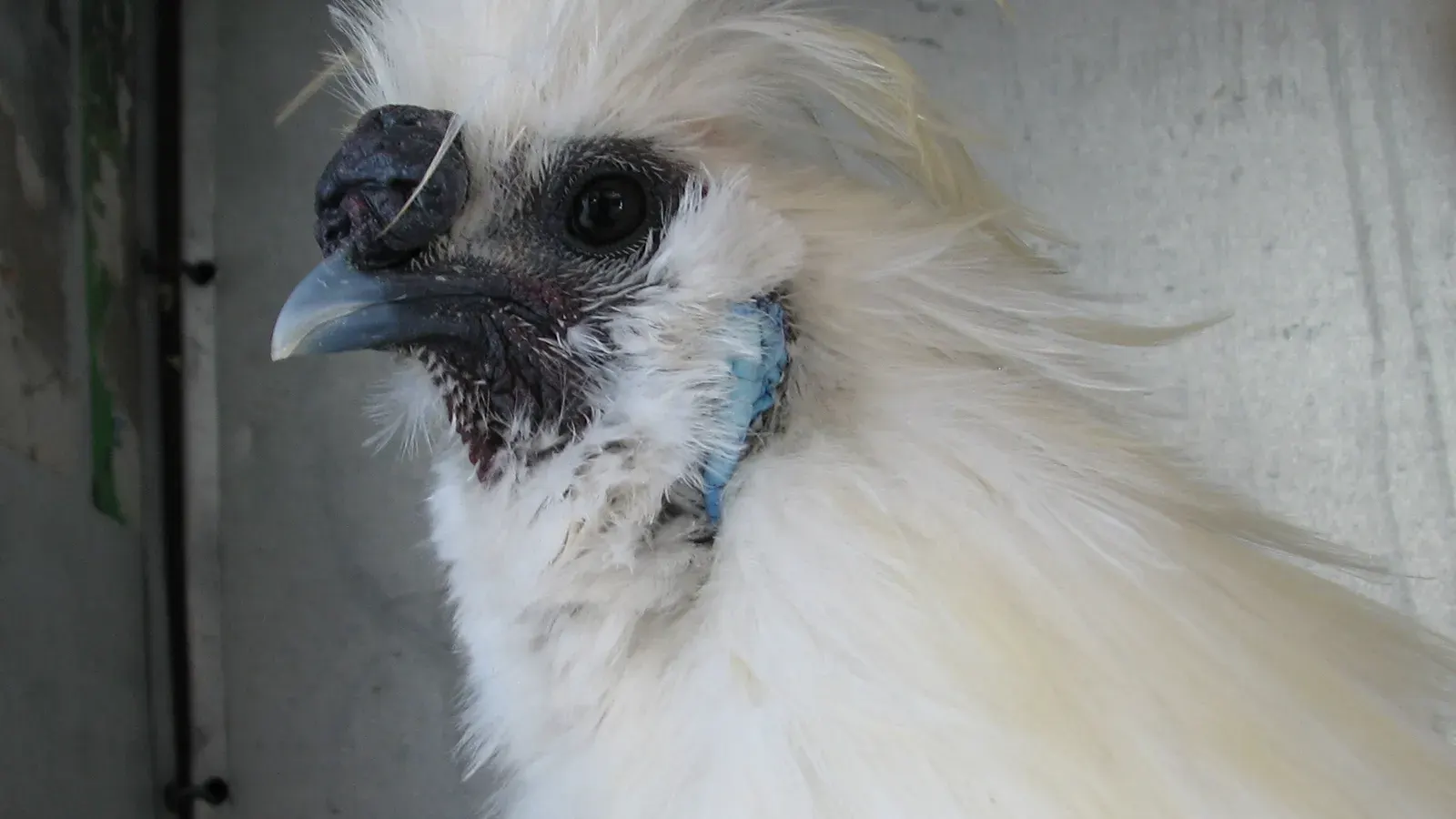
Worming a flock is one of the few jobs in chicken keeping where doing it on a schedule can be worse than not doing it at all. Every unnecessary dose of an anthelmintic pushes the local worm population a little further towards resistance, and you cannot tell by looking at a hen whether she needs one.
The step almost everyone skips is a faecal egg count. You take a small pooled sample of fresh droppings to a vet, it costs very little, and it answers two questions no product label can. Whether there is a worm burden worth treating at all, and which parasite you are actually dealing with. Roundworm, caecal worm, gapeworm and tapeworm do not all respond to the same thing.
So this guide splits into two groups that are not interchangeable. Two fenbendazole products with a proven anthelmintic active, and four herb and chili blends with no published efficacy data for clearing an established worm burden. We have not merged those into one ranking, because they do not do the same job and pretending otherwise is how birds stay sick.
Our picks at a glance
Every product below wins one specific situation. Pick the row that matches your flock, your yard and your budget rather than reading top to bottom.
-
Best Overall

Safe-Guard Liquid 125ml
Keepers whose faecal egg count has confirmed a roundworm, caecal worm or gapeworm burden that needs treating.
Check price on Amazon for Safe-Guard (Fenbendazole) Dewormer Liquid 125ml on AmazonAbout $33.99 checked Aug 8, 2026
-
Best Value Fenbendazole

Jmxu's Fenbendazole
Keepers treating one or two confirmed birds who want the proven active without paying for a large bottle.
Check price on Amazon for Chicken Dewormer Fenbendazole Oral Suspension, Chicken Antiparasitic, 5 ml on AmazonAbout $25.99 checked Aug 8, 2026
-
Best Herbal Capsule

Roosty's Capsules
Keepers with a tested, low-count flock who want a routine supplement and understand it is not a treatment.
Check price on Amazon for Roosty's Chicken De-wormer Capsules, Poultry Wormer, 120 Count on AmazonAbout $24.99 checked Aug 8, 2026
-
Best Herbal Powder

Roosty's Flock Armor
Keepers who want a low-effort feed supplement for a flock that has already tested clear of a worm burden.
Check price on Amazon for Roosty's Naturals Flock Armor Chicken De-wormer Chili Mix, 16oz on AmazonAbout $32.99 checked Aug 8, 2026
-
Best Herbal Tablet

CanineGluca Tablets
Keepers who want a per-bird herbal supplement at the lowest price and know it will not treat an infestation.
Check price on Amazon for Natural Chicken Dewormer for Laying Hens, Egg Safe, 120 Tablets, USA Made on AmazonAbout $19.99 checked Aug 8, 2026
-
Best Budget Herbal

Lemant Chili Mix 1 lb
Keepers who want the cheapest herbal feed supplement in a useful quantity and treat it strictly as a supplement.
Compare every pick side by side
Swipe the table sideways to see every column on a phone.
| Product | Award | Price band | Active Ingredient | Form | Evidence Level | Targets | Best use case | Buy link |
|---|---|---|---|---|---|---|---|---|
| Safe-Guard Liquid 125ml | Best Overall | $30 to $60 | Fenbendazole 10% | Oral liquid suspension | Proven anthelmintic, veterinary standard | Roundworm, caecal worm, gapeworm | Keepers whose faecal egg count has confirmed a roundworm, caecal worm or… | Check price for Safe-Guard (Fenbendazole) Dewormer Liquid 125ml on Amazon |
| Jmxu's Fenbendazole | Best Value Fenbendazole | Under $30 | Fenbendazole | Oral suspension | Proven anthelmintic active | Roundworm and caecal worm | Keepers treating one or two confirmed birds who want the proven active wi… | Check price for Chicken Dewormer Fenbendazole Oral Suspension, Chicken Antiparasitic, 5 ml on Amazon |
| Roosty's Capsules | Best Herbal Capsule | Under $30 | Herbal blend, no drug active | Capsules | No published efficacy data | Marketed as general worm support | Keepers with a tested, low-count flock who want a routine supplement and… | Check price for Roosty's Chicken De-wormer Capsules, Poultry Wormer, 120 Count on Amazon |
| Roosty's Flock Armor | Best Herbal Powder | $30 to $60 | Chili and herb blend | Powder mixed into feed | No published efficacy data | Marketed as general worm support | Keepers who want a low-effort feed supplement for a flock that has alread… | Check price for Roosty's Naturals Flock Armor Chicken De-wormer Chili Mix, 16oz on Amazon |
| CanineGluca Tablets | Best Herbal Tablet | Under $30 | Herbal blend, no drug active | Tablets | No published efficacy data | Marketed as general worm support | Keepers who want a per-bird herbal supplement at the lowest price and kno… | Check price for Natural Chicken Dewormer for Laying Hens, Egg Safe, 120 Tablets, USA Made on Amazon |
| Lemant Chili Mix 1 lb | Best Budget Herbal | Under $30 | Chili and herb blend | Powder mixed into feed | No published efficacy data | Marketed as general worm support | Keepers who want the cheapest herbal feed supplement in a useful quantity… | Check price for Natural Chicken Dewormer Chili Mix Powder (1 lb) | Herbal Poultry Wormer & Parasite Support for Laying Hens | Egg-Safe Chicken Dewormer for Backyard Flocks | 1 lb Bag on Amazon |
The full reviews
Each review below follows the same order: what it is, why it won its category, how it behaves in real use, and who should buy something else.
1 Best Overall
Safe-Guard (Fenbendazole) Dewormer Liquid 125ml
The only product here that is a dewormer in the veterinary sense: a 10% fenbendazole suspension with published efficacy, covering roundworm, caecal worm and gapeworm.
What we liked
- Fenbendazole 10% is a proven anthelmintic with a long veterinary record
- Covers gapeworm as well as roundworm and caecal worm, which most rivals do not
- Liquid suspension lets you dose one bird by weight rather than guessing
- 125ml is enough volume to treat a backyard flock and repeat if a retest calls for it
What we did not
- Use in laying hens is off-label in the US, so no withdrawal period can be stated here without a vet
- Does not cover tapeworm, so a count showing tapeworm sends you elsewhere
- Suspension settles, and an unshaken bottle delivers an inconsistent dose
- Costs more than the other fenbendazole option for the same drug class
About $33.99 checked Aug 8, 2026
Key specifications
- Dimensions
- 1 x 1 x 1 in (L x W x H)
- Weight
- 0.25 pounds
- Colour
- White
- Active Ingredient
- Fenbendazole 10%
- Form
- Oral liquid suspension
- Evidence Level
- Proven anthelmintic, veterinary standard
- Targets
- Roundworm, caecal worm, gapeworm
- Egg Withdrawal
- Ask a vet, off-label use in laying hens
Why the Safe-Guard Liquid 125ml wins this category
Because it is the one product on this page with evidence behind it. Fenbendazole is a benzimidazole anthelmintic used in poultry for decades, and its effect on the common roundworms is documented rather than asserted.
The target list is also the broadest here. Roundworm and caecal worm are what most poultry wormers claim. Gapeworm is the one that produces a bird stretching her neck and gasping, and it is the reason a keeper who has seen it once wants a product that covers it.
Living with the Safe-Guard Liquid 125ml
A liquid suspension is the form that gives you control. You can dose an individual hen by mouth according to her weight, which matters when one bird is sick and the rest are fine, and when a bantam and a large fowl need visibly different amounts.
The 125ml bottle is sized for a backyard flock rather than a barn, with room to repeat a course if a follow-up count says the burden is still there.
Where the Safe-Guard Liquid 125ml falls short
The egg withdrawal question is the real limitation, and it is regulatory rather than mechanical. Use in laying hens is off-label in the US, so there is no approved withdrawal period. Ask a vet before you dose, not after.
Coverage stops short of tapeworm, so a count showing tapeworm segments means a different conversation with your vet.
The practical trap is settling. A suspension separates in the bottle, and a dose poured from an unshaken bottle is either weaker or stronger than intended. Shake it hard, every time.
Research based, not hands-on
Assessed on the labelled active and concentration, the published target parasite list, and the regulatory position on fenbendazole use in laying hens in the US.
- Best for
- Keepers whose faecal egg count has confirmed a roundworm, caecal worm or gapeworm burden that needs treating.
- Skip it if
- You have not had droppings tested yet, because dosing a flock that does not need it drives resistance.
- The limitation to plan around
- The egg question is not answered on the label. Fenbendazole in laying hens is off-label in the US, so you need a vet to tell you what to do with eggs during and after treatment, and you want that answer before the first dose.
2 Best Value Fenbendazole
Chicken Dewormer Fenbendazole Oral Suspension, Chicken Antiparasitic, 5 ml
The same proven active as our top pick at a lower price, aimed squarely at roundworm and caecal worm, in a 5ml presentation sized for one bird rather than a whole flock.
What we liked
- Fenbendazole is the proven anthelmintic active, not a herbal substitute
- Cheaper than the other fenbendazole product on this page
- Oral suspension allows an accurate single-bird dose by weight
- Targets roundworm and caecal worm, the two most common backyard burdens
What we did not
- 5ml is a very small volume, so a whole-flock course may need several units
- Concentration is not stated on the listing, which makes dose calculation a vet question
- Target list omits gapeworm, which the higher-priced fenbendazole option covers
- Off-label in laying hens in the US, so egg withdrawal is unresolved without a vet
About $25.99 checked Aug 8, 2026
Key specifications
- Dimensions
- 1.77 x 1.76 x 4.52 in (L x W x H)
- Colour
- white
- Active Ingredient
- Fenbendazole
- Form
- Oral suspension
- Evidence Level
- Proven anthelmintic active
- Targets
- Roundworm and caecal worm
- Egg Withdrawal
- Ask a vet, off-label use in laying hens
Why the Jmxu's Fenbendazole wins this category
Because it puts the right drug class in reach of someone who does not want to spend thirty dollars. Fenbendazole is the active with published efficacy against poultry roundworms, and this is the cheaper of the two ways to get it on this page.
For the most common situation in a backyard flock, a confirmed roundworm or caecal worm burden, that coverage is enough. You are not paying for target species you do not have.
Living with the Jmxu's Fenbendazole
An oral suspension is the accurate way to dose. Feed and water dosing spreads a drug unevenly across a flock, because the boldest hen eats and drinks the most. Giving a measured amount straight into the beak means the bird that needs it gets it.
The small bottle suits that use exactly. If a count has flagged a problem and you are treating a couple of birds under veterinary guidance, this is the right size to buy.
Where the Jmxu's Fenbendazole falls short
Volume is the first constraint and it is a real one. At 5ml this is a single-bird presentation, and anyone dosing eight hens will be buying several, at which point the price advantage over a 125ml bottle disappears.
The missing concentration figure matters more. Fenbendazole dose is calculated from strength and bird weight, and the listing does not state the strength, so the number on the bottle in your hand is the only one to work from.
Coverage is narrower too. No gapeworm claim, and like every fenbendazole product sold for hens in the US, the egg withdrawal question needs a vet.
Research based, not hands-on
Assessed on the labelled active, the stated volume and target list, and compared against the higher-priced fenbendazole option on coverage and cost per treatment.
- Best for
- Keepers treating one or two confirmed birds who want the proven active without paying for a large bottle.
- Skip it if
- You have a larger flock to dose, because 5ml will not go far and buying multiples erodes the saving.
- The limitation to plan around
- The stated concentration is missing from the listing, and dose depends on concentration. Take the bottle to your vet and work out the dose from what is printed on it rather than from a figure you found online.
3 Best Herbal Capsule
Roosty's Chicken De-wormer Capsules, Poultry Wormer, 120 Count
A 120 count herbal capsule with no drug active, best understood as a supplement some keepers give for general condition rather than as anything that will clear a confirmed worm burden.
What we liked
- Capsules deliver a fixed amount to a named bird, unlike powder mixed into feed
- 120 count lasts a long time in a small flock
- No drug active, so the maker claims no egg withdrawal
- Sealed capsule form stores better than an opened bag of powder
What we did not
- No published efficacy data against roundworm, caecal worm or gapeworm
- Sold under the word dewormer while containing no anthelmintic, which misleads buyers
- Capsule size is fixed, so a bantam and a large fowl receive the same amount
- Relying on this while a real burden builds costs you the weeks that matter
About $24.99 checked Aug 8, 2026
Key specifications
- Dimensions
- 3.7 x 1.93 x 1.89 in (L x W x H)
- Colour
- Brown
- Active Ingredient
- Herbal blend, no drug active
- Form
- Capsules
- Evidence Level
- No published efficacy data
- Targets
- Marketed as general worm support
- Egg Withdrawal
- None claimed by the maker
Why the Roosty's Capsules win this category
Within the herbal group, dosing control is the only thing that meaningfully separates one product from another, and a capsule is the most controlled form on offer here.
A powder stirred into a feeder is eaten mostly by whichever hens push hardest. A capsule goes to a named bird, in a known amount, on a day you can write down. If you are going to give a herbal supplement at all, that is the sensible way to give it.
Living with the Roosty's Capsules
A count of 120 covers a small flock for a long stretch, and capsules keep better than an opened bag of powder that sits in a shed absorbing moisture.
Handing a capsule to a hen is a two-person job the first few times and quick after that. The upside is that you know exactly which birds have had it, which you never quite do with feed dosing.
Where the Roosty's Capsules fall short
The core problem is evidence, and it is not a small one. There is no published data showing that this or any similar herbal blend clears an established worm burden in chickens. The product is sold as a de-wormer and contains no anthelmintic.
That gap matters most at the worst moment. A keeper who sees a thin, pale hen, reaches for this and waits a fortnight has given the burden a fortnight to grow.
Fixed capsule size is the smaller issue. A bantam and a large fowl swallow the same amount, which would matter a great deal if there were an active to get wrong.
Research based, not hands-on
Assessed on the labelled ingredients, the absence of a drug active, and the absence of published efficacy data for herbal anthelmintics in poultry.
- Best for
- Keepers with a tested, low-count flock who want a routine supplement and understand it is not a treatment.
- Skip it if
- A faecal egg count has shown a worm burden, because there is no evidence this will shift it.
- The limitation to plan around
- There is no published data showing this clears worms from a chicken. If your birds have a confirmed burden, this is not the product that fixes it, and the weeks spent finding that out are weeks the worms keep feeding.
4 Best Herbal Powder
Roosty's Naturals Flock Armor Chicken De-wormer Chili Mix, 16oz
A 16oz chili and herb powder that stirs into feed with no fuss, and no published evidence that it removes worms, so treat it as a general condition supplement and nothing more.
What we liked
- Mixes straight into feed, so the whole flock gets it without handling birds
- 16oz covers a small flock for a long period
- Chickens are insensitive to capsaicin, so chili in feed does not put them off eating
- No drug active, so the maker claims no egg withdrawal
What we did not
- No published efficacy data against any poultry worm species
- Feed dosing means the boldest hens eat most and the shy ones get almost none
- Opened powder absorbs moisture in a damp shed and cakes in the bag
- The dewormer name implies a treatment the ingredients cannot deliver
About $32.99 checked Aug 8, 2026
Key specifications
- Dimensions
- 3 x 7 x 9 in (L x W x H)
- Weight
- 1 pounds
- Colour
- Orange and white
- Active Ingredient
- Chili and herb blend
- Form
- Powder mixed into feed
- Evidence Level
- No published efficacy data
- Targets
- Marketed as general worm support
- Egg Withdrawal
- None claimed by the maker
Why the Roosty's Flock Armor wins this category
Ease of use, judged strictly against the other herbal options. A powder that stirs into the feed needs no bird handling at all, which for a flock of a dozen is the difference between a two minute job and an afternoon.
Chili works as a feed additive for a reason worth knowing. Birds lack the receptor that makes capsaicin unpleasant to mammals, so a chili blend does not reduce feed intake the way it would in a mammal.
Living with the Roosty's Flock Armor
At 16oz, a bag lasts a small flock a long time, and the mixing routine folds into the normal job of filling a feeder.
Storage deserves a moment of thought. Once the bag is open, powder in a damp shed pulls in moisture and cakes, so it belongs in a sealed tub rather than a rolled-down bag on a shelf.
Where the Roosty's Flock Armor falls short
The evidence position is the same as every herbal product here and it should be stated plainly. There is no published data showing that chili and herb blends clear worms from chickens. This is sold as a de-wormer and it is a feed supplement.
Feed dosing adds a second problem on top. Intake is completely uncontrolled. The dominant birds crowd the feeder and eat the largest share, and the bird lowest in the pecking order, who is often the thinnest and the most parasitised, eats last and least.
If a faecal egg count says your flock has worms, this is not what fixes it.
Research based, not hands-on
Assessed on the labelled chili and herb blend, the powder feed-mixing format, and the absence of published efficacy data for herbal poultry wormers.
- Best for
- Keepers who want a low-effort feed supplement for a flock that has already tested clear of a worm burden.
- Skip it if
- You are trying to treat sick birds, because nothing published supports this working as an anthelmintic.
- The limitation to plan around
- Feed dosing gives you no control over who eats it. The dominant hens will take the largest share and the bird at the bottom of the pecking order, usually the one in the worst condition, will get the least.
5 Best Herbal Tablet
Natural Chicken Dewormer for Laying Hens, Egg Safe, 120 Tablets, USA Made
A 120 tablet herbal blend made in the USA and marketed as egg safe, which is true only in the narrow sense that it contains no drug at all, and no evidence that it removes worms.
What we liked
- Tablets go to a named bird in a known amount, unlike powder in a feeder
- 120 tablets is a long supply for a backyard flock
- Made in the USA, which makes ingredient sourcing easier to query
- Cheapest of the individually dosed herbal options here
What we did not
- No published efficacy data against roundworm, caecal worm or gapeworm
- The egg safe claim rests on containing no drug, not on any published testing
- One tablet size for every bird, from bantam to large fowl
- Sold as a dewormer for laying hens while offering no anthelmintic action
About $19.99 checked Aug 8, 2026
Key specifications
- Dimensions
- 1.5 x 1.5 x 2.92 in (L x W x H)
- Weight
- 0.090625 pounds
- Colour
- light beige
- Active Ingredient
- Herbal blend, no drug active
- Form
- Tablets
- Evidence Level
- No published efficacy data
- Targets
- Marketed as general worm support
- Egg Withdrawal
- None claimed by the maker
Why the CanineGluca Tablets win this category
Price, combined with a dosing form that lets you know which bird got what. Among the herbal options here, this is the cheapest way to give a measured amount to a named hen rather than tipping powder into a shared feeder.
Being made in the USA is a modest practical advantage rather than a quality claim. It means there is a domestic company to contact if you want to ask what is actually in the blend, and with herbal products that question is worth asking.
Living with the CanineGluca Tablets
A 120 tablet tub goes a long way in a backyard flock, and tablets store better than an opened bag of powder in a damp shed.
Giving a tablet takes a moment per bird and gives you a record. You know who has had it and when, which is the one thing feed dosing can never tell you.
Where the CanineGluca Tablets fall short
The marketing does most of the work here and the evidence does none. There is no published data showing this blend removes worms from chickens, and it is still sold with the word dewormer in the listing title.
The egg safe wording is the part to be careful about. It follows from the product containing no drug active. Nothing has been demonstrated about eggs by testing them, and a keeper who reads that phrase as a safety clearance has read more into it than is there.
One tablet size for every bird is the smaller drawback, but it tells you how loosely the dose is defined.
Research based, not hands-on
Assessed on the labelled herbal blend, the tablet count and format, and the basis of the egg safe marketing claim given the absence of a drug active.
- Best for
- Keepers who want a per-bird herbal supplement at the lowest price and know it will not treat an infestation.
- Skip it if
- You are relying on the egg safe wording to mean this has been tested in laying hens, because it has not.
- The limitation to plan around
- Egg safe on this label means there is no drug in the product, which is a statement about the ingredients rather than a result from testing eggs. It is not evidence of efficacy and it is not a substitute for a vet's advice on a real anthelmintic.
6 Best Budget Herbal
Natural Chicken Dewormer Chili Mix Powder (1 lb) | Herbal Poultry Wormer & Parasite Support for Laying Hens | Egg-Safe Chicken Dewormer for Backyard Flocks | 1 lb Bag
A full pound of chili and herb powder at the joint lowest price on this page, which makes it the cheapest way to add a feed supplement in bulk and still no kind of worm treatment.
What we liked
- A full 1 lb bag at the joint lowest price of any product in this guide
- Powder mixes into feed, so a whole flock is dosed without handling birds
- Chili does not deter chickens from eating, so intake is not reduced
- No drug active, so the maker claims no egg withdrawal
What we did not
- No published efficacy data against any poultry worm species
- Feed dosing means dominant hens take most of it and timid birds get little
- A 1 lb bag stays open for months and powder cakes once it takes up moisture
- The egg-safe and wormer wording together imply a treatment the ingredients cannot deliver
Key specifications
- Dimensions
- 2.6 x 7 x 8.97 in (L x W x H)
- Colour
- Brown
- Active Ingredient
- Chili and herb blend
- Form
- Powder mixed into feed
- Evidence Level
- No published efficacy data
- Targets
- Marketed as general worm support
- Egg Withdrawal
- None claimed by the maker
Why the Lemant Chili Mix 1 lb wins this category
On quantity for the money, nothing else here comes close. It is a full pound of chili and herb powder at the joint lowest price in this guide, which is roughly the same weight as the other herbal powder for meaningfully less.
If you have already decided you want a herbal feed supplement in the flock's routine, and you understand exactly what it is and is not, this is the sensible way to buy one.
Living with the Lemant Chili Mix 1 lb
Mixing powder into feed is the least effort of any dosing method here. No catching birds, no tablets, just a scoop stirred through the feeder on whatever schedule you decide.
Chili in feed does not put chickens off. Birds do not respond to capsaicin the way mammals do, so the flock eats normally and the powder goes down with the ration.
Where the Lemant Chili Mix 1 lb falls short
The evidence position is the same as every herbal product on this page, and it is the whole story. No published data shows that a chili and herb blend clears worms from a chicken. The listing pairs the words wormer and egg-safe, and a keeper reading quickly can easily come away thinking they have bought a treatment they can use on laying hens. They have not.
Feed dosing compounds it. The birds that eat most are the strong ones at the front of the feeder, not the thin bird at the back who would be the reason you bought it.
Quantity cuts both ways too. A pound in a small flock means an open bag sitting for months, and powder that has taken up moisture clumps instead of mixing.
Research based, not hands-on
Assessed on the labelled chili and herb blend, the bag weight and price per pound, and the absence of published efficacy data for herbal poultry wormers.
- Best for
- Keepers who want the cheapest herbal feed supplement in a useful quantity and treat it strictly as a supplement.
- Skip it if
- You want something that will act on a confirmed worm burden, because nothing published supports that use.
- The limitation to plan around
- A pound of powder is more than a small flock will use before the bag has been open a long time. Decant it into a sealed container on day one, because caked powder in a damp shed will not mix evenly into feed.
How we compared these dewormers
Every product on this page was assessed against one question. What evidence exists that it removes worms from a chicken?
That question splits the field in half immediately, and the split is the most useful thing in this guide. Two of these products contain fenbendazole, a benzimidazole anthelmintic with a long veterinary record and published efficacy against the common poultry roundworms. The other four contain blends of chili, garlic and other herbs, and there is no published efficacy data behind any of them for clearing a worm burden.
Beyond that, we compared what each product is claimed to target, the dosing form and how much control it gives you over the amount a bird actually receives, and what the maker says about eggs. Nothing here has been handled by us. The judgments rest on labelled actives, published dosing forms, and what veterinary and extension sources say about the drug class.
Test before you treat, every time
This is the part the product listings will never tell you, and it is worth more than any product on this page.
A faecal egg count is a lab test on a pooled sample of fresh droppings. You collect from several birds, bag it, and hand it to a vet. It is one of the cheapest tests in veterinary medicine, and it answers the two questions that decide everything else. Is there a burden large enough to be doing harm, and which worm is it?
Both answers matter. A flock with a low count does not need dosing, and dosing it anyway makes the worms on your ground a little harder to kill next time. A flock with gapeworm needs something different from a flock with tapeworm. Without the test you are buying a bottle on a guess.
Retesting a couple of weeks after treatment is the other half of this. It tells you whether the product worked, which is the only way you will ever find out that the worms on your patch have stopped responding.
What actually matters in a chicken dewormer
Whether there is a drug active at all
This is the specification that decides the outcome, and it is the one the packaging works hardest to blur. A product with fenbendazole on the label contains a licensed anthelmintic. A product with a chili and herb blend on the label contains food ingredients.
Both categories are sold in the same aisle, in similar bottles, using the same word: dewormer. Only one of them has published evidence of killing worms.
Which parasites it covers
Fenbendazole is broad but it is not universal. The two fenbendazole products here list roundworm and caecal worm, and the Safe-Guard label extends to gapeworm as well. Tapeworm is a different problem with a different answer, and no product on this page claims it.
This is another reason the faecal egg count comes first. Buying the right active for the wrong parasite achieves nothing except cost and resistance pressure.
The egg withdrawal question
Fenbendazole use in laying hens is off-label in the United States. That is a plain statement of regulatory position, not a warning about danger, and it has one practical consequence: there is no approved withdrawal period we can print here as fact.
Your vet can give you a figure for your birds and your dose. We cannot, and any site that hands you a confident number for an off-label use is guessing on your behalf. Herbal products claim no withdrawal at all, which follows from containing no drug rather than from anyone testing eggs.
Dosing form and control
A liquid suspension dosed by mouth gives you the most control over how much a specific bird receives, which matters when you are treating one sick hen rather than a flock. Capsules and tablets are simpler to hand to a bird but come in fixed sizes, so a bantam and a large fowl get the same amount. Powders mixed into feed are the easiest of all and the least controlled, because the dominant birds eat most of it.
Managing worms without reaching for a bottle
Worm eggs live in the ground, so most of the pressure on your flock comes from your ground rather than from your birds.
Wet, shaded, heavily used soil holds eggs longest. Rotating the run, moving a tractor onto fresh grass, and keeping the areas around feeders and waterers dry all reduce the load your birds pick up. Earthworms carry several poultry parasites, which is part of why birds on soft, wet, worm-rich ground pick up more than birds on dry ground.
Clearing droppings from under roosts regularly does more than any supplement in this category. New birds are the other common route, so a faecal test on incoming stock before they join the flock is worth the small cost.
None of this replaces treatment when a count says treatment is needed. It reduces how often you get there.
Final recommendation
Safe-Guard Liquid 125ml is the pick for most keepers. It is the only product here with a proven active, a broad target list that includes gapeworm, and a liquid form that lets you dose a specific bird accurately. Talk to a vet about the egg question before you use it.
If you want the same active for less money and you know from a count that you are dealing with roundworm or caecal worm, Jmxu's Fenbendazole covers that ground at a lower price, in a much smaller volume.
Among the herbal options, Roosty's Flock Armor and the Lemant Chili Mix 1 lb are the ones to look at if you want something to mix into feed for general condition. Buy them understanding what they are. They are supplements with no published efficacy data, they are not a treatment, and if a faecal egg count says your flock has worms, they are not the answer.
Questions people ask before buying
How do I know if my chickens have worms?
You mostly cannot tell by looking, which is the whole problem. A heavy burden shows up as weight loss, a pale comb, loose droppings, a drop in laying or a bird that looks hunched and dull, but by then the burden is large and those same signs fit a dozen other conditions. The only reliable answer is a faecal egg count. Collect fresh droppings from several birds, pool them, and take the sample to a vet. It is cheap, it is quick, and it tells you whether to treat and what you are treating.
Should I worm my chickens on a regular schedule?
Not blindly. Routine worming on a calendar was standard advice for years and it is being walked back, because dosing birds that do not need it selects for resistant worms and leaves you with fewer working options later. The better routine is testing on a schedule rather than treating on one. A faecal egg count once or twice a year, plus a test any time birds look off, and you treat only when the count says there is something to treat.
Do herbal dewormers actually work?
There is no published efficacy data showing that garlic, chili, pumpkin seed or the other common herbal ingredients clear an established worm burden in chickens. That is not the same as saying they do nothing at all, but it does mean nobody has demonstrated that they work, and a product with no evidence behind it should never be the thing standing between your flock and a real infestation. Treat the herbal picks on this page as supplements some keepers use for general condition, not as treatments.
How long do I have to throw eggs away after worming?
Ask your vet, and get the answer before you dose rather than after. Fenbendazole use in laying hens is off-label in the United States, which means there is no blanket withdrawal period we can quote you as fact. Your vet knows your birds, the dose you are giving and the current guidance, and they are the only correct source for this. Herbal products contain no drug active and their makers claim no withdrawal, but that claim rests on the absence of a drug rather than on testing.
What worms do backyard chickens actually get?
Large roundworm is the most common by a distance, and it is the one most likely to show up on a faecal egg count. Caecal worm is frequent and matters beyond itself, because it can carry the organism responsible for blackhead. Gapeworm lodges in the windpipe and produces the head-stretching, gasping birds that give it its name. Tapeworm and hairworm turn up less often. This is exactly why testing first matters: fenbendazole covers several of these and not all of them.
Can I worm the whole flock at once?
Usually yes, and usually you should, because worms move between birds through droppings and treating one hen in a shared run just reinfects her. Flock dosing through water or feed is the practical route for that. The catch is that group dosing gives you far less control over how much each bird gets, since a dominant hen drinks more than a shy one. If you are treating a specific sick bird, individual oral dosing is more accurate, and your vet can tell you which approach fits your situation.
Why you can trust this guide
- Written by
- Marta Voss, Editor and fact checker, Chicken Geek. Specialist areas: Editorial fact checking, Chick brooding and starter nutrition, Small-flock husbandry, Feed labels and nutrition claims.
- Fact checked by
- Sam Reddick
- Published
- August 6, 2026 · Last updated August 6, 2026 · Products and links rechecked August 6, 2026
- How we picked
- Products were separated by whether they contain a licensed anthelmintic active or a herbal blend, then compared on published active ingredient, the parasites each is claimed to target, the strength of published efficacy evidence behind that claim, dosing form and accuracy, and what the maker does and does not say about eggs.
- Evidence used
- None of the 6 products on this page were sent to us or bought for a hands-on test. Every recommendation here is research based: manufacturer specifications, listed dimensions and materials, owner feedback at volume, and comparison against equipment our team has owned. Each review states this again above the buy button so you are never guessing which kind of evidence sits behind a pick.
- Editorial standards
- No brand pays for placement, and no manufacturer sees this page before it goes live. Read our editorial policy and testing method.
- Affiliate disclosure
- Chicken Geek is reader supported. We earn a commission from qualifying purchases made through links on this page, at no extra cost to you, and no brand has paid for a placement or an award here.
About the author

Editor and fact checker, Chicken Geek
Marta edits every guide on Chicken Geek and checks that each claim can be traced back to a manufacturer specification, a published standard or a stated first-hand observation. She keeps a small backyard flock of six hens and has raised chicks from day one for eight seasons.
- Eight seasons raising chicks from day-old to point of lay
- Checks every specification in a Chicken Geek guide against the manufacturer listing
- Removes any testing claim that cannot be backed up
- Keeps a flock of six hens in a suburban backyard